Top California Cabernets
CrushBrew Editorial · Wine · 8 min read
California Cabernet Sauvignon is one of the best-selling, best-loved red wines in the country, and the field of contenders for the top is deep. The state’s warm days, cool nights, and varied terroir produce rich, full-bodied wines that range from everyday bottles to some of the most celebrated and costly reds in America. From Napa’s iconic estates to Central Coast values, here are the California Cabernets worth knowing, organized by region, plus how to choose one.
Key Takeaways
- The state’s top grape: Cabernet Sauvignon is California’s most widely planted wine grape.
- Napa leads: Stags Leap, Rutherford, Pritchard Hill, and Conn Valley anchor the marquee names.
- Big blends: Joseph Phelps Insignia and St. Supéry Élu are Cabernet-based Bordeaux blends.
- Value beyond Napa: Carmel Valley and Santa Barbara’s Happy Canyon deliver character for less.
- Ownership has shifted: Phelps (LVMH), St. Supéry (Chanel), and Heller (now Massa) all changed hands.
In This Article
What makes California a Cabernet powerhouse?
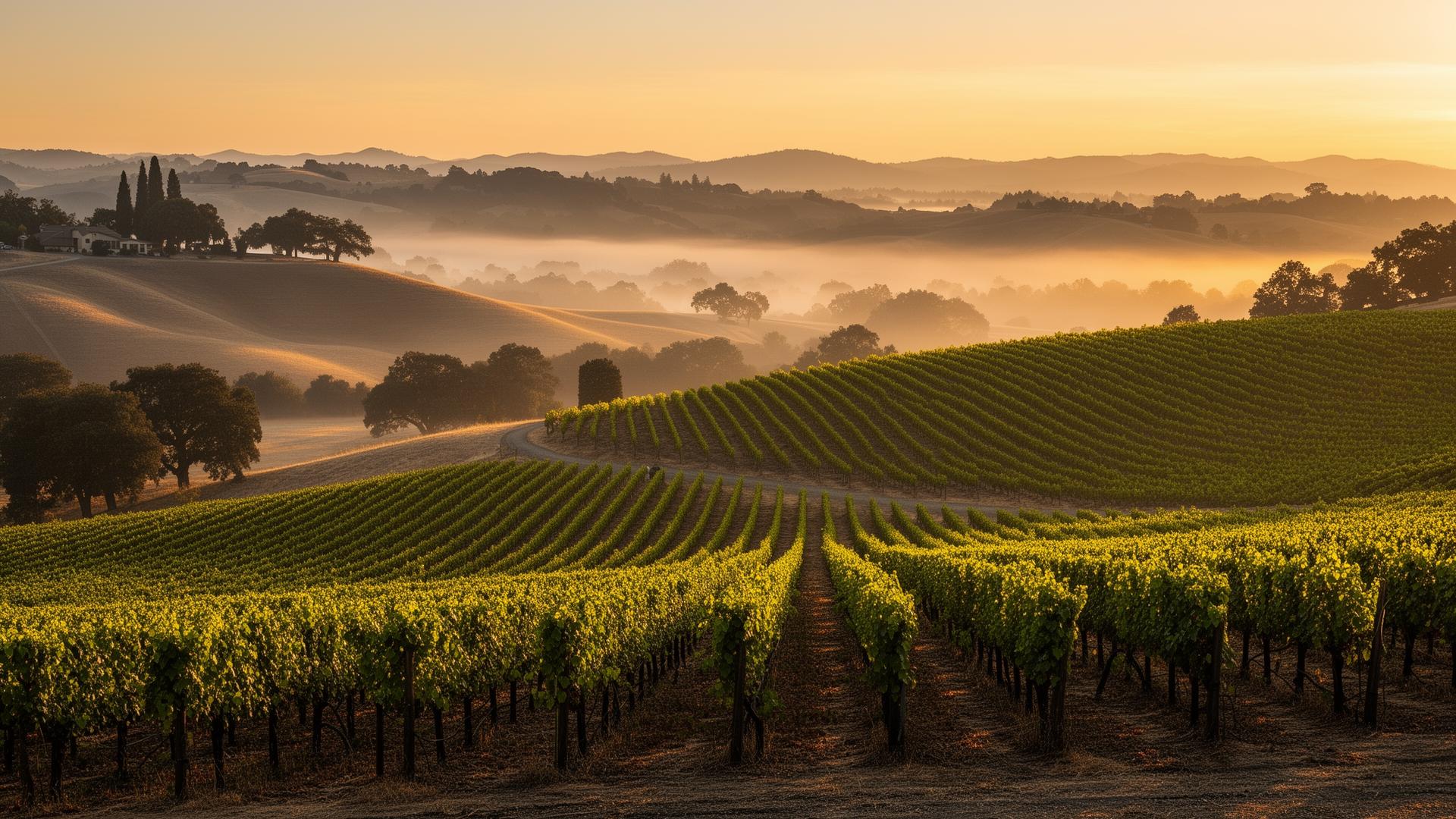
Cabernet Sauvignon has become California’s most widely planted wine grape, with well over 90,000 acres in the ground statewide. The state’s climate is the reason: long, warm growing seasons ripen the thick-skinned berries fully, while cool nights preserve acidity and structure. The result is the bold, age-worthy style that built Napa’s reputation, but Cabernet thrives well beyond it. Napa Valley remains the heartland, Sonoma’s Alexander Valley is a classic source, and Central Coast spots from Carmel Valley to Santa Barbara’s Happy Canyon turn out distinctive bottles of their own.
Definition
Cabernet Sauvignon
Cabernet Sauvignon is a thick-skinned red wine grape known for bold tannins, dark fruit flavors like cassis and blackberry, and a capacity to age for decades. It is the most planted wine grape in California and the backbone of the state’s most prestigious red wines.
Which Napa Valley Cabernets stand out?
Napa is where California Cabernet earns its global reputation, and a handful of estates show the range, from cellar-worthy single-vineyard bottlings to the iconic Bordeaux blends that put the valley on the map.
Pine Ridge Vineyards, rooted in the Stags Leap District since 1978, builds polished Cabernets layered with raspberry, oak, and vanilla; its Fortis bottling carries medium tannins and rewards time in the cellar. In a quiet corner of Conn Valley, the family-run Seavey Vineyard farms 40 estate acres and has never bought a grape. Under winemaker Jim Duane, with Philippe Melka consulting, Seavey makes its age-worthy flagship Cabernet by whole-berry fermentation in the classic Bordeaux manner, a wine that drinks well young or holds for one to two decades. Its more approachable second label, Caravina, blends Cabernet with a touch of Petit Verdot and Merlot for earlier drinking.
“Perhaps the best second label wine in Napa.”
— Robert Parker, The Wine Advocate, on Seavey’s Caravina Cabernet
For a splurge, few names carry the weight of Joseph Phelps and its flagship Insignia, the first Bordeaux-style proprietary red blend in Napa Valley, dark and complex with blackberry, plum, and mocha. Insignia now commands collector pricing, and the estate itself changed hands in 2022 when LVMH’s Moët Hennessy acquired it, ending five decades of family ownership. On Pritchard Hill, Chappellet has been one of California’s preeminent Cabernet producers since 1967; under longtime winemaker Phillip Corallo-Titus, its mountain-grown Signature Cabernet shows dense black fruit and oak. And in Rutherford, St. Supéry, a 100% estate, Napa Green-certified winery owned by Chanel since 2015, pours Élu, its red Bordeaux blend, all black cherry, plum, and cedar.
Definition
Bordeaux blend (Meritage)
A Bordeaux blend combines Cabernet Sauvignon with grapes such as Merlot, Cabernet Franc, Malbec, and Petit Verdot, in the tradition of France’s Bordeaux region. In the United States these blends are often called Meritage. Joseph Phelps Insignia and St. Supéry Élu are two celebrated Napa examples.
Which California Cabernets shine beyond Napa?
Step outside Napa and the value, and the variety, opens up. In Carmel Valley’s Cachagua hills, the organic estate long known as Heller Estate was a pioneer of organic grape growing in the appellation, dry-farming its vines between 1,200 and 1,500 feet. The property was sold in 2018 to Bill and Laurie Massa and now operates as Massa Estate Organic Vineyards, which continues the organic farming and turns out approachable Cabernet and Bordeaux reds with plum, blackberry, dark chocolate, and coffee notes, often at friendly prices.
Santa Barbara County’s warm, inland Happy Canyon is the region’s true Cabernet country. Firestone Vineyard, founded in 1972 as Santa Barbara County’s first estate winery and now guided by vintner Bill Foley, farms hundreds of certified-sustainable acres in the Santa Ynez Valley and makes a dry, fruit-forward Cabernet edged with clean oak and blackberry. Nearby, Grassini Family Vineyards works 100% estate fruit in the Happy Canyon of Santa Barbara AVA. Founded by Larry and Sharon Grassini and now led by their daughter Katie Grassini with her husband Dean McKillen, the small producer is known for a beautifully balanced Cabernet, all black currant and black raspberry with vanilla and mocha, poured at its downtown Santa Barbara tasting room.
Definition
Happy Canyon of Santa Barbara AVA
Happy Canyon of Santa Barbara is a warm, inland American Viticultural Area at the eastern end of the Santa Ynez Valley. Sheltered from cool ocean breezes, it ripens Bordeaux varieties fully, making it Santa Barbara County’s standout source for Cabernet Sauvignon and Sauvignon Blanc.
| Producer | Region | Cabernet to Know |
|---|---|---|
| Pine Ridge | Stags Leap District, Napa | Fortis Cabernet |
| Seavey | Conn Valley, Napa | Estate Cabernet; Caravina (second label) |
| Joseph Phelps | St. Helena, Napa | Insignia (Bordeaux blend) |
| Chappellet | Pritchard Hill, Napa | Signature Cabernet Sauvignon |
| St. Supéry | Rutherford, Napa | Élu (Bordeaux blend) |
| Massa Estate (formerly Heller) | Carmel Valley | Organic estate Cabernet |
| Firestone | Santa Ynez Valley | Estate Cabernet Sauvignon |
| Grassini | Happy Canyon of Santa Barbara | Estate Cabernet Sauvignon |
Vintages, prices, and availability shift year to year; check each winery for current releases.
How do you choose a California Cabernet?
With this much range, a few simple questions narrow the field fast, whether you are buying a special-occasion bottle or stocking the rack for weeknights.
Frequently Asked Questions
🍷 California Cabernet at a Glance
A quick reference to the state’s signature red.
| Detail | Information |
|---|---|
| Status | California’s most widely planted wine grape. |
| Top regions | Napa Valley, Sonoma’s Alexander Valley, Carmel Valley, Happy Canyon. |
| Splurge picks | Joseph Phelps Insignia, Seavey Estate Cabernet, St. Supéry Élu. |
| Value picks | Massa Estate, Firestone, Seavey Caravina. |
| Typical flavors | Blackberry, cassis, plum, cedar, and mocha, with firm tannins. |
| Bordeaux blends | Cabernet combined with Merlot, Cabernet Franc, Malbec, Petit Verdot. |
| Cellaring | Top estate bottlings can age well for a decade or more. |