San Diego Wine, Beer, Spirits and Dining Guide 2026
San Diego is one of the most underestimated craft beverage destinations in America. Most visitors know it for the beaches, the weather, and the zoo. Serious drinkers know it as the city where California wine began in 1769, the metropolitan area with more distinct microclimates than any other county in the United States, a craft beer city with over 150 breweries that helped define the West Coast IPA style, and the home of Southern California’s only three-star Michelin restaurant. This guide covers all of it: the wine regions, the breweries worth visiting, the distilleries producing genuinely interesting spirits, and the fine dining that has made San Diego a destination for serious food travelers. America’s Finest City has earned the title on more than scenery alone.
In This Guide
The Wine Regions: Three AVAs and What Makes Them Distinctive
San Diego County is California’s original wine region, and that is not a marketing claim. According to the San Diego County Vintners Association (2026), the first vineyards in California were planted here in 1769 at Mission San Diego de Alcala by Spanish missionaries who needed wine for religious ceremonies. Two and a half centuries later, the county has 172 active and planned wineries, two recognized American Viticultural Areas, and more distinct microclimates than any other single county in the United States. Vineyards grow at elevations from sea level to 4,200 feet, producing conditions for over 57 different grape varieties from Bordeaux reds to Rhone whites to Italian varietals that thrive in the Mediterranean-influenced climate.
What makes San Diego wine country genuinely interesting is not that it competes with Napa or Sonoma. It does not try to. San Diego’s wineries are almost entirely small, boutique, and family-owned. They produce wines that reflect specific microclimates rather than regional branding. The granite soils, the Pacific marine influence, and the significant diurnal temperature variation between warm days and cool nights create conditions for wines that preserve natural acidity while achieving full fruit ripeness.
What Grows Well and Why
The Mediterranean climate that makes San Diego pleasant for humans makes it excellent for viticulture. Rhone varietals, including Grenache, Syrah, Mourvedre, and Viognier, thrive in the warm, dry conditions. Italian varietals including Sangiovese, Barbera, and Tempranillo perform exceptionally well in the granite-rich soils of Highland Valley. Bordeaux varieties grow at higher elevations where cooler temperatures extend the growing season. The diversity of microclimates within a single county is what allows San Diego to grow 57 varieties successfully. No other county in America can make that claim.
Wineries Worth Visiting in San Diego County
San Diego wine country rewards visitors who are willing to drive 30 to 45 minutes from downtown. The wineries listed here represent the range of the county’s wine scene, from its oldest continuously operating estate to newer boutique producers earning national attention. Most are open weekends; reservations are recommended for tasting experiences.
For those who want wine without the drive, San Diego has developed a genuinely interesting urban winery scene. Carruth Cellars operates tasting rooms in Little Italy and Solana Beach, producing wines in an urban setting just blocks from the beach. Pali Wine in Little Italy offers Pinot Noir and Chardonnay flights alongside Rhone and Bordeaux blends from its Tower 15 label, with rooftop deck views over the neighborhood. These are not substitutes for the estate wineries, but they bring San Diego wine within reach of any neighborhood in the city.
Craft Beer: 150 Breweries and the West Coast IPA Story
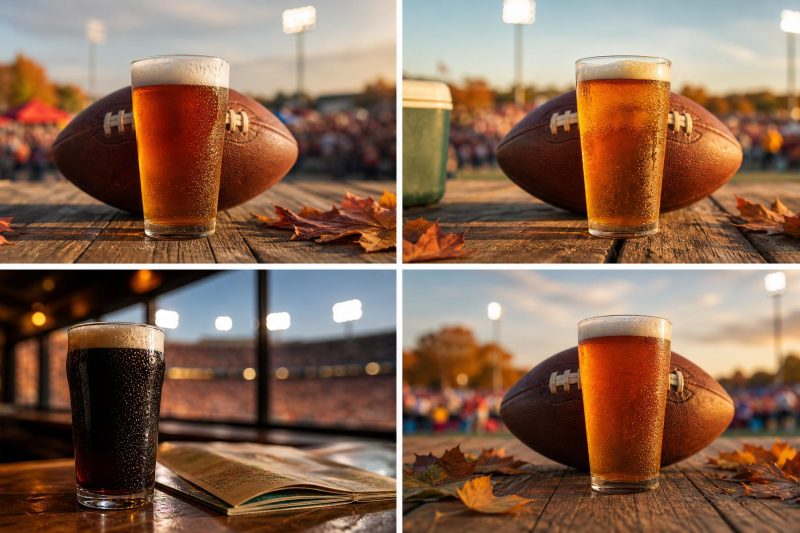
San Diego’s claim to being the craft beer capital of America is not hyperbole. According to San Diego Beer News (January 2026), the county has over 150 craft breweries, a density that has shaped the national craft beer conversation for two decades. San Diego brewers helped pioneer the West Coast IPA style: aggressively hopped, dry, bitter, and resinous. When the craft beer world turned toward hazy New England IPAs in the late 2010s, San Diego largely held its line. The West Coast IPA is what San Diego does, and nobody does it better.
The brewery geography matters here. North Park is the easiest neighborhood for walkable brewery hopping, with multiple taprooms within a few blocks of each other combined with excellent food options that make the neighborhood one of San Diego’s most complete evening destinations. Miramar is where serious beer drinkers make pilgrimages. It is an industrial corridor north of downtown with a concentration of production breweries that draws visitors from across the country specifically to drink beer.
Craft Spirits: San Diego Distilleries Worth Knowing
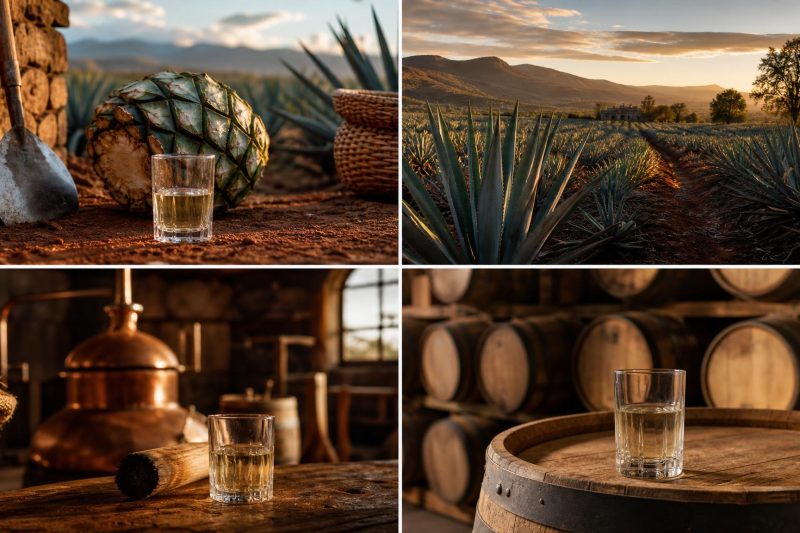
San Diego’s craft spirits scene is younger than its wine and beer culture but has developed genuine character. The San Diego Distillers Guild brings together producers whose range covers whiskey, gin, rum, vodka, and tequila. The common thread is a commitment to small-batch production and local ingredients that reflects the broader San Diego craft philosophy.
Fine Dining: From Three Michelin Stars to the Perfect Fish Taco
San Diego’s food identity is built on a paradox: the city produces some of the most refined fine dining in California alongside one of the great street food cultures in the American West. The fish taco is a San Diego original with nearly 100 years of tradition. The same city that perfected the fish taco also holds the only three-star Michelin restaurant in Southern California. Both are authentic expressions of what San Diego is.
The proximity to Tijuana, 20 minutes south, gives San Diego a genuine Mexican culinary influence that distinguishes it from every other major California food city. The produce, the seafood, and the culinary traditions that cross the border in both directions have shaped San Diego’s food culture in ways that no amount of restaurant trends can replicate. San Diego’s strength, as food critic Troy Johnson noted in San Diego Magazine’s 2026 best restaurants guide, is diversity rather than a single defining cuisine. The best food is neighborhood-based, not concentrated downtown.
Planning Your San Diego Craft Beverage Visit
San Diego rewards visitors who plan by neighborhood and region rather than trying to cover the whole city in a single itinerary. The wine country, the brewery corridors, and the fine dining neighborhoods each deserve their own time.
A Three-Day San Diego Craft Beverage Itinerary
Day 1: Wine Country Drive east to the Highland Valley Road corridor in Escondido for the most concentrated wine trail in San Diego County. Highland Valley Vineyards opens weekends only. Cordiano Winery has a full restaurant on site for lunch. Alpenglow Winery for an afternoon pour before returning to the city via the Ramona Valley.
Day 2: Beer and Spirits Morning at Miramar for AleSmith and Societe. Afternoon in North Park for Modern Times and a walk through one of San Diego’s most food-forward neighborhoods. Evening at Storyhouse Spirits in East Village for cocktails and the speakeasy atmosphere. Dinner in Little Italy.
Day 3: Fine Dining and La Jolla Lunch at George’s at the Cove with an ocean view. Walk La Jolla Village. Afternoon at Eppig Brewing’s Waterfront Biergarten in Point Loma for a harbor beer before the drive back. Dinner requires planning in advance. Addison delivers the full three-Michelin-star experience if the reservation and the budget align. A.R. Valentien at Torrey Pines is the alternative, with the golf course view and the California coastal cuisine that San Diego Magazine readers have named the city’s best.
What to Know Before You Go
Wine country is east of the city: Most San Diego wineries are 30 to 45 minutes east of downtown. A car is required. Many estate wineries open weekends only and strongly recommend reservations for tasting experiences.
The beer is everywhere: With 150 plus breweries, you are never far from a quality pint in San Diego. Ride-share is practical for North Park and Miramar brewery hopping.
Book Addison well in advance: The three-Michelin-star tasting menu at the Fairmont Grand Del Mar fills weeks ahead. The reservation requires commitment and delivers on it.
Temecula is close: The Temecula wine region in Riverside County is approximately one hour north of downtown San Diego and is entirely accessible as a day trip if the visitor wants a larger-scale wine country experience alongside San Diego’s boutique scene.
Frequently Asked Questions
Is San Diego actually a good wine destination?
Yes, and genuinely so. San Diego County has 172 active and planned wineries, two recognized AVAs, more distinct microclimates than any other county in the United States, and a wine history that predates Napa Valley by over a century. The wineries are almost entirely small, family-owned, and boutique in character, offering a very different experience from the commercialized wine tourism of Napa or even Temecula. The wines reflect specific microclimates rather than regional marketing, and the quality from the top producers is consistently impressive.
How many craft breweries does San Diego have?
Over 150 craft breweries operate across San Diego County as of 2026, making it one of the highest brewery densities of any metropolitan area in the United States. The county helped pioneer the West Coast IPA style that defined American craft beer for two decades. The Miramar neighborhood is the most concentrated production brewery corridor; North Park is the most walkable taproom neighborhood for visitors.
What is the Ramona Valley AVA?
The Ramona Valley is a federally recognized American Viticultural Area covering 89,000 acres about 45 minutes east of downtown San Diego. It has the highest concentration of tasting rooms in San Diego County, with over 30 active family-owned wineries. The region is defined by granite soils, significant diurnal temperature variation between warm days and cool nights, and elevations ranging from valley floor to over 2,400 feet at the highest estate vineyards. Over 57 grape varieties are grown here successfully.
Is Addison worth the price?
Addison at the Fairmont Grand Del Mar is Southern California’s only three-star Michelin restaurant and one of 13 restaurants in the United States to hold that distinction. Chef William Bradley’s 10-course seasonal tasting menu at $395 per person is an investment in one of the most complete fine dining experiences on the West Coast. For visitors who prioritize a single extraordinary meal over several good ones, Addison is the answer. Book weeks in advance as reservations are genuinely difficult to obtain.
Where can I go wine tasting in San Diego without driving far from downtown?
San Diego has a growing urban winery scene that brings local wine within reach of any neighborhood. Carruth Cellars has tasting rooms in Little Italy and Solana Beach. Pali Wine Company in Little Italy offers flights with rooftop deck views. San Pasqual Winery operates tasting rooms in La Mesa and Seaport Village. These urban operations are excellent starting points and often pour wines from the same Ramona Valley and Highland Valley producers who sell only at their estate tasting rooms.
What food is San Diego known for beyond fish tacos?
The California burrito, carne asada with french fries and cheese in a flour tortilla, is a San Diego original found almost nowhere else. Ocean-to-table seafood is a genuine San Diego strength, with the proximity to the Pacific and the Baja California fishing grounds producing same-day catches available at markets and restaurants throughout the city. The culinary influence of Tijuana, 20 minutes south, gives San Diego an authentic Mexican food culture that distinguishes it from every other major California city. San Diego also has multiple Michelin-recognized restaurants including the only three-star Michelin restaurant in Southern California.
Sources
- San Diego County Vintners Association, sandiegowineries.org, 2026
- San Diego Wine Country by Region, Sip San Diego Wine, May 2026
- 30 San Diego Vineyards You Must Visit, Harvest Wine Shop, May 2025
- Best Craft Breweries to Visit in San Diego, San Diego Beer News, January 2026
- Best Breweries in San Diego, Short Brews, August 2026
- Best San Diego Distilleries, San Diego Explorer, May 2026
- Best Restaurants in San Diego 2026, San Diego Magazine, 2026
- Fine Dining in San Diego, sandiego.org, 2026
- Best Restaurants 2026 Readers Choice, Ranch and Coast Magazine, June 2026