60 Years in Bourbon: Jim Rutledge and the Man Who Brought Four Roses Home
In 1966, a young Jim Rutledge turned down a job at Philip Morris and joined Seagram’s Calvert Distillery in Louisville. Sixty years later, he is still in bourbon. That is a career that spans the near-death of a legend, its rescue, and its return to one of the most respected names in American whiskey.
The legend is Four Roses. By the time Rutledge arrived at the Lawrenceburg, Kentucky distillery in 1994, it had been selling almost exclusively in Japan and other foreign markets for 35 years. The US market got a blended product that barely resembled what Four Roses had once been. Distillate quality had slipped badly enough that a shutdown was being discussed. Rutledge spent the better part of a year getting it back on track, earned Seagram’s top quality award for the turnaround, and then spent the next decade making the case to new owner Kirin that Four Roses Bourbon belonged back in its home country.
Kirin agreed. In 2002, the blended product was dropped and Four Roses Bourbon returned to American shelves. Rutledge spent the following decade promoting it alongside bourbon legends Jimmy Russell and Booker Noe, building the brand from a regional curiosity into a national name. Four Roses Single Barrel, introduced in 1999, became a benchmark. By the time Rutledge retired in 2015, Four Roses had gone from near-closure to one of bourbon’s most decorated distilleries.
He has not stopped. Post-retirement projects include work at Castle and Key Distillery, Cream of Kentucky, Echoes of Oak, and Jacob Spears, a collaboration with master blender Ashley Barnes. On the 60-year mark, he put it simply: “I’ll go as long as I can, as long as I have something to do.”
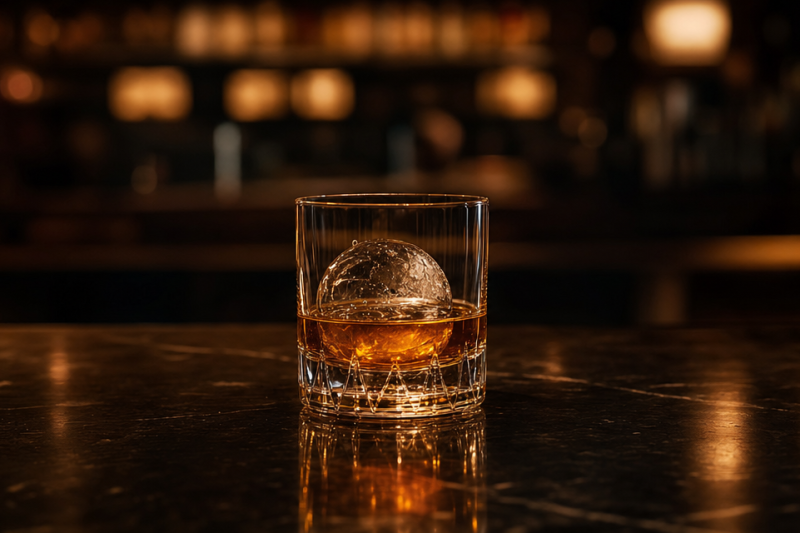
The gift bottle this year is Four Roses Anthology, which r/bourbon users have named a 2026 standout. For a flight that tells the story, start with Four Roses Yellow Label to taste the accessible foundation, move to Small Batch Select for the fuller, spicier middle chapter, and finish with Single Barrel to see what the distillery can do at its most expressive. Serve at room temperature, no ice on the first pour. Let it open for a few minutes. Rutledge spent sixty years getting it right. Give it a moment.