Montepulciano Grape: What It Is, Where It Grows, and Why It’s Misunderstood
CrushBrew Editorial · Italian Wine Series · 9 min read
The Montepulciano grape is a late-ripening, deeply pigmented red variety native to Abruzzo and Marche in Central Italy. It is not the same as — and has no connection to — the Tuscan town of Montepulciano or the Sangiovese-based wine Vino Nobile di Montepulciano. The grape produces inky, full-bodied reds with velvety tannins, moderate acidity, and flavors of wild blackberry, dried herbs, and black pepper. Its signature appellation is Montepulciano d’Abruzzo DOC.
The Name Confusion: The Montepulciano grape variety has zero genetic or geographic connection to the Tuscan town of Montepulciano or the Sangiovese-based wine Vino Nobile di Montepulciano — a distinction confirmed by DNA profiling and ampelographic research.
Core Regions & Appellation: This Vitis vinifera variety is grown primarily in Abruzzo and Marche. Its flagship appellation, Montepulciano d’Abruzzo DOC/DOCG, requires a minimum of 85–90% of the variety in the blend.
Viticultural Profile: Late-budding and late-ripening with thick, phenol-rich skins — giving the wine an inky-purple hue, strong botrytis resistance, and high natural pigmentation.
Flavor & Structure: Approachable velvety tannins, moderate acidity, and a rich profile of wild blackberries, oregano, and black pepper. Ages into leather, tobacco, and dried rose.
DNA-Confirmed Identity: Modern genetic profiling confirms Montepulciano is distinct from the visually similar Pugnitello grape, establishing it as a unique indigenous Italian cultivar.
- What is the Montepulciano grape?
- Is Montepulciano the same as Vino Nobile di Montepulciano?
- Where does the Montepulciano grape grow?
- What makes Montepulciano distinctive in the vineyard?
- What does Montepulciano wine taste like?
- What wine styles does Montepulciano produce?
- What food pairs well with Montepulciano?
- Frequently Asked Questions
- Technical Grape Profile
What Is the Montepulciano Grape?
Montepulciano is an indigenous red wine grape variety (Vitis vinifera) native to Central Italy, primarily cultivated in the Abruzzo and Marche regions. It is one of Italy’s most planted red grape varieties by acreage and produces deeply colored, full-bodied red wines known for approachable tannins and rich dark fruit character.
An indigenous Italian red wine grape (Vitis vinifera) classified under the Montepulciano d’Abruzzo DOC and DOCG appellations. Historically recorded in Abruzzo from the 18th century. Known by synonyms Cordisco, Morellone, and Uva Abruzzese in older vineyard records. Genetically distinct from Sangiovese, Pugnitello, and all Tuscan varieties.
The grape’s primary historical synonyms — Cordisco in Marche, Morellone and Uva Abruzzese in Abruzzo — appear in 18th- and 19th-century agricultural records and are still occasionally referenced in older vineyard documentation. These names reflect regional naming traditions rather than separate varieties; DNA analysis confirms they are all the same cultivar.
Montepulciano is classified as a high-yielding variety, which means quality-focused producers must manage canopy and crop load deliberately. Left to its own devices, the vine produces abundantly — and abundance in viticulture typically dilutes concentration. The great bottles from Abruzzo come from growers who treat the vine’s generosity as something to be disciplined, not celebrated wholesale.
Is Montepulciano the Same as Vino Nobile di Montepulciano?
No. This is one of wine’s most persistent and consequential naming accidents. The Montepulciano grape and the wine Vino Nobile di Montepulciano share a name and absolutely nothing else. They come from different regions, different grapes, and have entirely different flavor profiles.
| Attribute | Montepulciano (Grape) | Vino Nobile di Montepulciano |
|---|---|---|
| What it is | An indigenous grape variety | A DOCG-classified wine from Tuscany |
| Primary grape used | Montepulciano (the variety itself) | Sangiovese (called Prugnolo Gentile locally) |
| Region | Abruzzo and Marche, Central Italy | Val d’Orcia, Tuscany |
| Genetic relationship | None — confirmed by DNA profiling | None — confirmed by DNA profiling |
| Named after | Origin uncertain; not named for the town | The town of Montepulciano, Tuscany |
| Flagship appellation | Montepulciano d’Abruzzo DOC/DOCG | Vino Nobile di Montepulciano DOCG |
| Tannin style | Soft, velvety, approachable | Firm, structured, grippy |
This is one of the most frequently confused pairings in Italian wine — and it matters. The two wines come from different grapes, different regions, and have entirely different flavor profiles. Treating them as related is not a minor error; it is a fundamental misidentification that leads to wrong buying decisions and misplaced expectations.
Where Does the Montepulciano Grape Grow?
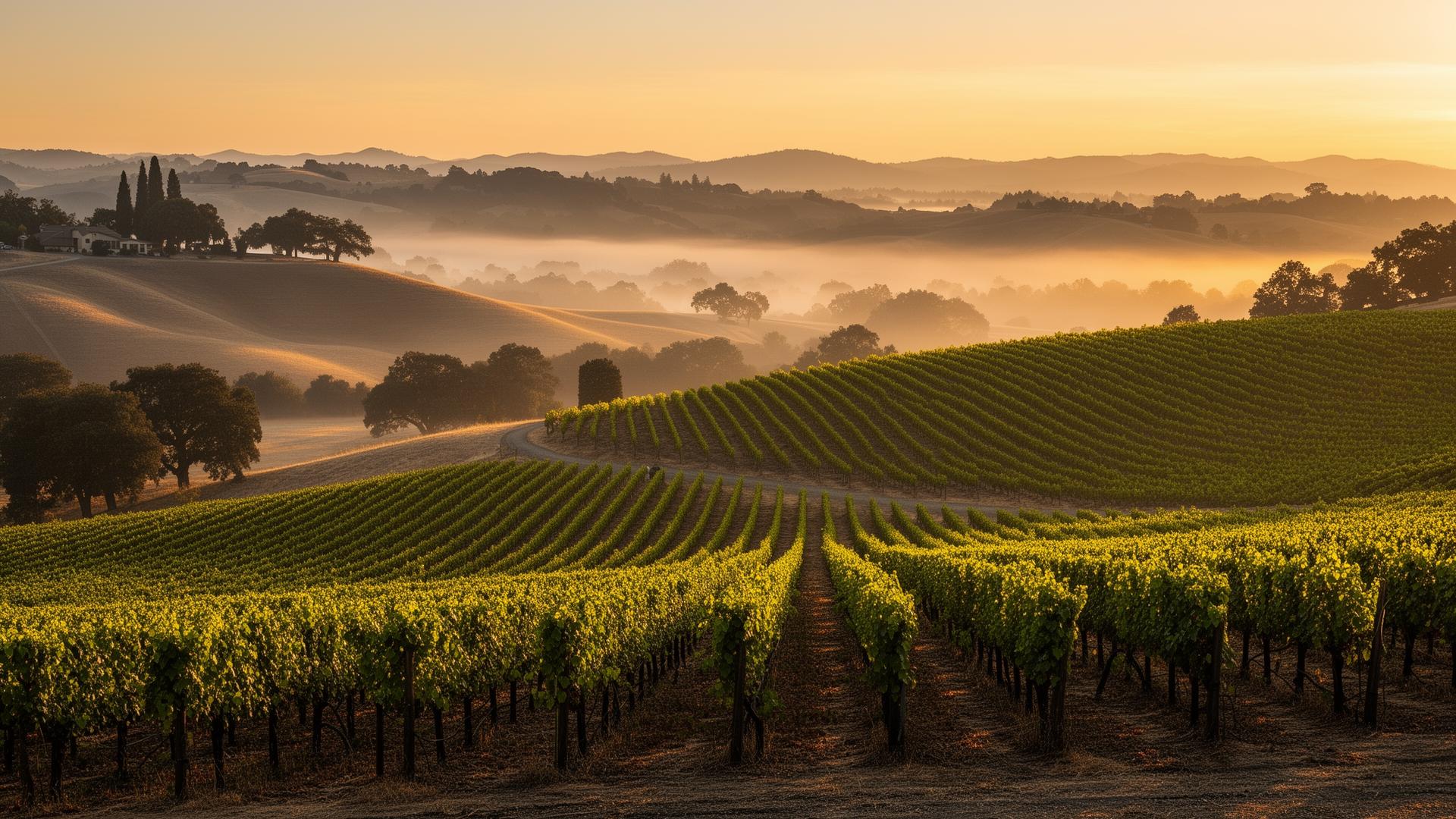
Montepulciano is grown throughout Central and Southern Italy, but its spiritual and commercial home is Abruzzo — a rugged, topographically dramatic region on the Adriatic coast east of Rome. The Apennine mountain range runs through the region’s spine, and the best vineyards occupy hillside sites where elevation moderates temperatures and the Adriatic wind provides a natural cooling effect during the long growing season.
Established in 1968, this appellation requires a minimum of 85% Montepulciano in the blend. A separate DOCG tier — Colline Teramane Montepulciano d’Abruzzo DOCG — applies stricter yield limits and aging requirements for wines from the Teramo hills. The appellation also covers the Cerasuolo d’Abruzzo rosé designation, made from the same grape with limited skin contact.
Beyond Abruzzo, Montepulciano is planted across Marche (where it is sometimes called Cordisco), Molise, Lazio, and parts of Puglia and Campania. These southern plantings typically produce fuller, more heat-driven expressions with riper fruit and higher alcohol. The Abruzzo and Marche versions, moderated by altitude and Adriatic breezes, tend to show more defined acidity and fresh herbal character alongside the characteristic dark fruit.
The grape thrives in hot, dry maritime climates with well-draining soils. Clay-limestone hillside sites in the Teramo and Chieti provinces of Abruzzo are considered the benchmark growing areas for premium expression of the variety.
What Makes Montepulciano Distinctive in the Vineyard?
Montepulciano has a set of viticultural characteristics that make it both a practical and a fascinating grape to grow. Its most commercially valuable trait is its late-budding phenology — the vine breaks dormancy later in spring than many other varieties, which means it sidesteps the frost events that can devastate early-budding grapes like Chardonnay or Merlot in unpredictable spring weather.
By the time Montepulciano shows its first green growth, most frost risk has passed. In the hill country of Abruzzo, where late April can still deliver a killing freeze, this calendar advantage is not trivial. It is one of the reasons growers in the region have cultivated this grape for centuries despite its challenging high-yield tendencies.
The grape’s thick, phenol-rich skins are its other defining viticultural characteristic. Those skins accumulate high concentrations of anthocyanins — the pigment compounds responsible for color — which translate directly into the wine’s signature inky-purple hue. The same thick skins also provide strong natural resistance to botrytis rot, a fungal disease that can devastate thin-skinned varieties in humid late-season conditions.
| Trait | Characteristic | Practical Benefit |
|---|---|---|
| Budbreak timing | Late-budding | Natural spring frost avoidance |
| Harvest timing | Late-ripening (October) | Extended hang time for phenolic maturity |
| Skin thickness | Thick, phenol-rich | Deep color; botrytis resistance |
| Yield | High-yielding | Requires crop management for concentration |
| Genetic identity | Distinct from Pugnitello | DNA-confirmed unique cultivar |
The DNA-confirmed distinction from the Pugnitello grape is worth noting. For years, the two varieties were visually difficult to separate in the vineyard — similar cluster shape, similar berry morphology. Modern genetic profiling resolved the ambiguity definitively: Montepulciano and Pugnitello are separate cultivars with independent lineages, despite their phenotypic resemblance.
What Does Montepulciano Wine Taste Like?
Montepulciano wines are defined by a distinctive combination of deep color, approachable tannins, and a flavor profile that leans into wild dark fruit, dried herbs, and earthy spice rather than the fresh berry character of Sangiovese or the cassis precision of Cabernet Sauvignon.
Primary (fruit-forward, young wines): Wild blackberry, black cherry, black plum, dried blueberry, fresh black pepper.
Secondary (mid-palate character): Dried oregano, wild herbs, violet, dark chocolate, iron, tobacco leaf.
Tertiary (aged expression, 8+ years): Leather, dried rose petals, cedar, balsamic, earth, tar.
The tannin structure is where Montepulciano genuinely distinguishes itself from Italy’s more famous reds. Where Barolo and Brunello present firm, sometimes austere tannic grip that demands time in bottle, Montepulciano delivers a plush, velvety texture even in its youth. The tannins are present — this is not a thin wine — but they are rounded and approachable without extended aging. Moderate natural acidity means the wine does not feel angular or tart on the finish.
At the serious end of the quality spectrum, from low-yield hillside sites and producers like Emidio Pepe or Valentini, Montepulciano gains complexity that rivals Italy’s more celebrated reds. Pepe’s wines — bottled without filtration or fining — evolve over decades, the initial density of blackberry and pepper gradually giving way to layered savory depth.
What Wine Styles Does Montepulciano Produce?
The Montepulciano grape produces two distinct wine styles under its primary appellations: a full red wine and a distinctively structured rosé. Both are classified within the Montepulciano d’Abruzzo DOC framework, though the rosé carries its own independent designation.
| Style | Designation | Character |
|---|---|---|
| Full Red | Montepulciano d’Abruzzo DOC / Colline Teramane DOCG | Inky-purple, full body, velvety tannins, dark fruit, dried herb, black pepper. Age-worthy at premium tier. |
| Rosé | Cerasuolo d’Abruzzo DOC | Vivid ruby-cherry color, structured and food-driven; more body than Provence rosé; cherry and wild strawberry character. |
| Riserva Red | Montepulciano d’Abruzzo Riserva DOC | Extended aging (minimum 2 years, including barrel time). Greater complexity, tertiary character, finer tannin integration. |
Cerasuolo d’Abruzzo deserves particular attention in a rosé market crowded with thin, pale imitations. The name derives from cerasa — Italian for cherry — and the wine earns it. Because Montepulciano’s thick, highly pigmented skins are involved even during limited maceration, Cerasuolo takes on a vivid ruby-pink color that has no equivalent in Provence or the Rhône. The resulting wine has the structure and weight to handle food in a way that most rosés cannot.
What Food Pairs Well with Montepulciano?
Montepulciano’s moderate acidity and soft tannin architecture make it one of the most versatile food wines in the Italian portfolio. The tannins are present enough to cut through fat and rich protein, but rounded enough not to clash with tomato-based acidity or lighter preparations. This is a wine built for the table.
In Abruzzo, the canonical pairing is arrosticini — small, charcoal-grilled lamb skewers — eaten standing at a grill with a glass of Montepulciano d’Abruzzo. The fat of the lamb coats the wine’s tannins, the char amplifies the pepper finish, and the herbs echo the dried oregano character in the mid-palate. It is one of Italy’s great regional food-and-wine combinations, almost entirely unknown outside the region.
Frequently Asked Questions About Montepulciano
🍷 Montepulciano: Technical Grape Profile
Varietal reference data · Technical profile for wine professionals and enthusiasts
| Varietal Attribute | Technical Characteristics | Winemaking & Flavor Impact |
|---|---|---|
| Country of Origin | Central Italy (Abruzzo, Marche, Molise) | Thrives in hot, dry maritime climates with Adriatic influence |
| Grape Species | Vitis vinifera | Indigenous Italian red wine grape; not related to the Tuscan town of Montepulciano |
| Key Disambiguation | No genetic or geographic link to Vino Nobile di Montepulciano (Sangiovese) | Separate variety, separate region — the most commonly confused pairing in Italian wine |
| Viticultural Traits | Late-budding, late-ripening, thick-skinned, high-yielding | Natural spring frost resistance; strong botrytis resistance; requires yield management |
| Acid & Tannin Profile | Moderate acidity; soft to approachable tannins | Plush, food-friendly mouthfeel without aggressive grip or tartness |
| Color Profile | Deep inky purple; high anthocyanin and phenol concentration | One of Italy’s most pigmented reds; stains the glass visibly |
| Primary Flavor Notes | Wild blackberry, black pepper, dried oregano, violet | Ages toward leather, dried rose, tobacco, and balsamic |
| Primary Synonyms | Cordisco, Morellone, Uva Abruzzese | Historical regional names; DNA-confirmed to be the same variety |
| Genetic Identity | DNA-confirmed distinct from Pugnitello | Visual similarity in vineyard; genetic profiling disproves synonymy |
| Signature Appellation | Montepulciano d’Abruzzo DOC / Colline Teramane DOCG | Minimum 85–90% of the variety required in blend |
| Rosé Appellation | Cerasuolo d’Abruzzo DOC | Limited skin contact; vivid ruby-pink; structured and food-friendly |
| Serving Temperature | Red: 58–62°F / Rosé: 48–52°F | Cooler temps define structure; warmer temps open the fruit |
| Notable Producers | Emidio Pepe, Valentini, Cataldi Madonna, Masciarelli | Range from no-filtration artisan to modern extraction styles |