People who have visited both places will sometimes say it: the Placer Wine Trail feels like Napa Valley fifty years ago. The tasting rooms are unhurried. The winemakers pour their own wine. You don’t need a reservation six weeks in advance. The person explaining the difference between the 2021 Barbera and the 2022 Petite Sirah is the same person who grew the grapes, fermented the wine, and bottled it. Placer County, tucked into the Sierra Foothills between Sacramento and Lake Tahoe along the I-80 corridor, has been making wine since the 1800s — the Gold Rush brought European winemakers who recognized the terroir and stayed. What they built quietly, and what the current generation of family winemakers has continued, is one of California’s most rewarding and least crowded wine experiences. You just have to know it’s there.
◆The Placer Wine Trail is 30 minutes from Sacramento on I-80 — The trail runs east from Sacramento through Lincoln, Rocklin, Roseville, Loomis, Auburn, Newcastle, and Granite Bay. Every stop is easily accessible from Interstate 80 or Highway 49, making it a genuine day trip from Sacramento — or a weekend destination from the Bay Area.
◆Over 20 wineries, all family-owned — no corporate operations — Every winery on the Placer Wine Trail is independently owned and operated. Most are small-production — 500 to 2,000 cases annually — which means you’re tasting wines that don’t exist in retail stores outside the region. When a vintage sells out at a Placer winery, it’s gone.
◆The Sierra Foothills AVA produces Old World-style wines — The Mediterranean micro-climate, volcanic and granite soils, and dramatic day-night temperature swings of the Sierra Foothills AVA produce wines of genuine character. The region leans toward Italian and Rhône varieties — Barbera, Grenache, Syrah, Petite Sirah, Viognier — that thrive in the warm days and cool nights. Expect food-friendly wines with natural acidity, not the big, extracted fruit-bomb style associated with mainstream California.
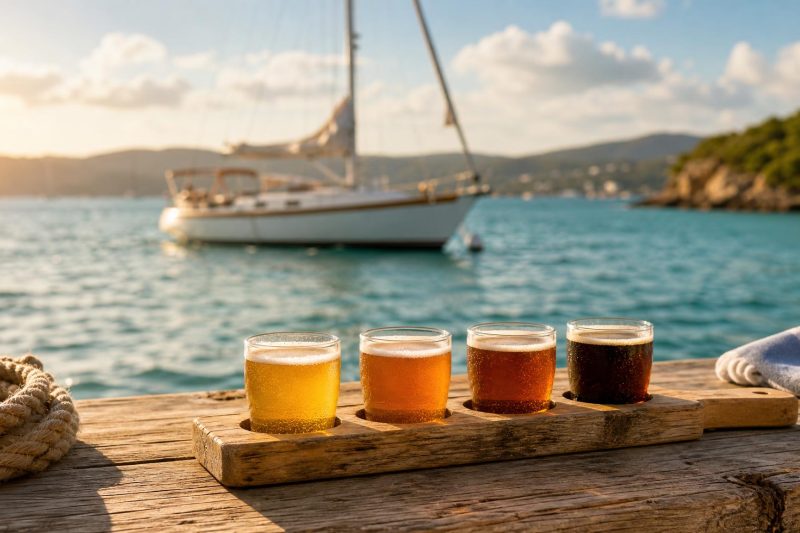
◆The Sips & Suds Summer Passport covers 40+ wineries and breweries — Each summer, the Placer County Vintners Association runs a multi-month passport program covering over 40 wineries and breweries on the trail, with complimentary tastings, discounts, and prizes for passport holders. It’s one of the best-value wine and beer discovery programs in California.
◆Winemaking here goes back to the Gold Rush — European immigrants arrived in Placer County during the 1849 Gold Rush, recognized the terroir, and planted vineyards. The Sierra Foothills winemaking heritage predates Napa Valley’s international fame by decades. The current generation of family winemakers is continuing a tradition that started over 170 years ago on this land.
In This Guide
Why Placer County — The Case for Going Off the Beaten Path
The argument for visiting Placer wine country instead of — or alongside — Napa is straightforward: authenticity, accessibility, and value. In Napa, the tasting fee for a single winery can run $75 or more per person, reservations are often required weeks in advance, and the odds of meeting the actual winemaker are slim. In Placer, most tasting fees run $10 to $20 per person, many wineries are walk-in, and the person behind the bar is frequently the same person who grew the grapes.
The winemaking culture here reflects the region’s character. Michael Duarte, whose Popie Wines brand honors his father’s farming legacy — “Popie” pronounced like “poppy,” a fourth-generation grower’s tribute — now pours at Lecavalier Cellars in Newcastle, where he meets guests and discusses the wines he makes with the same directness he brought to the family farming operation. Zane and Pamela Dobson at PaZa Estate Winery near Auburn traded a Porsche for a tractor in 2005, built their tasting shed overlooking the Sierra Nevada and Sutter Buttes, and now produce award-winning Petite Sirah, Côtes du Placer GSM, and an estate-grown Viognier from land they farm themselves. These are not hobby wineries. They’re serious operations run by people with a deep personal investment in the land and the wine — which is exactly what makes tasting here feel different.
The Terroir — Sierra Foothills AVA Explained
Placer County wineries sit within the Sierra Foothills AVA, a vast appellation that runs along the western slopes of the Sierra Nevada from Yuba County in the north to Mariposa County in the south. Within this larger appellation, Placer County occupies the northern end — at elevations ranging from 400 to 2,000 feet, with soils that mix decomposed granite, volcanic rock, clay, and loam depending on the specific site.
The climate is the defining feature: warm summer days driven by Sacramento Valley heat, dramatically cooler nights as air drops from the Sierra Nevada. This diurnal variation — sometimes 40 to 50 degrees Fahrenheit between daytime high and nighttime low — is the same condition that produces great Pinot Noir in Burgundy and elegant Riesling in Alsace. In Placer’s case, it allows grape varieties to ripen fully while retaining the natural acidity that makes food-friendly wine. The result is a wine style that leans Old World in structure — more European in restraint and balance than in California-ripe extraction — while remaining unmistakably Californian in fruit expression.
Italian varieties thrive here: Barbera’s naturally high acidity finds ideal conditions in the Sierra Foothills, producing wines with vivid red fruit and genuine food versatility. Petite Sirah develops dark intensity without losing freshness. Grenache, Syrah, and Mourvèdre — the Rhône varieties — perform well at elevation. And white varieties including Viognier, Albariño, and Vermentino are finding a home in Placer’s warmer pockets, producing aromatic whites that show genuine regional character.
Wineries Worth Stopping At
Placer Wine Trail — Wineries Worth Knowing
PaZa Estate Winery — Auburn/Newcastle
Zane and Pamela Dobson’s estate winery is the Placer trail’s most fully realized destination — a rustically elegant tasting shed positioned near the vineyard with views of the Sutter Buttes and Coastal Mountains, picnic areas, and food events that attract wine club members from across Northern California. Their 2021 Côtes du Placer GSM (Silver Medal, SF Chronicle Wine Competition 2025) and the estate-grown Petite Sirah are the wines to know. The Primitivo Barbera Rosé typically sells out before anyone outside the wine club knows it existed.
Lecavalier Cellars — Newcastle
One of the trail’s newer and most ambitious operations, Lecavalier is currently pouring from a spectacular Newcastle tasting room with views over the valley while a new 175-acre estate in Penryn — with a purpose-built winery and tasting room — is scheduled for completion. Winemaker Michael Duarte (formerly of Popie Wines) brings fourth-generation farming knowledge and a deep connection to Placer’s agricultural heritage. The sustainable practices here include taking back empty bottles for reuse — a rare commitment in California wine.
Twin Rocks Estate Winery — Sierra Foothills
Twin Rocks earned a 2025 Best of Class designation from the SF Chronicle Wine Competition for its sparkling Grenache Rosé — an unexpected accolade for a Sierra Foothills estate that speaks to how seriously the winery takes quality. The Lone Rock Red Blend (dark plums, raspberry, vanilla, dark chocolate) is the crowd pleaser; the estate Grenache is the flagship worth knowing.
Casque Wines — Placer County
A multi-award-winning winery specializing in Rhône-style varietals and blends — Grenache, Syrah, Mourvèdre, Viognier — that demonstrate how well the Southern Rhône variety palette translates to Sierra Foothills elevation and diurnal variation. Worth seeking out specifically if you’re a fan of the Southern Rhône wines we cover in our Châteauneuf-du-Pape guide.
Wise Villa Winery & Restaurant — Lincoln
The largest and most awarded winery in Placer County — Golden State Winery of the Year 2015 — and the only one on the trail with a full-service Tuscan-style bistro, culinary team, and professional waitstaff. The formal restaurant setting is a departure from the trail’s typical casual tasting shed atmosphere, but the wine program is serious and the food-and-wine pairing experience is the trail’s most complete dining destination.
Planning Your Visit — Trail Layout and Logistics
The Placer Wine Trail runs along an east-west corridor following I-80 and Highway 49 through six communities: Lincoln, Rocklin, Roseville, Loomis, Newcastle, Auburn, and Granite Bay. The geographic spread means a single day can’t cover everything — plan a focused route through two or three communities rather than attempting the full trail in one visit.
Practical Planning Notes
When to go — Most wineries are open weekends year-round. The spring Sip Into Spring event (typically March-April) and the summer Sips & Suds Passport (May through August) are the highest-energy periods. Harvest season (September-October) brings special events at most estates.
Reservations — Most Placer wineries are walk-in friendly, but some smaller operations require appointments, particularly for groups. Call ahead for anything other than a solo or couple’s visit. The trail website (placerwine.com) lists current hours and reservation requirements for each winery.
Getting there — From Sacramento: 30 minutes east on I-80. From the Bay Area: 90 minutes east on I-80 through Sacramento. From Lake Tahoe: 60 minutes west on I-80. The I-80/Highway 49 intersection in Auburn is the geographic center of the trail and a logical base for planning your route.
Pacing — Three wineries in a day is a comfortable pace for genuine tasting and conversation. Four is possible if you’re efficient. More than four and you’ll stop tasting and start drinking — which is fine, but a different experience. Bring a picnic; many wineries have outdoor seating and welcome food from outside.
The Sips & Suds Summer Passport
Each summer from approximately mid-May through August, the Placer County Vintners Association runs the Sips & Suds Summer Passport — one of the best-value wine and beer discovery programs in California. The passport provides complimentary tastings and discounts at over 40 participating wineries and breweries across the trail, with a stamp-collecting system that unlocks prizes as you visit more stops.
The passport is available for purchase at participating wineries and through the Placer Wine Trail website. Proceeds support the Placer County Vintners Association, which advocates for land conservation and economic development in the region. For anyone planning a multi-day trip or a series of weekend visits to the trail during summer, the passport is genuinely worth buying — the value in complimentary tastings alone typically exceeds the purchase price within two or three stops.
The inclusion of breweries alongside wineries reflects the trail’s broader craft beverage identity. Several of the stops on the Sips & Suds Passport are craft breweries and cideries — including Nitty’s Cider at Fowler Ranch, which produces hard cider from local fruit alongside the wine trail’s vineyard operations. The combined trail makes Placer County one of the more complete craft beverage destinations in Northern California.
Frequently Asked Questions About the Placer Wine Trail
Placer Wine Trail: Common Questions Answered
How far is the Placer Wine Trail from Sacramento?
The first wineries on the trail are approximately 20 to 30 minutes east of Sacramento on Interstate 80. The trail extends east through Auburn and Newcastle, with the furthest stops about 45 minutes from downtown Sacramento. It’s a genuine day trip from Sacramento, and an easy weekend destination from the Bay Area (approximately 90 minutes via I-80).
What wine varieties does Placer County specialize in?
The Sierra Foothills AVA excels with Italian and Rhône varieties. Barbera, Petite Sirah, Grenache, Syrah, Mourvèdre, and Sangiovese perform particularly well in the warm days and cool nights of the foothills. White varieties including Viognier, Albariño, and Vermentino are increasingly planted. The region leans toward Old World-style winemaking — food-friendly, naturally acidic, European in structure rather than in the big, extracted California style.
Do Placer Wine Trail wineries require reservations?
Most are walk-in friendly on weekends, which is one of the trail’s most appealing characteristics compared to Napa. Some smaller operations require appointments, particularly for groups of six or more. Check placerwine.com for current hours and reservation requirements before visiting. During major trail events like Sip Into Spring and the harvest season, some wineries fill up — calling ahead during these periods is recommended.
What is the Sips & Suds Summer Passport?
An annual summer passport program (typically mid-May through August) offering complimentary tastings, discounts, and prizes at over 40 participating wineries and breweries across the Placer Wine Trail. Available for purchase at participating locations and online. Proceeds support the Placer County Vintners Association. For anyone planning multiple visits to the trail during summer, the passport typically pays for itself within two or three stops.
How is the Placer Wine Trail different from Napa Valley?
Three primary differences: scale, access, and character. Placer wineries are small-production family operations; tasting fees run $10–$20 versus $50–$100+ in Napa; reservations are generally not required; and you’re likely to meet the actual winemaker rather than a tasting room employee. The wines lean toward Italian and Rhône varieties rather than Cabernet Sauvignon and Chardonnay. The experience is unhurried, personal, and discovery-oriented rather than polished and brand-driven.
🍷 Placer Wine Trail — Quick Reference
Everything you need before you go
| Category |
Details |
| Location |
Sierra Foothills, Placer County, Northern California — Auburn, Lincoln, Loomis, Newcastle, Rocklin, Roseville, Granite Bay |
| From Sacramento |
20–45 minutes east on I-80 |
| From Bay Area |
~90 minutes via I-80 through Sacramento |
| Number of wineries |
20+ wineries; 40+ locations including breweries on Sips & Suds Passport |
| AVA |
Sierra Foothills AVA (northern section) |
| Key varieties |
Barbera, Petite Sirah, Grenache, Syrah, Mourvèdre, Viognier, Albariño |
| Tasting fees |
$10–$20 per person at most estates |
| Reservations |
Walk-in friendly at most; call ahead for groups or during events |
| Best seasons |
Spring (Sip Into Spring event), Summer (Sips & Suds Passport), Harvest (September–October) |
| Trail website |
placerwine.com |