Back to Home Wine

What Is Wine Oxidation? And How to Stop It

December 2, 2016 · Updated July 2, 2026 · 11 min read

CrushBrew Editorial  ·  Wine  ·  6 min read

Open a bottle of white wine, leave it on the counter overnight, and taste it in the morning. What you experience — that flat, stale, faintly vinegary character where the bright fruit used to be — is oxidation. It’s the same chemical process that turns a cut apple brown, and it’s the single most common reason a bottle of wine disappoints. Understanding what oxidation actually is, when it’s the enemy of a good wine, and when winemakers use it deliberately to build complexity, makes you a better wine drinker — and a better host.

Key Takeaways

◆Oxidation is not always a flaw — but uncontrolled oxidation always is — Small, slow, controlled oxygen exposure during barrel aging softens tannins, integrates oak flavors, and builds complexity in great wine. Rapid, uncontrolled exposure destroys the same wine in hours.
◆White wine oxidizes much faster than red — The tannins and pigments in red wine provide natural protection against oxidation. Delicate whites can show damage within hours of air exposure; a robust Cabernet might tolerate brief handling without noticeable harm.
◆Once oxidized, wine cannot be repaired — Oxidative damage is a permanent chemical change. The fresh fruit character that’s been lost cannot be restored. Prevention — during production, during service, and at home — is the only strategy that works.
◆Vessel choice is one of winemaking’s most consequential decisions — Stainless steel tanks seal wine away from oxygen entirely, preserving freshness. Oak barrels allow slow, controlled micro-oxygenation that develops structure. Concrete sits in between. The decision shapes a wine’s fundamental character.
◆At home, the most effective things you can do are simple — Refrigerate opened wine, use a wine preservation system, and transfer leftover wine to a smaller bottle to reduce headspace. These three steps extend a opened bottle’s life from hours to days.

In This Article

  1. What is wine oxidation?
  2. When is oxidation beneficial and when is it damaging?
  3. How does vessel choice control oxygen exposure?
  4. How do winemakers protect wine during production?
  5. How do you prevent oxidation at home?
  6. Frequently asked questions
  7. Oxidation sensitivity by wine style

What Is Wine Oxidation?

Wine is a chemically complex liquid, and many of its most appealing characteristics — the fresh berry aromas in a young red, the citrus brightness in a dry white, the vivid purple-ruby color of a new vintage — are also its most fragile. When oxygen contacts wine, it triggers a cascade of chemical reactions that progressively break down these compounds, converting vibrant fruit character into stale, flat, or vinegar-like flavors, and turning the wine’s color from vivid to brown.

Definition

Wine Oxidation

A chemical process in which oxygen reacts with the aromatic compounds, color pigments, and flavor molecules in wine, progressively degrading its sensory qualities. In white wine, oxidation causes a shift from pale gold or straw to deep amber or brown, and replaces fresh fruit and floral aromas with flat, nutty, or sherry-like character. In red wine, it dulls the color from vivid purple-red to brick at the edges, and replaces vibrant fruit with dried, stewed, or oxidized notes. The rate of oxidation depends on wine style (whites oxidize faster than reds), temperature (warmer conditions accelerate the process), and the amount of oxygen present. Small amounts of oxygen introduced slowly over long periods — as in barrel aging — can benefit wine development; large amounts introduced rapidly cause irreversible damage.

The practical analogy that explains oxidation most clearly is a cut apple: the moment you slice it, the exposed flesh begins turning brown. You can slow this by refrigerating it or brushing it with lemon juice, but you can’t stop it entirely, and once the browning has set in, it can’t be reversed. Wine behaves the same way — the chemistry is directly comparable, and the prevention strategies follow the same logic.

When Is Oxidation Beneficial and When Is It Damaging?

The distinction that separates careful winemaking from careless handling is the difference between controlled, slow, intentional oxygen exposure and uncontrolled, rapid, accidental exposure. Oxygen is not inherently wine’s enemy — it is, at the right rate and at the right time, one of a winemaker’s most powerful tools.

During barrel aging, oak barrels allow a tiny amount of oxygen to pass through the wood’s pores each month — roughly one to two milliliters per liter — in a process called micro-oxygenation. This controlled exposure does two important things: it softens and integrates harsh young tannins, making red wines rounder and more approachable over time, and it allows the gradual development of complex secondary aromas that can’t emerge in a completely oxygen-free environment. This is why great Bordeaux and Barossa Shiraz spend 18 months or more in barrel. The oxygen isn’t damaging the wine; it’s developing it.

The problem arises when oxygen exposure is rapid, large in volume, and uncontrolled — during careless wine transfers that splash and aerate the wine, when a bottle is left open on the counter for a day, or when a barrel isn’t topped up and a significant air pocket forms above the wine surface. At those exposure rates, the same chemical reactions that develop complexity in a barrel over 18 months happen in a matter of hours, producing the flat, stale, vinegary character that signals an oxidized wine.

Certain wine styles are also deliberately made in an oxidative style — the nutty, amber-colored Sherry produced in Jerez, Spain, is the most famous example, where a layer of yeast (called flor) and deliberate oxygen exposure produce a wine that would be considered severely flawed in any other context but is, in its own category, a marvel of controlled chemistry. Vin jaune from the Jura in France and certain styles of Madeira follow a similar oxidative philosophy.

How Does Vessel Choice Control Oxygen Exposure?

One of the most consequential decisions a winemaker makes is choosing what to age wine in after fermentation. That decision is fundamentally a decision about how much oxygen the wine will encounter during its development, and it shapes the wine’s character as profoundly as the grape variety or the vineyard.

The Main Aging Vessels and What They Do to Wine
Oak barrels — The classic choice for structured, age-worthy wines. Oak is naturally porous, allowing slow, controlled micro-oxygenation while also imparting flavors (vanilla, toast, spice) from the wood itself. New barrels impart more flavor and more oxygen than used barrels. Barrel aging requires regular “topping up” — adding wine to replace what’s evaporated, keeping the barrel full so no air pocket forms above the wine surface.
Stainless steel tanks — The go-to vessel for wines that should taste fresh, bright, and fruit-forward. Steel is completely impermeable to oxygen; wine inside a sealed steel tank will not oxidize, which means it also won’t develop complexity through slow oxidative aging. Stainless steel is why modern Sauvignon Blanc and Pinot Grigio tastes as vivid and citrus-bright as it does. Winemakers using steel tanks often use inert gas (nitrogen or argon) to blanket the wine’s surface and displace any oxygen in the headspace above the liquid.
Concrete tanks — Having a renaissance in modern winemaking, concrete offers a middle path: it allows extremely slow gas exchange (much slower than oak, more than steel) without imparting any wood flavor. Many natural winemakers favor concrete for the texture and subtle minerality it can contribute without the oxidative profile of barrel aging.
Large-format oak vessels (foudres, botti) — Traditional in many European wine regions, large-format oak vessels hold thousands of liters and have a much smaller surface-area-to-volume ratio than small barrels. This means the wine inside sees very little oak flavor influence and very slow oxygen exchange — a neutral aging environment that develops wine gently over many years without aggressive tannin extraction or heavy oaky character. Used extensively in traditional regions like Barolo (botti) and Alsace (foudres).

How Do Winemakers Protect Wine During Production?

The modern winery is a carefully managed oxygen-reduction environment at almost every stage of production. Wine is most vulnerable during transfers — pumping from fermentation tank to barrel, from barrel to blending tank, from blending tank to bottling line — when the movement of liquid through hoses and into vessels inevitably introduces air contact. Professional winemakers use closed transfer systems, inert gas blankets, and gentle positive-displacement pumps rather than centrifugal pumps that can churn and aerate the wine during movement.

At the bottling stage, oxygen management becomes critical again. Counter-pressure bottling systems pre-fill the empty bottle with inert gas before the wine enters, displacing the air that would otherwise be sealed into the bottle alongside the wine. The headspace above the wine in the bottle — the small gap between the liquid and the closure — can be flushed with nitrogen or argon before sealing. Every milligram of oxygen that enters a bottle at this stage is a milligram that will slowly react with the wine during the years it spends in your cellar before you open it.

Sulfur dioxide (SO₂) is the winemaker’s most widely used protective tool — an ancient technique, practiced since Roman times, of burning sulfur in barrels to sterilize them and create a protective gas that inhibits oxidation. Modern winemakers add small measured quantities of SO₂ at various points in production as an antioxidant. The ongoing debate in natural winemaking circles about “no added sulfites” is partly a debate about whether to use this particular protective technology — producers who go without must compensate through scrupulous temperature control, gentle handling, and careful oxygen management at every other stage.

How Do You Prevent Oxidation at Home?

The same principles that govern professional winemaking apply to your open bottle of Pinot Gris at home: minimize headspace, control temperature, and limit oxygen contact. The tools are smaller and simpler, but the logic is identical.

Home Wine Preservation — What Actually Works
Refrigerate everything, red wine included — Cold temperatures slow oxidative reactions significantly. An opened bottle of red wine stored at room temperature will deteriorate noticeably overnight; the same bottle in the fridge will still be enjoyable the next day or even two days later. Take it out 20–30 minutes before serving to bring it back to drinking temperature.
Reduce headspace — The more air in the bottle above the wine, the faster it oxidizes. If you’ve drunk half a bottle, pour the remainder into a smaller bottle (a half-bottle or even a 250mL jar with a tight lid) so the liquid fills nearly to the top. This is the single most effective low-tech strategy available.
Inert gas preservation sprays — Cans of argon or a nitrogen/argon blend (Private Preserve is the most widely available brand) work exactly as they do in a professional winery: you spray a burst of inert gas into the bottle before recorking, displacing the oxygen above the wine with a heavier gas that won’t react with it. Effective for three to five days on most wines, longer on robust reds. Inexpensive and worth keeping in a well-stocked wine drawer.
Vacuum preservation pumps — Rubber stoppers with a hand pump that pulls air out of the bottle before sealing it. Less effective than inert gas (removing air doesn’t remove the oxygen that’s already dissolved in the wine) but better than nothing, and they extend life by several days on most wines. Work best combined with refrigeration.

One honest note on opened wine timelines: even with the best home preservation tools, an opened bottle has a finite life. Light whites and rosés: one to two days with good preservation, up to three in ideal conditions. Fuller whites and light reds: two to three days. Robust reds: three to five days. Fortified wines like Port or Sherry can last weeks — their higher alcohol content provides natural protection. If you find yourself regularly losing wine to oxidation, it may be worth investing in a Coravin system, which allows you to pour from a bottle without removing the cork, or simply developing the habit of choosing appropriately sized bottles for the occasion.

Frequently Asked Questions About Wine Oxidation

Wine Oxidation: Common Questions Answered

Can oxidized wine be fixed?

No. Oxidative damage is a permanent chemical change — the aromatic compounds and color pigments that have been broken down cannot be restored. A wine that smells flat, stale, or vinegary from oxidation will not improve with time or decanting. Use oxidized wine for cooking, where its faults don’t matter, and make a note about storage or serving speed for next time. Prevention is the only strategy that works.

How quickly does wine oxidize after opening?

It depends on the wine. Delicate white wines — crisp Sauvignon Blanc, light Pinot Grigio — can show noticeable quality loss within six to twelve hours if left open at room temperature. Fuller-bodied whites and light reds typically hold for one to two days. Robust reds with high tannin and good structure may be fine for two to three days and sometimes improve slightly on day two as the wine opens up. Fortified wines last weeks because their elevated alcohol slows the process significantly.

Is barrel aging a form of controlled oxidation?

Yes — micro-oxygenation through the barrel staves is precisely what makes barrel aging so valuable for structured, age-worthy wines. A standard 225-liter French oak barrel allows approximately one to two milliliters of oxygen per liter of wine per month to pass through the wood. Over 18 months of barrel aging, this slow, controlled exposure softens harsh young tannins, integrates oak-derived flavors, and allows the development of complex secondary aromas that simply can’t emerge in a completely oxygen-free environment.

Are screw caps better than cork for preventing oxidation?

For short-to-medium term storage and wines meant to be drunk young, screw caps provide a more consistent oxygen barrier than natural cork, which can vary in its permeability from bottle to bottle. This is one reason screw caps have become standard for high-quality New Zealand Sauvignon Blanc and many Australian whites — consistency matters more than tradition for wines you’re drinking within a few years. For wines meant to age for a decade or more, the debate is more complex: some evidence suggests that very slow oxygen transmission through a quality cork may contribute positively to long-term bottle aging, though winemakers disagree on this point.

What temperature should I store wine to minimize oxidation?

The standard recommendation for long-term storage is 55°F (13°C), where the rate of all chemical reactions in wine — including oxidative reactions — slows significantly without halting the gradual, beneficial aging process. Consistency matters as much as the specific temperature: bottles that experience significant temperature swings (warm days, cool nights) age less gracefully than bottles held at a consistent 58°F. For opened bottles you’re drinking over the next few days, the refrigerator (around 38°F) is ideal for slowing oxidation regardless of wine color.

What do sulfites have to do with oxidation?

Sulfur dioxide (SO₂), commonly listed on wine labels as “contains sulfites,” is wine’s primary antioxidant preservative. It works by reacting preferentially with oxygen before oxygen can react with the wine’s own flavor compounds — essentially sacrificing itself to protect the wine. Winemakers have used sulfur as a preservative since antiquity; modern winemaking uses precisely calibrated small additions at various production stages. The natural wine movement’s push toward “no added sulfites” is partly a philosophical statement about intervention in winemaking, but it also means those producers must compensate through scrupulous hygiene, careful temperature management, and very gentle oxygen handling throughout production to achieve similar stability.

🍷 Oxidation Sensitivity by Wine Style

How long different wine styles last once opened — and why

Wine Style Oxidation Sensitivity Opened Bottle Life Why
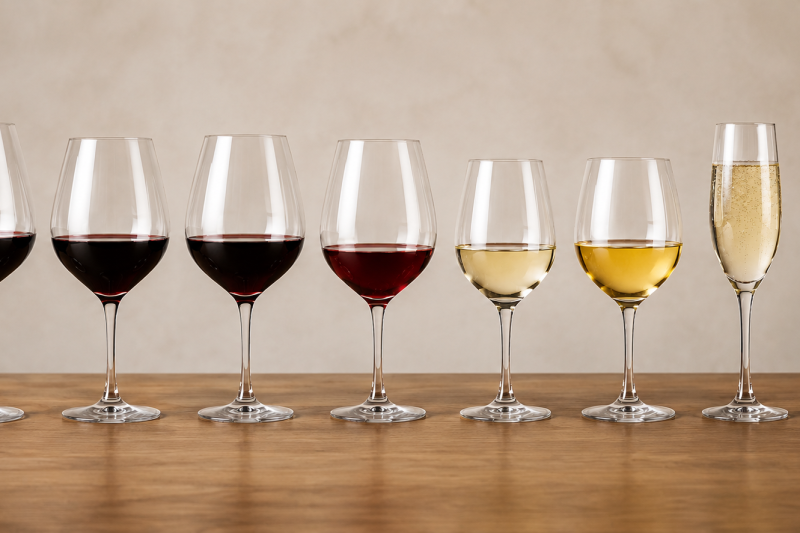
Crisp white wines (Sauvignon Blanc, Pinot Grigio) Very high 1–2 days refrigerated Low tannin, delicate aromatics; nothing protecting the fruit
Aromatic whites (Riesling, Gewürztraminer) High 2–3 days refrigerated Higher residual sugar provides slight protection
Full whites (oaked Chardonnay) Medium-high 2–3 days refrigerated Oak aging has pre-softened the wine; some built-in stability
Light red wines (Pinot Noir, Gamay) Medium 2–3 days refrigerated Lower tannin than full reds; refrigerate to slow damage
Full-bodied reds (Cabernet, Barossa Shiraz) Medium-low 3–5 days refrigerated High tannin and pigment provide natural antioxidant protection
Sparkling wine (Champagne, Prosecco) Very high 1–2 days with Champagne stopper CO₂ is lost quickly; flat sparkling wine is also oxidized sparkling wine
Fortified wines (Port, Sherry, Madeira) Low Weeks to months Elevated alcohol (17–20%) dramatically slows oxidative reactions
CrushBrew
Privacy Overview

This website uses cookies so that we can provide you with the best user experience possible. Cookie information is stored in your browser and performs functions such as recognising you when you return to our website and helping our team to understand which sections of the website you find most interesting and useful.