Tag Archives: wineries

Organics, the future of wine, and why vintage 2017 is looking so good.

Organic Wine, the future of wine, and why vintage 2017 is looking so good.

The Pyrenees has a special place among the winemaking regions of Australia. Having been one of the few areas in Australia to avoid the phylloxera plague of the late Nineteenth Century, it has an unbroken lineage to the original plantings in Victoria of the 1860s.

Famed for its eucalypt-tinged shiraz and busty cabernets for many years, in recent times its vignerons look to diversify the varieties they plant and the kinds of wine they make.

Mt Avoca’s Matthew Berry is the second generation of his family to make wine here. His father, an old-school stockbroker, began the vineyard in the 1970s as a hobby, one that eventually became a passion.

After a decade of drought and then remarkably unsettled seasons which followed – flooding, heatwaves and warm dry winters – this autumn’s harvest is exciting the region’s vignerons.

While the cautionary premise that nothing is brilliant until it’s bottled always applies, the tumult the wine industry has endured in recent years seems to be passing.

And the 2017 grape harvest is promising lush fruit and intense flavours. It could be a truly great year for wine.

Matthew Berry paused from his vintage preparations to speak with The Courier about the region, the changes in palate of wine drinkers over time, his decision to become an organic winegrower and the prospects of a great 2017 vintage.

When did you start in the winery?

My father started in 1970 and so I worked with him as a little kid growing up, catching tadpoles and getting gumboots stuck in the mud and that kind of thing. Then he sold it in 2001 to a group which bought four wineries.

And the guy behind that was not quite smart as he thought was, and in a very short space of time the bank stepped in. So in 2003 I bought it back from the bank that financed him.

What was your father’s background?

My father was a stockbroker. He enjoyed the old-school stockbroking, where you looked at companies, like mining companies, and you actually did research on what they had, and you invested on the basis of the reality and projected the profits and that kind of thing.

I think when things got a little bit more speculative and people were buying companies when the share price went down and selling off the assets and destroying them, he said “it’s not really what it’s all about.” So I guess he had old-school sort of values.

And he always liked the idea of doing something and getting his hands dirty, so it was eventually part-time stockbroking and more up here.

The Pyrenees is one of the earliest-established winegrowing areas. Did he did he come here with a focus on being in the Pyrenees or did he look elsewhere?

He actually did a lot of a lot of research. That was back in the days when we actually had a Department of Agriculture and a state viticulturalist, so you had someone who could you could talk to who had that knowledge.

They were actually looking originally more towards the north-east because my parents skied and thought they’d get something on the way to Falls Creek. So they were driving through Millewa and looking around Rutherglen and all those sorts of areas.

But having done the research – and I think it was back in the day when John Whiting was the state viticulturalist, and he did a lot of research – the Pyrenees was highlighted as ideal in terms of soil climate north of the Divide, much drier, very little disease pressure. Which actually flows really well into us being organic now and having no chemicals on the property.

And coincidentally, there were some French and Americans was looking around. So my father knew John Robb at Chateau Remy (now Blue Pyrenees) and this block of land came up and so they got that and it was about the time when David Hohnen started off at what’s now Taltarni.

I guess (we were) focusing on the flavours and trying to get the varietal characters into the wine, rather than just making some big, tannic, alcoholic monster.

So that was in the early 70s, a lot of a lot of growth there. Summerfield started off about the same time as well, around 1970. It was one of those periods when people were looking and. I guess it is no coincidence we went from one winery here in the 60s to eight or nine in five years.

The variety that, for better or for worse, the Pyrenees is known for is shiraz. But in fact people are branching out into all kinds of varieties now. Did your father and yourself start with that idea of shiraz?

Yeah, the first vines we planted were shiraz. And I guess shiraz and cabernet were the two major varieties in Australia at the time and interestingly the cabernet is probably the most consistent in terms of year-in, year-out. We won more gold medals with the cabernet. Possibly a little bit to do with the clone we had of the shiraz.

And I guess at that stage too, in the 70s and 80s, 90s we were making more of an elegant style which has become more popular now with more medium-to-heavy weight but not really big, ballsy, solid. I guess focusing on the flavours and trying to get the varietal characters into the wine, rather than just making some big, tannic, alcoholic monster.

But back in the days everyone wanted these really big gutsy wines, so we were a little bit of ahead of the curve.

I think the style we’re doing now is actually a continuation of what my father started; so now what we’re doing (people saying) “oh wow, it’s great, it’s elegant” – and we’ve seen, probably since 10 or 15 years ago, the show circuit’s moved away from rewarding just these monsters to actually looking at structure and flavours and balance.

So that’s something we always had.

The shiraz was was the largest planting, and then a bit of cabernet after that in ‘72.

And then we didn’t do much for a long time. In the 80s we planted sauvignon blanc, again which was fairly ahead of the curve and it was quite good – got a trophy with our first-ever sauvignon blanc, which was pretty rewarding for dad.

And then a couple of years after that we planted some acres of chardonnay and it really gave us that sort of well-rounded shiraz/cabernet/little bit of merlot/sauvignon blanc and chardonnay – they were the classic varieties of it that period.

Now we’ve got lagrein; we’ve got tempranillo; we make a nebbiolo from a vineyard over the hill; we have viognier. We also make a bit of pinot grigio from, again, a nearby vineyard; a sangiovese.

So all those things are really quite exciting. And what actually started me was Dr Richard Smart, a fairly well known viticulturalist; he did a lot of work on mapping different climates around the world, and he came up with a map of what he called ‘homoclimes’ which was climates that were quite similar.

And quite interestingly the weather data for this area was quite similar to Rioja.

But because the weather stations have really obscure names – I think one of them was Tanwood which was a town which existed 100 years ago, exists on a map but there are actually no houses there, or there might be one house, but the weather stations carry on with these names of yesteryear

So I looked at this map and this data and said, ‘wow, there’s two or three areas that are really close to us and they’re Pyrenees’, but it wasn’t so obvious because unless you knew the names you couldn’t join the dots.

Having seen that information we planted some tempranillo. It’s just fantastic; really great flavours and it’s just lovely. It has something which tastes different, it’s just a different flavour profile.

So having done that it was just a logical progression to play with more things, and the exciting thing is people love it. “Oh wow! It tastes so different!” Instead of being plum and pepper like a shiraz, you go, “Oh it’s got rosemary, it’s got basil, it’s got these other herbal flavours!”

It just becomes quite exciting to do that.

It is exciting to think of, when you look at the different climates around the world, to think ‘we could do this here’ – there are Spanish varieties, there are Greek varieties, there are southern French varieties. Do you think the palate of the wine drinker in Australia is getting more adventurous, more sophisticated? If we talk about the big shirazes of the 70s and 80s and the era of the long lunch. People quite memorably loved that: ‘Bang! let’s have something 14, 15 per cent.’ That has changed a lot, hasn’t it?

I guess the demographics change as well. So I know that the people that bought our wine back in my father’s day, you know, they’ve got full cellars, or they’re octogenarians, their drinking days are probably not quite as – voluminous – as they might have been.

Everyone drinks wine now. In the old days it was, you know, unusual and a certain age. Now you go out and you’ll see everyone over the age of 18, either gender, drinking all sorts of things. You’ll see a table of young ladies drinking bottles of cabernet and merlot.

It’s very difficult, I think, to make the generalisations that we could make years ago, because people like different things. And I think also, going hand-in-hand with that is this interest in food. So we’ve got this absolutely phenomenal interest in reality chefs and cooking programs, and there’s probably three or four television channels devoted entirely 24 hours a day to cooking.

For me, wine is the sixth food group, you know – it’s part of what you do when you eat; you have wine and it goes with the food and augments the meal

So if we’re eating more adventurously and trying different foods, wine’s part of that. I’m waiting for the wine channel to come on.

For me, wine is the sixth food group, you know – it’s part of what you do when you eat; you have wine and it goes with the food and augments the meal. It’s something which, if you only have one or two wine, it makes no sense when you’ve got 5000 kinds of food. And we’ve seen Greek, Italian people are really getting back to their roots and reintroducing… they’ve always had a wide range of cuisine.

I think the great things about Australia was that that multicultural aspect, that history of people having come from all over the world. So we’ve always had that, but I think now we’re getting a lot more detail in that people saying, “oh it’s not just Greek: this is from this village on this island and we do this,” and so it’s more specifics, it’s more more detail in its flavours.

So I think corresponding to that, people want to have this wine or that wine, and matching flavors is part of all that, that whole ability to take time to look at food and then expand on that with the wines. I think that’s opened doors to people trying a whole lot of wines and I’m sure a lot of them think of themselves as being adventurous: “I like this! I’ll drink it! End of story!”

Your (wines are) organic. Tell me the thinking behind that, because it’s quite a process to become certified. And it requires constant attention, doesn’t it?

Absolutely so.

I guess we’ve always had a very strong, what I call a ‘clean and green ethic’, which my father started. One the reasons for this location was that we had little disease pressure. Little disease pressure means less chemicals.

We also were involved in the 80s in projects with the Department of Agriculture in developing minimal chemical usage with weather stations and data loggers and things like that; so that was something which was fairly important for us in that it covers off two areas: using less chemicals which is good, and often you can be efficient and sustainable economically as well.

If you’re spending less money on things like chemicals, then you’re putting that money into the good stuff, so that was that was important.

It was all about quality: how we get those flavors to increase, to get that intensity, to get that real verve, that excitement into the bottle

And then in the mid 2000s I did a tasting down in Melbourne. It was a biodynamic tasting from winemakers all around the world.

I do a lot wine tastings and some are great, some are OK, some are not so good. This had a theme and I was really impressed that all of wines, even the wines that I was not that crash hot on – there was a quality aspect, a vivacity, a verve. It was really an aspect of life coming out; they were just full of energy, full of life.

That made me think, ‘ah this organic biodynamic thing might have something,’

The reason we went down that path wasn’t because we in particular wanted certification, and we did five or six years of organic viticulture without even opening that Pandora’s box of bureaucratic nightmare to become organic.

It was all about quality: how we get those flavors to increase, to get that intensity, to get that real verve, that excitement into the bottle; and having tried these, I thought ‘common theme’ – there’s something about that.

I’m a scientist. I look at things pretty much on the facts and it can be interesting – how do you measure these things?

Sometimes it’s hard to come up with the hard data, but when you try a whole lot of wines, and my palette says, ‘Yep, there’s something in these, I like them’ – that was enough to give me that that level of confidence across a wide spectrum of wines that there was a real difference and quality, not just in the winemaking but there was actually some hard data on ‘let’s go organic and we’ll make better wine.’

I think the first one I can recall trying, because it was organic, was a Kalleske from South Australia. And what you’re saying was immediately apparent; that it was a different wine from other wines. It had a singularity about it. Over the years I had several conversations with Alex Podolinsky. I was always fascinated by the people who came to him because there is that… you can be skeptical about BD500. But farmers who were well respected in the community would go to him when they took on his product, and would swear by it. And it’s quite fascinating because, yourself as a scientist, you know that it’s a difficult area to go into.

I think also one of the problems was some of the larger commercial wineries put out wines that were organic on the label – and they weren’t great wines.

The whole of the 2000s the wines were ‘organic’, they were ‘preservative free’ and the wines weren’t great; and even to this day some people shy away from putting ‘organic’ on the label. People go ‘yeah organic!’ and it’s not that good.

The people that we’ve seen in Victoria and South Australia that have been doing it for a long time, their reputation is based on the quality of the wine.

The really great wines that have that biodynamic or organic pedigree, they don’t talk about that. The brands are fantastic; they make great wine and part of that is, ‘we’re organic, were biodynamic and that’s part what of we do’; but if you’re only hanging your hat on one – ‘we’ve got this organic sticker and label’ – that’s not really, I think, what people want.

The people that we’ve seen in Victoria and South Australia that have been doing it for a long time, their reputation is based on the quality of the wine. Again, for us, it was just about, ‘let’s get the grapes absolutely to express their natural flavors and intensity as best we can,’ and then we take that through.

So it took us quite a long time, and in 2016 we got our first batch of fully organic wines, which again probably was to do with certification – a lot of the wines in ‘14 or ‘15 were made from organic grapes but we didn’t tick all the boxes in terms of going through the paperwork.

So it’s interesting.We’ve got our first lot of wines coming out which will be fully certified from earth right through to the to the glass.

What varieties are those?

An organic sauvignon blanc, an organic chardonnay and an organic lagrein; and then when more of the reds come out in the next year or so, those ‘16s will also be organic.

Let’s talk a bit about this year’s vintage, because it’s been the driest March in about 10 years. I was talking to a staff member inside earlier and he said this is a very typical March of the 1990s. Of course the climate has shifted. But it’s looking like being a good vintage this year?

Absolutely. In the 80s and 90s we’d start vintage around mid-March; 18th March was a pretty typical date to start.

And then in most of the 2000s it sort of ‘moved forward, moved forward’ early March, late February, even to mid-to-early February. So, depending on the season, about a four to five weeks earlier.

So this is really a throwback to the old days: warm but dry in March, and I guess that cool summer – we had probably more warm days in March than we had in January or February, which is kind of crazy. But the quality is looking fantastic, the vineyard’s never looked better.Organics, the future of wine, and why vintage 2017 is looking so good.

We had a lot of rain last winter and spring and this is the first time in in decades our dam has been full, and it’s almost full now at the end of summer, which is really quite quite amazing.

It’s lovely to see the growth. Obviously the composting organic is part of it, but water is the big thing.

Having seen this season, it just makes you realise that it’s the difference. More water, more growth. For us we’re such low vigour anyway. You know we can have the perfect season and we would still struggle to get more than two and a half tonnes to the acre, which is pretty low.

However just the plushness of the leaves, the better colour, and all of that goes through the vine health, it translates into good grapes, the skins are thicker. We’re going to get more tannin, more flavor. There’s just more to get into the juice, so that that will translate into more flavours and more weight and more texture and all those things that we really want in our wine.

Is it’s still exciting to be a winemaker? Do you get up every morning and think, ‘this is going to be something interesting, something new today’?

Always something new, always exciting.

I think anyone who runs small business would be aware that there’s a fairly high level of stress.

The market’s certainly turning around. We’ve had a pretty tough 15 years since probably the early 2000s, 2002. The wine glut really hit the market and that’s just dissipating now. China is picking up more of the slack, so a lot of the wine that used to go to the UK is now going into China.

But the good thing is the value of wine is going up; grape prices are going up, so I’d like to think in a few years we’re back in a more sustainable model. We had a lot of people, a lot of vineyards disappear. If the price of grapes is less than the cost of growing them it obviously doesn’t work.

But we probably needed a bit of a clean out. I think we’re at the point now where we’re getting back into balance. If you have supply and demand balanced, we’re in a much better place.

Just finally with the organic and the Chinese: the Chinese, a little bit stereotypically, but they are certainly focussed on the ‘top end’ wines. Do you think that they will embrace the idea of organic wines? I mean, as we said before, it’s ultimately about the quality of the wine, but it’s something that is a marketable idea?

There’s already interest. People want the new organic wine. I think as the market develops and it becomes more sophisticated that will increase. Japan has a more sophisticated market and in Japan the demand for organic is much stronger across all products but also wine. So I’d like to look at it a bit more this year and see if I can do something there.Organics, the future of wine, and why vintage 2017 is looking so good.

But we do already some quite good sales into into China, and as always, it’s a question of the price and the quality.

Everybody wants to buy a Rolls Royce but they are wanting to pay Hyundai prices. Bridging that gap and explaining the differences is is a challenge, I think in wine particularly. You can have two bottles. They look almost identical. One’s $4 a bottle, one’s $104 a bottle. Externally they look the same.

I guess the demographics change as well. So I know that the people that bought our wine back in my father’s day, you know, they’ve got full cellars, or they’re octogenarians, their drinking days are probably not quite as – voluminous – as they might have been.

The other product is ok, but it’s more of a production line product.

So getting that message across, like any product, it’s important. But wine faces some challenges, in that if you’re not a wine person it can be hard to pick the difference and externally – you know, you get a cheap bottle with great packaging, an expensive one with ho-hum packaging, (they say) well ‘why would I pay $100 when I can get it for $4?’

And that’s a little bit of the dialogue that is going on, and that’s part of the story that we have to tell.

Caleb Cluff
Caleb Cluff
One reason why wine and hot tubs go together

One reason why wine and hot tubs go together

Click here to view original web page at www.capegazette.com

Keep your eyes peeled for 2014 CMZ from Matt Cline’s Three Wine and S3x Company. That, my friends, is what’s known as “the hook.” Cabernet, Mourvedre, Zinfandel with a soupcon of Cinsault, Carignan and Petit Syrah, and no, Matt is not the Cline of the eponymous Cline Family Cellars and Red Truck home run fame, but they are brothers. Matt was winemaker at Cline and Conn before striking off on his own. CMZ blends grapes from Napa and Contra Costa County. Cline has a long story. The owners are the grandchildren of Valeriano Jacuzzi. Yeah, that’s correct, the hot tub guy. In addition to inventing the pump/jet system used in Jacuzzis, Grandpa and his brothers owned a large fruit farm originally. The Cline grandchildren, many of whom are in the wine biz, claim it was family visits to this farm that prompted their affinity for farming. You may recall a previous column recounting when Barbara and I met with Regina Martinelli, scion of the famed Martinelli Winery and Vineyards, another of the old-line Sonoma wine families, where she explained the circuitous route many of the famous Sonoma wineries took from fruit farming to wine production.

Many of the very large Sonoma wineries were originally inherited from family members who were truck or fruit farmers. These old-timers grew mostly Italian or Rhone varietal grapes for producing wine for their own and local consumption. Many of the old vines date back over 100 years. Long story short: wine aged and shipped much better than fresh fruit, and the brightest of these old farmers figured that out shortly after the Volstead Act (Prohibition) was repealed, so they started planting more vines. Their children realized that Cab, PN and Chardonnay sold much better and replanted or grafted to the old rootstock, which was not affected by phylloxera in the 1980s. Several stuck to their guns and continued to propagate the old vines and varietal selections. With the nascent interest in these blends, it looks like their patience is soon to be more richly rewarded. As I wrote last week, if global warming exists, the hot weather/drought varietal grapes will thrive and the PN, Chard, and SB will move farther north. Recent torrential snow and rain in Cali is worth remembering as the 2017s come into your purview. Anyhow, the Three Wine companies CMZ 2014 is dark purple, nearly black core with a raspberry-colored perimeter. Pronounced aromas of blackberry, raspberry and rhubarb with a subset of oak-driven spicy cedar are driven by the 15.7 percent alcohol. These evolve to a juicy palate of dark fruit, cherry preserves and mild oak riding a proper tannic and acid frame. I was pleasantly surprised the wine wasn’t “hot” given the high alcohol content. Under $33 this rates 93 points.

For those looking for an affordable everyday Cab, check out Louis Martini Sonoma County Cab sourced from Dry Creek and Alexander Valley juice. Dark garnet-purple with pleasing varietal nose, it opens on the palate to berries and plums, with hints of licorice and mocha. These are well-balanced, food-friendly Cabs that are drinkable now but with full body and sufficient tannic grip to support some aging. On the clean, long finish look for more fruit, dried herbs and oak-driven cedar, 87 McD points under $15. A star. In the $13 range, Columbia Crest is on the mark again with H3 Horse Heaven Hills Cab from Washington state. Tanzer wrote a while back that you can’t go wrong with nearly any of the blockbuster 2012 Washington Cabs. So far, all I’ve sampled reinforce his call. The H3 2012 is terrific, 92 McD (2 price points). These are real value, folks. The H3 Reserve is slightly better at 92 points, but you will pay in the mid-$30-40 range. It would be instructive to try both side by side to determine if the price differential is worth the candle.

The latest in Kosher wine: an interview with wine expert Gabriel Geller

The latest in Kosher wine: an interview with wine expert Gabriel Geller

Q: What are the new Purim offerings from Royal Wine this year?
A: There are so many! I would point out three wines in particular. I’m a big fan of rosé wine and the Covenant Red C Rosé from California is excellent,
bursting with flavors, tart red fruits with lots of mouth-watering acidity.

Château Malartic-Lagravière also came back with a new vintage, nine
years after the previous kosher release. It is a great wine from Bordeaux that can evolve and improve for several decades.

I think people do not drink enough white wines, it’s really too bad as they are so much fun! For instance the Matar Sauvignon Blanc-Sémillon is a gorgeous, full-flavored white blend from one of Israel’s best boutique wineries.

Q: What is your favorite new wine?
A: My favorite new wine would be the new first growth sauternes, Château de Rayne-Vigneau, arguably the best kosher dessert wine in the world. I wish I could buy kosher foie gras in New York, as it would pair perfectly with it.

Q: What’s sells more, red or white?
A: Red wine still sells the best. While full-bodied Bordeaux-blends and Cabernet Sauvignon are kings, more people get slowly into rosé and white wines and are also getting interested in other varieties such as Cabernet Franc, Petite Sirah, Shiraz etc. The Nadiv Reshit, for instance, is a magnificent Australian-style blend.

Q: Has there been a move towards organic offerings at Royal?
A: More and more wineries have started to grow their grapes in organic vineyards, using little to no chemical and pesticides. Or Haganuz winery
makes a nice wine, Elima, that has no added sulfites.

Q: It looks like Royal continues to expand even into the food business. What can we expect in the coming year?
A: We are working on expanding our food portfolio at Kayco both in terms of diversity and in terms of quality. Some exciting brands have joined us, most recently Beetology, which is quite a great brand with awesome products.

Q: Where can our readers learn more about your wines?
A: In the Jewish Standard of course! But one of the best places to stay up to date with new kosher wines, discuss, give or receive advice is on the Facebook group: Kosher Wine: Sharing and Experiences.

Click here to view original web page at jewishstandard.timesofisrael.com

What is ‘wild’ yeast, and why is it all the rage in wine, beer and cider?

What is ‘wild’ yeast, and why is it all the rage in wine, beer and cider?

 Special to The Globe and Mail

What is ‘wild’ yeast, and why is it all the rage in wine, beer and cider?

A single grapevine teems with life. There’s the fruit, of course, but I’m mainly talking about the tens of millions of microscopic bits of yeast, fungi and bacteria clinging to the ripe grape skins.

Centuries ago, it was this eclectic community of microflora that brewers, vintners and cider makers used to kick-start fermentation, the process whereby yeasts feed on the sugars turning them into alcohol.

Results were mixed: Some were delicious, but when you work with wild-yeast strains you’re betting on the science of nature, and nature can taste downright nasty. In the 1840s, yeast was identified as the cause of fermentation and since then, the best “wild” strains have been commercially cultivated to create a consistent, reliable product.

Now, it’s going in the other direction. A growing number of Canadians are turning back the clock, inviting wild yeasts and other microflora into their recipes.

They’re slowly transforming the flavours in our pint or wineglasses – adding a whiff of the hayloft, a bright pop of mango or a cider-vinegar-like tang. Winemakers and brewmasters say this is in part to satiate a new thirst for complex flavours. It’s also about a pursuit of terroir – the taste of the place where grains and fruits are grown and fermented.

Shea A.J. Comfort is an expert in alcoholic fermentation known in the industry as “the yeast whisperer.” He says drinkers’ palates are more embracing of wild flavours than they used to be. “The rise of organic and Slow Food movements have given us a general sense that things were tastier in the past,” says Comfort, who lives in California.

“Plus we’ve got shops for pickling, kimchi and kombucha that are bringing the unseen world of fermentation to light. When indigenous fermentation works, you get an undeniable complexity that doesn’t come from one cultured yeast strain.”

But, he warns, it can be a dangerous game. “With every culture you pull up that you think is good, there are literally thousands more possibilities – you can wind up with flavours that taste like goats in the sun,” he says. And if the nastier types of fungi get into a brewery or winery, they’re almost impossible to kick out. To keep the baddies at bay, vignerons are vigilant about cleanliness.

The quest to uncover a uniquely Okanagan character in wine is what drove former wine agent Christine Coletta and her husband Steve Lornie to open Okanagan Crush Pad (OCP), one of the biggest and most ambitious “natural” wineries in the country, six years ago. The couple delayed retirement to do so. At OCP in Summerland, B.C., all wood has been expunged from the winery, including grape-picking baskets. Fungi control is part of the reason their wine is fermented in concrete tanks.

Coletta’s philosophy is to use only what’s available in their organic vineyard to make their wine, including the yeast. “When you use commercial yeasts, you get flavours that are not native. So for those of us that are making terroir-inspired wines, they’re unwelcome guests,” Coletta says.

There are many terms for the type of winemaking they practice – natural, organic, minimalist, biodynamic or wild – but in essence it describes a process where the vintner intervenes as little as possible.

Minimalist winemakers view commercial yeasts, and other common practices, such as oak aging, nutrients, enzymes and heavy sulphites as additives. (It’s a position that rankles many Canadian winemakers who do use these things, and also believe their products are natural and express a taste of place).

Instead, natural winemakers take a gamble on nature. OCP, along with other minimalist wineries like Kelowna’s Summerhill Pyramid Winery, Niagara-on-the-Lake’s Southbrook Vineyards and Jordan, Ont.’s Pearl Morissette, harness the community of microbes living in the vineyard. After grapes are picked, they’re crushed and left to ferment with the microflora living on their skins.

The end result is slightly hazy wines with an unnerving texture and layered complexity. OCP’s 2014 Free Form Sauvignon Blanc has whiffs of sweetgrass, strawberries, musty apples and peaches, and finishes bone-dry and slightly medicinal. Unfiltered and left on their lees (yeast debris) in the bottle, the wines are living beings. If you don’t like the first glass, put the bottle back in the fridge and you’ll have a completely different flavour the next day.

While both beer and wine fans are getting into wild, or indigenous, yeasts, the process for making each drink is very different. Take brettanomyces, a species of microflora that natural winemakers hate at high levels, associating it with unflattering aromas such as wet dog, burnt plastic or smoked meat. Brettanomyces in all of its forms – from barnyard funk to ripe pineapple – is a major attraction in wild ales.

That’s due in large part to the venerated Belgian tradition of lambic beer, a style that dates back to the 14th century in Brussels and the surrounding area. Unlike winemakers, brewers can’t rely on fruit to collect microflora. Instead, lambic producers leave hot wort (a sugary mixture made by steeping barley in water) to cool overnight in a giant, shallow pan called a coolship, in a room with a window open to let in outside air.

As the wort slowly cools, various strains of microscopic yeast begin the fermentation process. The next day, the wort is transferred into old barrels to ferment a second time, this time as a motley crew of flora and fauna inside each barrel do their thing for up to three years. This technique is still practised by a handful of Belgian breweries today, most famously Cantillon, a pilgrimage site for beer lovers whose mouths pucker in reverence after sipping its bone-dry, vinous and lactic golden ales with delicate layers of woody spice, florals and funk.

Last May, after spending time in lambic blending houses, brewmaster Paul Gautreau of Alberta’s Big Rock was inspired to start his own lambic-style side project. (Lambics are a protected appellation; spins on the style are loosely categorized as American wild ales). To keep the rest of his brewery from being infected, Gautreau built his own “wild-beer bunker” – a locked room with a 20-foot-long coolship, used wine barrels for aging, separate drainage, aprons, gloves and a boot washer, and only one key. To kick-start fermentation, he opens two large louvres in the walls, letting microflora from the the brewery’s own garden and the region of northwest Calgary do its thing.

Ontario brewery Nickel Brook opened a Funk Lab last year in its original Burlington brewhouse, after it moved its main production to a larger facility in Hamilton. “We don’t have the space for a coolship,” says brewmaster Ryan Morrow, standing in front of bourbon and wine barrels stacked three high. Unlike “natural” winemakers who don’t want to interfere with the science of nature, Canadian brewers MacGyver the funk out of wild ales, and Morrow uses a mix of techniques to make his beer.

Nickel Brook’s Brett Pale Ale is fermented with a commercial strain of brettanomyces isolated from the tastiest lambic strains. Morrow also blends a “clean” malty ale with an older version that’s aged in bourbon barrels, spiked with brettanoymces, for a year. Out comes the coveted Cuvée: a vinous, silky sipper with notes of plum, baking spices, sour cherry and oaky tannins.

If Morrow and his team come across a nasty barrel – they dump it. It’s painful, but the loss is nothing compared to having to kiss an entire block of grapes, harvested just once a year, goodbye. Coletta hasn’t had any batches she didn’t like, but it is a risk.

Is it worth it? Comfort has mixed feelings about natural wines. “It’s rare that there’s not something in the background that bothers me a bit, it might be slightly metallic or funky,” he says. “But I’ve also tasted some stuff that’s been unbelievably phenomenal. It’s like a unicorn in the woods – doing normal winemaking, you’re never going to catch one of those.”

The list of breweries and wineries on the chase keeps growing. Two new breweries launching later this year, Bench in Beamsville and Blind Enthusiasm in Edmonton, will do so with a coolship in place, and the term “wild fermentation” is showing up on an increasing number of wine bottles.

These zany Dr. Seuss-like tipples aren’t just a fad: Funky fermentation is a whole new flavour zone.

Decanted: A Winemaker’s Journey

Decanted: A Winemaker’s Journey

Click here to view original web page at www.pastemagazine.com

Amy Glynn is an award-winning poet and essayist with complicated, mixed feelings about adaptations. In addition to literature, film and television, she also thinks a lot about grapes being adapted into wine. She lives in the San Francisco Bay Area. You can follow her on Twitter.

That would have been so cool. Heidi Barrett, in case you’re not a cult wine collector or an avid reader of Robert Parker’s wine reviews or a resident of the town of Yountville, is a bit of a legend in Napa Valley, responsible for some of California’s most famously culty wines, including Screaming Eagle. If you’d like to taste Screaming Eagle you can find bottles of it for sale. They can run you from $1,500 – $2,400 a bottle. The story of how this woman came to create wines that inspired this much of a retail frenzy, considering how many spectacular wines you can get for $50? That is a story right there.

But we cut to another winemaker, talking about his own process and why he chose this as a second career. Then there are some people harvesting grapes in the dark. Then there are four more winemaker characters introduced and you get that this isn’t a single winemaker’s journey, though it might be about how these people converge somehow and are part of one another’s journey. But though that is the actual reality of being a Napa Valley winemaker (everyone knows everyone and has worked with or for everyone), it’s not the narrative here, either. So then I’m thinking the “journey” is the process of winemaking, in general. Only that’s not what the viewer gets, either. There are these people. You can tell that they love what they do. You can tell they know a lot of stuff—they are saying some of it to you as you watch. Also, sometimes they might go surfing. Or take a boat out on San Francisco Bay. Or get coffee. You know.

So my last guess is that the framework of this thing is the seasons. Nope—there’s very little organized progression of the life cycle of the grape or the life cycle of the people making wine from said grape. We see shots of harvest, of budbreak, of people hauling ass to get everything crushed and vatted. Many of these moments are interesting and many are beautiful, but it is so chaotic you can’t get a firm grip on what the throughline is. People who make wine like making wine, and they like it when wine fetches high prices at auctions. Got it. But I was ready to go on that journey I was promised when Heidi Barrett’s helicopter was cruising over the vines.

I’m someone who spends a lot of time in Napa and Sonoma County wine regions. I know what that landscape looks like at every time of year; I know what is going on in the cycle of production, more or less, at any time of year. I know what kind of soil you will find on Mt. Veeder (really damn old) and which grapes thrive in Los Carneros (Pinots). And even I was confused. Someone who didn’t know Napa already would possibly be in grave danger of getting very dizzy. As I watched, my inner “narrative builder” kept working. Maybe this is the story of a new winemaker’s debut and there’s a lot riding on it and it wasn’t a great vintage and everyone’s champing at the bit to find out if that stuff is Nectar of Gods or plonk-a-roonie?

Not as far as I could tell.

What does that leave? Well, the photography—particularly the intercut stills—is gorgeous. It’s amazing scenery, clearly seen. The score was great. And overall the film contains hints of many, many stories that would each make a very satisfying documentary on its own. It’s fertile subject matter, and it’s worth checking out if you are interested in wine and how it gets into your glass.

But the blend is off. Or it might even just have the wrong name and label—once you’re expecting one thing, getting something else is confusing. All I can tell you is that I spend a lot of time in vineyards and at wineries and every time I and friends sit under a beautiful tree with a picnic and a bottle of something that came from the very vines we’re looking at, we always say the same thing: “How? How do you get this?”

I thought I was going to find out.

Director: Nicholas Kovacic
Release Date: Available February 21 digitally on iTunes, Amazon and Google Play


sonoma

Sonoma Valley growth sparks debate over area’s future

Sonoma Valley growth sparks debate over area’s future

Click here to view original web page at www.pressdemocrat.com CLARK MASON

 A half-dozen proposed projects in the upper Sonoma Valley are sparking a debate over growth along the Highway 12 corridor between Santa Rosa and Agua Caliente.

Resort at Sonoma Country Inn: 50-room hotel, 125-seat restaurant, spa, 10,000-case winery, 20 events

The “Scenic Route” sign on Highway 12 announces the obvious to motorists heading into the Valley of the Moon. It’s cradled by mountains, dotted with giant oaks, horse ranches, vineyards, remnants of old orchards and the odd water tower.

The road delivers inspiring views of imposing Hood Mountain, its craggy face standing sentinel over a historic route from Santa Rosa to Sonoma that carried stagecoaches and trains before the automobile took over.

But today, the two-lane highway is crowded with traffic generated by commuters, residential and commercial development, sightseers and visitors headed to wineries and tasting rooms.

The northern arm of Sonoma Valley, between Madrone and Melita roads, is home to more than 40 tasting rooms and event centers that each year attract more than 140,000 people to special events. They could be joined by another half-dozen or more tasting rooms and more than 110 annual special events with 20,000 more people if permits in the pipeline previously approved, but not yet built, are exercised.

The burgeoning wine industry and plans for a high-end luxury hotel, spa and winery off La Campagna Lane in Kenwood have especially drawn attention and opposition while highlighting the impact of development along the county’s busiest wine road.

The growth has set off alarms among rural residents concerned about the loss of agricultural land and the vehicles and noise generated by winery events, especially on weekends. They raise the specter of “Napafication,” the fear that roads will become as clogged as in Napa Valley, where traffic on Highway 29 slows to a long crawl on Saturdays and Sundays when visitors stream to the abundant large corporate-owned wineries.

The projects have sparked a debate inside Sonoma Valley over its future, one that comes at a time when the county is having a similar conversation about how to maintain the vitality of the wine and tourism industries while preventing activity that diminishes the rural character of the region.

“I’m very concerned about the growth of wineries, events and tasting rooms in the Sonoma Valley in a couple of different areas,” said Supervisor Susan Gorin, whose district is sprinkled with 120 wineries and tasting rooms in the Sonoma Valley and Carneros regions.

Gorin, along with a majority of county supervisors, last year reached consensus on the need for new regulations on what is one of the largest sectors of the local economy — wine-related tourism, which generates more than $1.25 billion in Sonoma County each year.

Supervisors signaled the wine industry will face greater county scrutiny and potential limits on new development and business activity, not only in Sonoma Valley but also north of Healdsburg, along Westside Road and the Dry Creek Valley, which have a plethora of wineries and even narrower roads.

The issue is expected to come back before the Board of Supervisors later this year.

Wine industry leaders say events are a vital tool for local vintners to sell their wines and remain competitive, and complaints tend to be relatively few.

Overall, they say their surveys show Sonoma County wineries and events have high favorability ratings among the public. They fear any large-scale overhaul that restricts events could drive wineries — especially smaller ones — out of business.

“Growth isn’t all wineries,” said Jean Arnold Sessions, executive director of Sonoma County Vintners, a winemakers’ trade group. “To me, the bigger issue vintners and the community face is how to integrate this growth to protect our rural agriculture.”

Wave of U.S. winery sales expected to grow further

Wave of U.S. winery sales expected to grow further

BLOOMBERG NEWS Click here to view original web page at www.toledoblade.com

When billionaire Stan Kroenke, owner of Napa cult winery Screaming Eagle and a slew of sports teams including the Los Angeles Rams, bought a majority stake in iconic Burgundian estate Bonneau du Martray in December, shockwaves ricocheted around the wine world.

The historic property has belonged to the Le Bault de la Moriniere family since the French Revolution. Its grand cru Corton-Charlemagne is one of the planet’s great white wines.

Cabernet sauvignon grapes are dropped into a bin during harvest at the Quintessa winery in Rutherford, Calif. Many wineries are selling out as Baby Boomer owners retire. A survey found 30 percent were considering or expecting to sell within five years.

But that was only one of many high-profile wineries and vineyards to trade hands last year. In California and Oregon, more than 35 were sold.

Get ready for 2017: The Silicon Valley Bank State of the Wine Industry 2017 report, released this month, predicts a continuing vineyard land grab this year.

“This sell-off phenomenon is not a real estate bubble,” insists author Rob McMillan, founder of the bank’s wine division.

The Silicon Valley Bank serves both the tech industry and the wine industry; about half of its 350 west coast winery clients are in Napa. And this gives the bank unique insights into what’s happening in the U.S. wine world and what will happen next. Mr. McMillan’s annual missive has become the industry’s yearly report card. This year he looks back at the trends in 2016 and tackles what to expect in 2017 through the entertaining framework of the movie Jaws.

“In the wine business, there is blood in the water. The fishing is for premium wine assets,” he notes in the section on Land and M&A. More buyers want prime land in prestigious areas where there are fewer and fewer plantable acres. Sellers of the top estates can bargain hard as prices spiral upward.

In a survey of U.S. winery owners, for example, he found 30 percent of them were considering or expected to sell in the next five years, while another 20 percent said a sale during that time frame was “possible.” That’s a lot of wineries and land that might come on the market.

A prime reason the sell-off will continue, he says, is that Baby Boomers are aging out and want to retire. That’s the story behind the October sale of Oregon pinot noir estate WillaKenzie. Owner Bernard Lacroute had just turned 73, and his children had no interest in taking over the business.

Many small boutique wineries are also selling out to bigger wine companies for financial help, easier access to top grapes, and marketing muscle. It’s become harder and harder for even the best small brands to get their bottles on retail shelves.

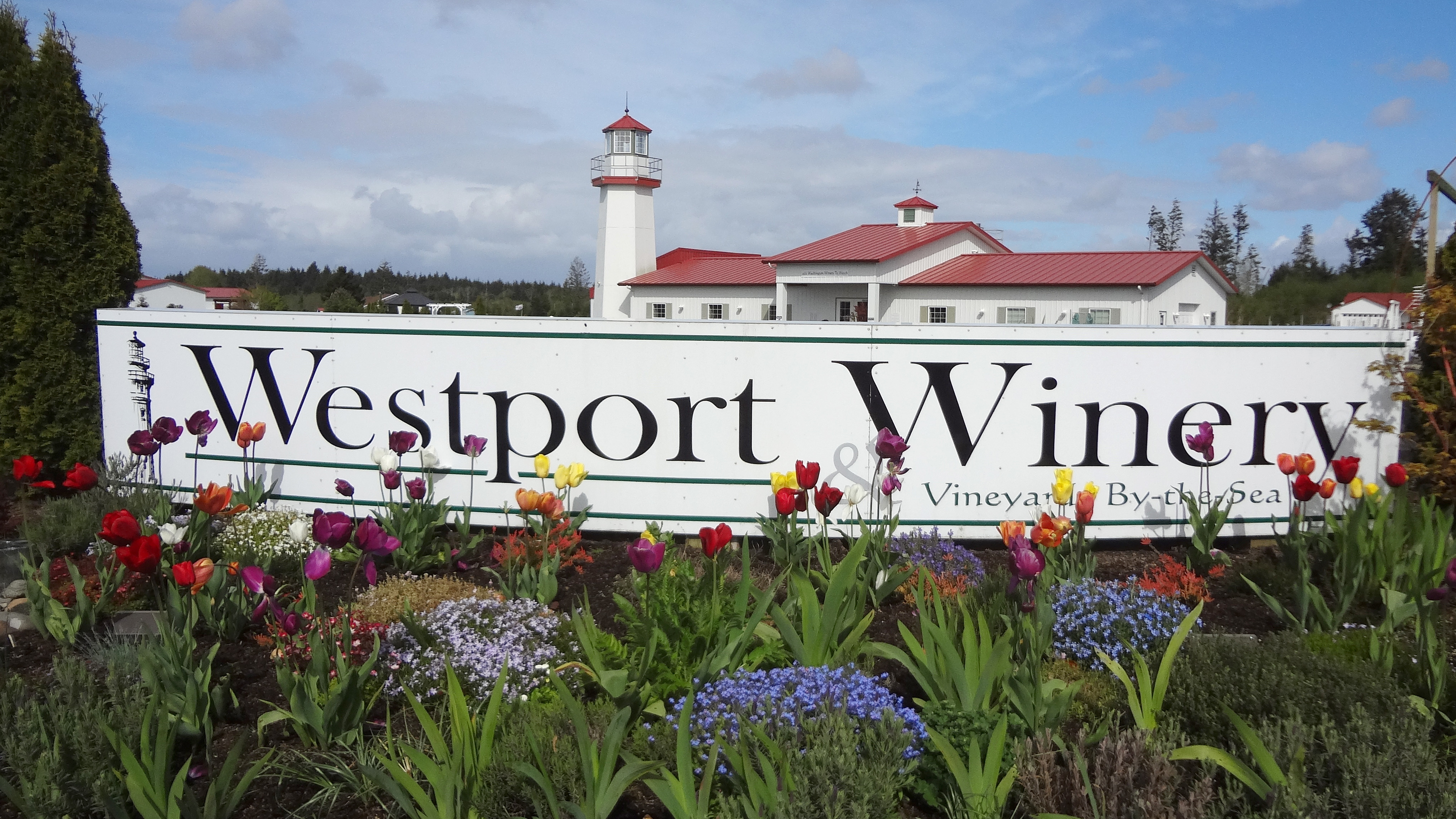
Westport Winery Wins Best of Class At West Coast Competition

Westport Winery Wins Best of Class At West Coast Competition

Submitted by Westport Winery Click here to view original web page at www.thurstontalk.com

Westport Winery earned the Best of Class award for their 2014 vintage of Mermaid’s Merlot at the West Coast Wine Competition held in Windsor, California, on February 6 and 7. For Westport this is a significant indication of the continuity and quality of their wines from year to year, as the previous vintage of Mermaid was ranked the number one Bordeaux wine under $30 in the Northwest in 2016 by Wine Press Northwest.

Director of Winemaking and co-owner of the resort, Dana Roberts said, “Our family has worked diligently for the past few years to solidify our grape sourcing with the top growers in the state. The result of this collaboration and partnership is our ability to provide our guests with top award-winning selections from any of our thirty-four wines and two hard ciders.” All Merlot grapes in this vintage were harvested within the Yakima Valley AVA, with 69% from Red Willow Vineyard, 30% from Two Blondes Vineyard, and 1% Syrah from Discovery Vineyard in the Horse Heaven Hills AVA.

In their tasting notes, Mermaid is described as “an enchanting floral bouquet with refreshing red fruit.” In their restaurant, the Roberts’ family recommends this wine be served with their char-broiled Kalbi beef ribs. In addition to food pairings, they uniquely offer music pairings as well, in this case, the song Landslide by Stevie Nicks. Each of Westport’s labels benefits a different local charity with a portion of the proceeds from this wine dedicated to the American Cancer Society’s Relay For Life of Grays Harbor. This is a charity about which they are most passionate since Dana’s sister and business partner, Carrie, the winery’s general manager and cidermaker, is a leukemia survivor. Their mother and business partner, Kim Roberts, a former Washington wine commissioner, is currently undergoing treatment for fallopian cancer.

Shorebird Chardonnay earned a gold medal at this competition with grapes from Connor-Lee Vineyard located near Othello, in the Columbia Valley AVA. A portion of the proceeds from this wine is devoted to the Grays Harbor Audubon Society. In their restaurant, it is recommended that this unoaked Chardonnay, described as “sophisticated, starbursts, clean and crisp” be enjoyed with fresh pan-fried oysters grown locally by their neighbors at Brady’s. The more modern music pairing with the song How I Feel by Flo Rida exemplifies the family’s unusual take on the wine business. Co-owner Blain Roberts said, “We think wine should be fun. Something to be enjoyed with your favorite foods, your favorite friends, and your favorite music. Beyond that, we don’t dictate a lot of rules.” The previous vintage of this wine earned Best of Class at the 2016 Savor NW wine competition, again, highlighting the winery’s commitment to continuity from vintage to vintage.

Additionally, each wine is commemorated in the gardens with sculptures created by local artists. Lisa Humbyrd Murphy welded the Mermaid sculpture located in the winery’s four-tiered Meditation Garden. Mike Peterson created the Shorebird sculpture located next to the winery’s 7.5KW solar array. The Mermaid label is a photograph by Blain Roberts. The Shorebird label is a watercolor by his surfing partner Darryl Easter.

In 2016 Westport Winery was honored as one of the top twenty most admired wineries in North America by Winery & Vineyard Management Magazine. It was named 2011 Washington Winery to Watch by Wine Press Northwest. They have been voted Best Winery by King 5 Evening Magazine six times. They were named the Best Washington Family Business Silver Medal winners in 2012, received the Grays Harbor Environmental Stewardship Award in 2015, and were name Best Winery, Best Wine Shop, and Best Boutique Winery for 2016 by South Sound Magazine.

Family-friendly Westport Winery Garden Resort, is located on the corner of Highway 105 and South Arbor Road halfway between Aberdeen and Westport. The resort (including the restaurant, bakery, plant nursery and 15-acre display garden) is open daily or breakfast, lunch and dinner from 8 a.m. to 7 p.m. Westport Winery’s second location, TASTING @ Cannon Beach, is located at 255 N. Hemlock. The Oregon tasting room is open daily from 11 a.m. to 6 p.m. For more information or reservations call 360-648-2224.

Explore Sonoita, Arizona's Completely Underrated Wine Region

Explore Sonoita, Arizona’s Completely Underrated Wine Region

You might not know it, but Arizona produces some really great wine. Our wines have been served in the White House and at James Beard dinners in New York, and they’ve earned ribbons and won medals just like some of the more famous wine-growing regions in the country.

Napa Valley can eat its (delicious, rave-worthy) heart out. There are about a dozen wineries that are making just-as-good, if not better, wines in Sonoita, Arizona’s southern wine-growing region. Most wines produced in Sonoita can be purchased at AJ’s Fine Foods, local beverage shops like Arcadia Premium, or ordered at Valley-area restaurants including FnB, Tarbell’s, and Beckett’s Table. Despite a tough climate, legal challenges, and living in the shadow of other well-recognized wine-growing areas in the country, Arizona wine has taken off in the last decade.

A crash course in Sonoita’s roots

Sonoita is located 161 miles south of Phoenix, about 50 miles south of Tucson, and a little over an hour southwest of the wine-growing region of Wilcox. Sonoita’s roots in wine date back to the 16th century. It also happens to be the first region in Arizona to have earned the American Viticultural Area (AVA) designation. Today, Verde Valley also has an AVA designation.

Just because we were among those who did it first, doesn’t necessarily mean we’ve been on top. It was illegal to grow grapes for wine in the Copper State between 1915 and the 1980s, and there have been roadblocks since. One of those comes in the form of climate. In Sonoita, the vineyards are perched at heights ranging from 3,800ft up to 6,000ft. The hot, dry climate is as brutal to vines as it is to delicate human skin — winemakers say it’s very easy to kill vines in this area if you’re not careful and diligent. If only keeping vines healthy were as easy as wearing sunblock and moisturizing.

The birth of Sonoita

The growing conditions are important when creating any wine, anywhere in the world. Not only do we have a very unique (read: rough and fairly unforgiving to plants and people alike) climate, but we have unique soil. Unlike the excruciating sun and whipping wind, our dirt is something scientists and wine growers from around the world could get excited about. In fact, expert vintners compare the soil in Sonoita to France’s Burgundy region.

Soil scientist Dr. Gordon Dutt is the grandfather of Arizona wine and saw Sonoita for the lush growing region it is. After testing soils from all over the state, he planted his first vines in the Sonoita soil in the early 1970s. Dutt thought that the soil and the arid climate would make the best wines possible — and he was right. Dutt’s first commercial vineyard, Sonoita Vineyards, now grows fantastic merlots, cabernet sauvignons, syrahs, petite sirah, and sangiovese, among others. But since the first vines took root, there have been some serious struggles.

Vintners battle Mother Nature every day

The climate in Sonoita is hot. It’s dry. It’s windy. It freezes. There are monsoons. Vines are even subject to sunburns, which can happen when an area is shaded and then exposed to direct, intense sunlight. Sun exposure can even affect the structure of the fruit, which plays into the type of wine. The climate plays such a large role in the composition of the wine, from the vine to the barrel.

“What makes a grape interesting is the story that it tells,” said Todd Bostock of Dos Cabezas WineWorks. Arizona wines have elements that taste, smell, and feel like this place.

Because Sonoita is still a young growing region, winemakers are continuing to experiment to find the vines that work best. “Vines have to get to know their site,” said traveling wine writer Elaine Brown, which means there’s a lot of trial, error, and replanting.

With that in mind, Sonoita winemakers carefully choose varieties that will thrive in difficult conditions. Ann Roncone, who moved from the Bay Area to grow grapes at an elevation of 5,100ft in Sonoita at Lightning Ridge Cellars, said Italian, Spanish, and French varietals do well. Here, you wouldn’t grow something like a pinot that typically thrives in cold and wet climates.

The exact timing of harvesting season varies year-to-year based on how spring and summer pan out — a mild spring makes for an early harvest and a cold winter and chilly spring mean that harvest is pushed back. Harvest is one big juggling act. After the fruit is picked from the vine it’s de-stemmed, crushed, pressed, and then fermented. After harvest the vines go dormant and essentially shut down. During this time, most winemakers are bottling and getting ready for their next year.

You can visit any of the wineries for tastings of recent harvests and those from years past at tasting rooms and post-harvest events. A new-release festival at Sonoita Vineyards showcased grapes from neighbor and white pinot producer Charron Vineyards, as well as wines from AZ Hops and Vines, Wilhelm Family Vineyards (which grows cabernet sauvignon, tempranillo, graciano, tannat, verdejo, petit sirah, and grenache), Lightning Ridge Cellars, and more.

How beer is helping “Free the Grapes”

Arizona wine has experienced a boom in growth over the last eight years. And our state’s craft brewers may be partially to thank. Beer legislation has directly impacted wine growth in the state. Basically, if beer can do it, wine should be able to do it too.

In 2016, the governor signed a bill dubbed “Free the Grapes,” which allows the purchase of wine over the phone and online. Previously, the law only allowed shipping from large-scale vineyards that met an established criteria — now the little guy gets to play. Arizona currently has 83 licensed wineries. And from what we have seen in recent years, we can only expect that number to expand.

What’s next?

Sonoita could be considered one big experiment where bold winemakers know the risks and take them anyway. Their efforts have captured the attention of aspiring growers, as more and more winemakers choose Arizona state as the place to plant their roots. Making wine in Southern Arizona may be laborious, but it’s also approachable and much more affordable (from a real estate perspective) than some other growing regions.

Growth isn’t just limited to Sonoita; it is happening across the state. Arizona’s Verde Valley, for instance, is booming and the home of a viticulture school called Southwest Wine Center, which teaches impassioned winemakers what they need to know about making wine. There’s even a wine incubator, called Four Eight Wineworks, in Clarkdale equipped with its own tasting room.

At a recent AVA meet-up Elaine Brown enthusiastically cheered, “You guys are kicking ass.” In terms of American wine, she said, “It really is a frontier here.”

Chinese Wine: The Grape Leap Forward

Chinese Wine: The Grape Leap Forward

Don’t tell it to French winemakers, but in 2015, the Chinese wine industry hit a major milestone by narrowly surpassing France in land dedicated to vineyards. With 7,990 square kilometers of grape-growing land concentrated mostly in China’s north-central and northwestern regions, the country now ranks second only to Spain and holds almost 11 percent of the world’s vineyards by land area.

Most experts estimate that the vast majority of these vineyards grow grapes for the table, not wine, but the statistic follows the trend of wine’s growing popularity in the Middle Kingdom. And China is now among the top 10 wine-producing countries in the world.

Quantity does not equal quality though in China, and before you start buying Great Wall wine at your local Family Mart, keep in mind that just a decade ago it was not uncommon for wine to be “cut” with Coca-Cola or Sprite at banquets to make it palatable. More than half of wine sold in China still retails for $5 or less, but that’s changing with the oeno-education of the growing middle class. If you ignore the plonk and the bulk of the products from the “Big Three” wine producers (Changyu, Dynasty and Great Wall make up 60 percent of the market) and search for passionate boutique wineries, you’ll be pleasantly surprised at the “New Latitude” wines coming out of China.

The history of wine in China is suprisingly long and impressive. A 4,600-year-old archaeological site at Rizhao in Shandong uncovered 200 ceramic pots that still held alcohol – including seven that were used for grape wine. During the Han Dynasty, grape seeds entered modern-day Xi’an, the terminal stop on the Silk Road, from Uzbekistan. It was noted at the time that the wine made from these grapes was sweeter – and easier to recover from – than wine from grains. During the Tang Dynasty, Chinese influence spread to Xinjiang, and the discovery of the “mare’s teat” grape, so-named for its elongated shape, led to a revival of wine in this sumptuous era.

China’s modern wine industry made its first real international splash in 2011, when four domestic reds were pitted against French Bordeaux in a blind taste test judged by an international panel in Beijing. Led by Grace Vineyard’s Chairman’s Reserve (one of the most-awarded domestic brands with vineyards in Shanxi and Ningxia), China won the competition. There was plenty of French grumbling about the outcome. Accusations of rigging were made, as the wines all had to retail for $100 or less, and that included the 48 percent tax China levies on the imported wines, but it still put Chinese winemakers squarely on the map. The same year, Helan Mountain (Ningxia) took home the first international trophy for China at the Decanter World Awards. In 2016, Chinese sommeliers upset their Old World counterparts by taking home the gold in a blind taste test at Château du Galoupet.

Today, there are more than 400 wineries scattered around China, from the New Latitude wines being made in Yunnan, a southeastern province bordering on Myanmar, Laos and Vietnam, to Bordeaux-style wines made in Shanxi, at approximately the same latitude as the famous French region. Ningxia is home to more than 100 wineries, earning it the generous nickname the “Napa of China.” The region started growing wine grapes in the 1990s and credits the dry climate for the quality of grapes, but it’s also famously cold, and the vines have to be buried in winter to keep them alive.

Big international names are getting involved too. Moët Hennessey has opened a vineyard (Ao Yun) on the Tibetan plateau in Yunnan, and Château Lafite Rothschild established a wine estate in Shandong province.

There’s still plenty of room for China’s thirst for wine to grow; locals consumed 1.5 liters per capita in 2013, way below the 51.9-liter average in France. But with the country’s massive population, that still means high numbers – fifth in the world as a matter of fact. And in 2013, China (including Hong Kong) surpassed France and Italy as the world’s largest consumer of red wine, as the color is considered lucky in China and makes up the bulk of wine consumption there. Chinese demand for red wines has driven up prices of Bordeaux and Burgundy at wine auctions, much to the chagrin of European and American wine collectors.

If you’re looking to sample some of China’s best boutique wines, several high-end restaurants and hotels around Shanghai now serve them (you can also sample some on a tour run by CB’s local partner). M on the Bund carries the most, with four options – Grace Vineyards, Helan Mountain, Kanaan (Ningxia) and Nine Peaks (Shandong) – while Napa Wine Bar & Kitchen sells Grace and Silver Heights (Ningxia).

The most widely distributed domestic wine in town is Kanaan, a Ningxia-based winery that snapped up the most awards in 2015. You can find bottles at Element Fresh, Lost Heaven, Chez Maurice and Egg (at chef’s tastings), as well as by the glass at Hakkasan. In addition, Peace Hotel, Shangri-La (both Jing’an and Pudong locations), Ritz Carlton Pudong and all Sofitel properties also carry Kanaan in their bars and eateries. Grace Vineyards sells direct to consumers on their Tmall store.

Click here to view original web page at culinarybackstreets.com

How to Buy the Best Possible Wine at the Grocery Store

How to Buy the Best Possible Wine at the Grocery Store

Or a liquor store. Or a gas station. Really anywhere but a wine shop. Because although wine shops are always preferable, sometimes it’s just not possible where you happen to be. Here’s how to get a decent bottle when you are left to your own devices in the beverage aisle.

Focus on varietals you know and love. I’m all about trying new things, but now is not the time for experimentation. You want to get out of there with something you’ll enjoy, not throw back with your nose plugged. For me, I would drink Gamay out of a deskside trash can if it came down to it, so I always go Beaujolais. That way even if it kinda sucks, it won’t suck that bad.

Find recognizable regions. And the more specific, the better, like Mount Etna in Sicily or the Carneros sub-region of Sonoma. Many wine producing regions have strict regulations winemakers must follow in order to list the region on the bottle. While a designated, regional wine doesn’t necessarily mean it’s going to be the best, it does mean it is held to a certain standard and is likely to be of better quality than a vague $5 one from “France.”

Keep climate in mind. The warmer the climate, the fruitier and sweeter the wine is. The cooler the climate, the more tart and acidic the wine. This is why a Pinot Noir from California can taste drastically different from a Pinot Noir from Oregon. While no one expects you to know every region’s climate off the top of your head, considering it and using your best judgment with what you remember of geography class will lead to better purchases than just grabbing a pretty label.

Take a look at the ABV. The Alcohol by Volume is listed on every bottle, and it can give you a good glimpse of what’s inside. The ABV is determined by how ripe the grapes were when they were picked. The higher the ABV, the richer the wine. If you like bigger, bolder wines you’ll do well with a higher ABV, like 13% or above. If you like lighter, drier wines, stick to wines with an ABV lower than 13%.

Read the whole label. Finding “Sauvignon Blanc” in a cool font tells you nearly nothing about the wine, so make sure to read both the front and back of the label. Often wineries will have their own tasting notes, and they also may tell you more about their winemaking, like the use of oak fermentation if you enjoy richer wines with hints of vanilla, or sustainability practices. This will prevent you from getting home and hating the bottle because you didn’t see they overused the word “buttery.”

Worst case scenario, just add… Let’s say you followed these tips and you still came home with a bunk bottle. Don’t dump it, just fix it up. For white wines, add sparkling water, a bit of citrus and whatever fruit you have in the fridge for a quick spritzer. For red wines, turn it into mulled wine or make a Kalimotxo by adding Coca-Cola. Yes, that is a thing. And too much will give you a hangover, but damn is it delicious.

Click here to view original web page at www.bonappetit.com

Half of U.S. Wineries Might Be Sold in the Next Five Years

Half of U.S. Wineries Might Be Sold in the Next Five Years

The Great Winery Sell-off of 2016 was just the beginning, both in the U.S. and abroad.

When billionaire Stan Kroenke, owner of Napa cult winery Screaming Eagle and a slew of sports teams (including the L.A. Rams), bought a majority stake in December in iconic estate Bonneau du Martray in Burgundy, France, shock waves ricocheted around the wine world. The historic property has belonged to the le Bault de la Moriniere family since the French Revolution. Its grand cru Corton-Charlemagne is one of the planet’s great white wines.

But that was only one of many high-profile wineries and vineyards to trade hands last year. In California and Oregon, more than 35 were sold.

Get ready for 2017: The Silicon Valley Bank’s State of the Wine Industry 2017 report, released on Wednesday, predicts a continuing vineyard land grab this year.

“This sell-off phenomenon is not a real estate bubble,” insisted author Rob McMillan, founder of the bank’s wine division.

The Silicon Valley Bank serves both the tech industry and the wine industry; about half its 350 west coast winery clients are in Napa. This gives the bank unique insights into what’s happening and what will happen next in the U.S. wine world. McMillan’s annual missive has become the industry’s yearly report card. This year, he looked back at the trends in 2016 and tackled what to expect in 2017, using the entertaining framework of the movie, Jaws.

Blood in the Water

“In the wine business, there is blood in the water. The fishing is for premium wine assets,” he noted in a section on land and mergers and acquisitions. More buyers want prime land in prestigious areas with fewer and fewer plantable acres. Sellers of the top estates can bargain hard as prices spiral upward.

In a survey of U.S. winery owners, for example, McMillan found that 30 percent were considering or expecting a sale during the next five years; an additional 20 percent said a sale during that time frame was “possible.” That’s a lot of wineries and land that might come on the market.

A prime reason the sell-off will continue, he said, is that baby boomers are aging and want to retire. That’s the story behind the October sale of Oregon pinot noir estate WillaKenzie. Owner Bernard Lacroute had just turned 73, and his children had no interest in taking over the business.

Many boutique wineries are also selling out to bigger wine companies for financial help, easier access to top grapes, and marketing muscle and hustle. It’s become harder and harder for even the best small brands to get their bottles on retail shelves. One of my favorite Sonoma pinotmakers, Copain, and two pioneers in Oregon, WillaKenzie and Penner-Ash, joined the list of wineries owned by Jackson Family Wines in 2016.

The payoff can be incredible. Former rock promoter Charles Smith, known for his frizzy white hair and wines with weird names made from purchased grapes, founded his Washington State winery in 1999. In October, he sold his five core brands to giant Constellation for $120 million. Smith is staying on to make the wines. That’s the new way to sell out.

European Sell-Off

The SVB report doesn’t cover Europe, but in the Old World, a great sell-off is in full speed, too. Here, succession problems come to the fore, often involving inheritance taxes on land that has recently become incredibly valuable, threatening the ability of families to hold on to historic estates. Top vineyards in Burgundy now bring as much as €4 million per hectare ($1.7 million an acre). Bonneau du Martray’s estate manager, Jean-Charles le Bault de la Morniere, one of the four brothers who retain a minority share, said the family sold to ensure “the future of the estate.”

In Italy, sales of historic wineries such as Vietti (Barolo) and Biondi-Santi (Brunello di Montalcino) to outside investors have sparked serious controversy. Local winemakers are worried that regional wine cultures will change and that the younger generation will be shut out when vineyards come on the market at high prices.

Reshaping the Winescape

A host of trends outlined in the SVB report explain the current land rush from the buyers’ perspective, as well as why it will continue in 2017. Among the most important are the stronger dollar, improving economy, and ever-increasing consumer demand worldwide—especially for more expensive wines as drinkers jettison cheap generics.

Large U.S. wine companies such as Jackson Family Wines want to grab additional premium wineries for their international vineyard empire while they’re still available, locking in supplies of high-quality pinot noir and cabernet.

“Debt is inexpensive right now, and there are amazing wineries on the market,” said David Bowman, executive vice president, who likes to call the Jacksons “the Medici family of the wine business.”Half of U.S. Wineries Might Be Sold in the Next Five Years

Let’s not forget ego, curiosity, and passion as buyer motivations. The dream of owning a vineyard is still going strong; 2017 will feature good buys in Oregon, where prime vineyards still cost one-tenth the price in Napa, and in Bordeaux, where such Chinese buyers as Jack Ma have been joined by wine lovers from elsewhere.

American Tom Sullivan, founder of Miami-based Lumber Liquidators, was captivated by a vineyard in Tuscany, but in 2016 he plunked down money for four small organic estates in Bordeaux, where, he said, “the prices were way lower.”

Bottle Shock

So what does all this selling and buying mean for wine drinkers in 2017? It’s a mixed picture. If you want to purchase a vineyard, you’ll have a lot of choices.

On the other hand, prices of the some luxury wines may begin to rise. Grape prices both drive and reflect land values, said McMillan. If a vineyard costs $700,000 an acre, the grapes generally have to cost $10,000 a ton (the going rate for top cabernet grapes in Napa), “and that translates into a minimum of $100 a bottle.”

For passionate wine lovers, an even bigger question is what will happen to the quality of the wines made by sold-off wineries. Will the juice keep its allure?

That all depends on who buys what and whether the talented winemaker stays on, as has been happening more frequently.

Billionaires often sink far more money into a property than makes financial sense in the short term, only to end up subsidizing quality. Wine lovers will be the beneficiaries of such long-term thinking.

At least, that’s what we hope.

Click here to view original web page at www.bloomberg.com

‘Sustainable’ Sonoma wine could fetch $7-a-bottle more, survey says

‘Sustainable’ Sonoma wine could fetch $7-a-bottle more, survey says

U.S. wine consumers are willing to pay more for wine — up to several dollars more per bottle — produced using “sustainable” practices, according to new research presented at a Sonoma County grapegrower seminar in Santa Rosa on Thursday.

Three years into a big push by Sonoma County Winegrowers to have all vineyards in the county deemed sustainable by 2019, the trade group revealed new consumer survey results strongly suggesting there could be more black than red in the return-on-investment calculation.

Karissa Kruse, president of Sonoma County Winegrowers, called the local effort, industry response and consumer acceptance part of a “sustainability revolution.”

“Five years ago, this would not have been on anyone’s radar,” she said to an audience of a couple hundred at the group’s annual Dollars & Sense Seminar and membership meeting. “We’ve created something here.”

Sixty-three percent of consumers who buy $15-plus bottles of wine and drink it more than twice monthly and who know about Sonoma County wines and the Sonoma County Sustainable certification would pay a premium of more than $5 a bottle for that assurance, according to results of the survey, conducted by Wine Intelligence. The average potential premium was $7.28, thanks to the 33 percent willing to pay more than $10 more.

Of Sonoma County-informed “regular” wine consumers, 40 percent of respondents would pay at least a $5 premium.

The United Kingdom-based firm considered a pool of 235 million U.S. adults, 40 percent of which are deemed “regular” wine consumers, consuming it at least once a month, and 16 percent frequent premium-wine drinkers. The online and email surveys were conducted in December with a sample of 2,010 regular U.S. wine drinkers in the Wine Intelligence Vinitrac panel, 804 of which were frequent consumers of fine wine. Survey results were returned to the trade group last week.

ARE THEY BUYING ‘SUSTAINABLE’?

But do consumers actually buy certified-sustainable wines? The new survey and others suggests they do.

More than two-thirds (68 percent) of core-consumer respondents in the Wine Intelligence survey stated that they would be more likely to buy wine certified as sustainable. Over half these consumers (56 percent) purchased bottles labeled with such certification at least in the past month, working out to 21 million of the 235 million U.S., and 27 percent did so in the past week, or 7 million, according to the survey.

So far, 85 percent of the Sonoma County vineyards, or 1,223 sites, have been assessed under the Sonoma County Sustainable program, and 60 percent had undergone the additional step of having a third-party auditor visit. This year, the program started tracking certified wineries, and the list has grown to 43.

Other certification programs are California Sustainable Winegrowing Alliance, Lodi Rules, SIPS Sustainable and Demeter’s Biodynamic. The Wine Intelligence survey found that the California program ranked highest in consumer concern, followed close behind by Sonoma County Sustainable. Biodynamic ranked last.

TRADE SKEPTICISM

Interest among consumers and trade buyers such as restaurants and retailers in wines certified as Biodynamic or labeled as “natural” is waning, said Geoff Kruth, president of the 11,000-member Guild of Sommeliers (guildsomm.com), based in Petaluma. He was part of a panel at the seminar on sustainability in the wine business.

“Sometimes, it was an excuse to sell those wines,” Kruth said about “natural wine.” He said such terms have been latched onto by wine-focused media, then seen as less exciting when the next green product adjective enters the spotlight.

Click here to view original web page at www.northbaybusinessjournal.com

Wine, Women and Subtle Sexism

Wine, Women and Subtle Sexism

Most enology graduates are women, so why aren’t there more women winemakers? James Lawrence asks.

To the casual observer, it’s a reasonably enlightened time for women in the global wine industry.

Some 35 years ago, women winemakers in nations such as Chile and the US were almost unheard of, as noticeable in their absence as balanced, terroir-driven wines were then.

But times change, if only gradually. As of December 2016, approximately 10 percent of all Californian wineries have women winemakers, while the number of female winemakers in Santa Barbara County is about 20 percent. In addition, the number of female sommeliers and wine professionals continues to rise globally. “When I started in the wine industry in 1978 there was one woman winemaker; today there are dozens. Women winemakers are no longer a novelty,” says Eileen Crane, CEO of Domaine Carneros.

The world of wine is still a long way from being an equal-opportunities employer. Particularly when one considers that the gender balance is roughly equal in most nations and I have never met a winemaker – excluding Emma Gao from Silver Heights – who wasn’t white, heterosexual and Caucasian (although that’s an issue for another day). “The current estimation of women in the Australian wine industry is 8-10 percent,” says Fiona Donald, senior winemaker at Seppeltsfield Wines. “How can this be when, at graduation, the gender ratio is 50:50?”

Indeed, educators constantly remind us that girls do better at school and college, they work harder and more diligently, achieve better results, break more records. So why doesn’t this translate into more female applicants?

“From personal experience, what is required of a winemaker at harvest time is not family-friendly. So, if you decide to have children, you and your family have to navigate who is the primary care-giver and, if it’s you, what are you and your family going to do at vintage? Some families cannot make it work and so sometimes it is the woman who pulls away from her chosen career,” says Donald.

“There have always been hard-working and resourceful women in the wine industry however their contributions often get overshadowed,” adds Australian winemaker Susan Mickan. “Men, in my experience, are far more comfortable in saying ‘I’; I did this or I did that, my idea etc. Women generally are far more inclusive, they tend to use the terms ‘we’, ‘us’, ‘together’. So it’s also a case of contributions being overlooked or not being seen.”

Nonetheless, despite Mickan’s assertions about a lack of visibility, it is plain as a pikestaff that women are still sorely underrepresented in the wine industry overall. Moreover, while the family incompatibility argument rings true to an extent, surely not all would-be female winemakers want children? What about the millions who balk at the idea of sleepless nights and a moribund sex life?

Equally, some of California’s most expensive and renowned wines – Colgin, anyone? – are overseen by women. Which surely proves that winemaking is a rewarding career regardless of your sex, a path that many women would aspire to. Or is it?

“I think that making wine is a truly awful job. It is hard work, akin to working on an oil rig, lugging big pipes around. My niece is an engineer on a North Sea oil rig for BP; she is also a captain in the Territorial Army. These are two jobs that I can only imagine as horrible as winemaking. There are few women who would want to do either of these jobs,” argues Bartholomew Broadbent of Broadbent Selections.

However, Eileen Crane suggests that this issue stretches beyond the demands of harvest time. “There is a boy’s club feel in many wineries, and hiring women changes that,” she says.

Such accusations of sexism are, of course, levied at many industries, particularly in areas like engineering, aviation and the armed forces. Yet, the general perception is that wine is a “nice” or softer industry, full of passionate professionals who love their craft.

But is the wine business, in actual fact, a bit sexist and even bigoted?

“I would say that in some American wineries, there is a macho and, probably, homophobic element,” answers Broadbent. “There are plenty of wineries which are not sexist but a lot are.”

His views are borne out by a cross-section of winemakers, working in both the US and Australia. Fiona Donald recalls an incident where a colleague suggested that she had slept with a senior male in the company to get her job, although she insists the occurrence of such an accusation was a one-off.

Others are more damning in their verdict. “There is definitely machismo in the wine industry; I have heard a general manager of a large wine business say that if he had his way he would employ only 30-year-old males, as they have a ‘hunger in their bellies’. It’s about setting up a culture that is competitive and combative. This is not an environment where everyone thrives,” observes Susan Mickan.

She continues: “I started in the wine industry where it was customary for suppliers to hand out ‘girly’ calendars and for offices to have posters of naked women. This overt sexism doesn’t exist anymore, but subtle sexism is still strongly practiced. Dealing with subtle sexism is far more difficult. You can change behavior – ie banning nude posters, but changing attitudes? The fact that we are still talking about remuneration discrepancies for the same work between men and women shows that there is still sexism within all industries.”

Her counterparts in the US also have similar tales to tell. “There is certainly less resistance these days, but just last harvest I walked by a table of visitors with a dismembered solenoid valve in one hand and a wrench in the other. When asked what I was doing, a gentlemen said he was surprised that I even knew what a solenoid was,” says Napa stalwart Cathy Corison.

Of course, identifying that sexism exists is very straightforward, tackling the issue is another matter altogether. It raises the essential question – what initiatives will achieve lasting change?

Eileen Crane suggests that such change can only come at the very top of the corporate structure. “What I believe the industry can do is include more women on board of directors. Boards that include women are more likely, in my opinion, to hire women CEOs. Women CEOs are more likely to hire women managers or winemakers,” says Crane.

“The majority of students in the UC Davis enology department today are women. So the interest of women is there. The educational qualifications are there, they just need someone to open the door to their first winery job. That door opening is likely to come from the trickle-down from the top,” she adds.

Meanwhile Fiona Donald stresses the importance of wineries adopting more flexible working arrangements. “Women are coming into the industry but leaving,” she says. “The wine companies who seek to retain experienced female winemakers who are starting families, are negotiating flexible working arrangements, different roles, temporary positions etc. This is a realistic approach to the realities of life.”

And while nobody is suggesting that miracles will happen overnight, most agree that the industry had made, as the late Christopher Hitchens was fond of saying, progress of a kind.

“When I started selling wine in the US back in the 1980s, there were very few women working for wine distributors,” Bartholomew Broadbent says. Today, most companies, beyond the big liquor distributors (which still tend to be macho and chauvinistic environments) have large proportions of women among their sales staff.”

Or, as Cathy Corison so eloquently describes: “Over the last four decades, women have become involved at all levels in wineries and vineyards. The pipeline is full of hardworking, talented women ready to step into top positions. Patience is hard, but our society is slowly but surely moving toward gender-blind hiring. The question is – in which lifetime will it be fully achieved?”

Winery uses data, drones, falcons to mitigate warming

Climate change means winemakers are trying to become more energy-efficient and make their product using less water

On a misty autumn morning in Sonoma County, California, Katie Jackson headed into the vineyards to assess the harvest. It was late in the season, and an army of field workers was rushing to pick the grapes before the first rains, however faint, began falling.

However, on this day, Jackson, vice president of sustainability and external affairs at Jackson Family Wines, was not just minding the usual haul of cabernet, chardonnay and merlot grapes. She also checked on the sophisticated network of systems she had put in place to help crops adapt to a changing climate.

Jackson, along with her siblings and mother, owns and operates Jackson Family Wines, one of the largest family-owned winemakers in the US. Best known for its Kendall-Jackson chardonnay, a supermarket staple, the family also produces dozens of other wines on five continents. After decades in the business, the Jacksons are sensitive to slight variations in the weather, and they are convinced of one thing: It is getting hotter and drier, and that could be a problem.

As California endures a years-long drought, the Jacksons, like other winemakers, are grappling with new realities. Grapes, though a surprisingly resilient crop, are ripening earlier. Nights are warmer. Aquifers are running dry.

As a result, the region’s wine country has become a laboratory for the reshaping of agriculture nationwide. Because, of course, it is not just California that is warming up.

The Jacksons are going beyond the usual drought-mitigation measures. They are using owls and falcons to go after pests drawn by the milder winters. They are finding new ways to capture rainfall, and since fossil-fuel consumption is one of the biggest drivers of climate change, they are trying to become more energy efficient, in part through the use of old-school farming techniques.

Climate change is forcing the Jacksons to confront questions both practical and existential: Can you make fine wine with less water? Will good grapes still grow here in 20 years? What will become of an industry central to California’s identity, one that says it contributes US$114 billion per year to the US economy?

Wearing jeans, a plaid shirt and hiking boots, her hair pulled back in a loose ponytail, Jackson, 30, caught a ride with one of the vineyard managers to a hill overlooking the picturesque Alexander Valley, an area that produces some of California’s best wines.

At the peak, she stopped to inspect a shed housing the recently updated belly of the vineyard’s irrigation system. Inside was a new energy-saving variable-frequency drive that allows for more precise, efficient watering.

Nearby was a solar-powered weather station. If the sensors decide it has become too cold in the middle of the night — climate change, of course, does not mean it is always hot — new wind machines would automatically start circulating warm air to protect the vines.

Beside that was an owl box — occupied — part of an effort to control pests without pesticides, and just below the peak was a man-made reservoir, one of more than 100 added to manage what is any farm’s most precious resource: Water.

Several reports suggest that rising temperatures around the globe could imperil major winemaking regions in the coming decades. One study suggested that by 2050, many regions in Europe, including much of Italy and swaths of southern France, could become unsuitable for wine grapes. The same study suggested that California production could fall by 70 percent by the century’s midpoint.

Winemakers in the region are noticing distinct changes that signal a hotter, drier future.

The Jacksons have also begun analyzing their crops with increasingly sensitive tools. Jackson recently installed devices that measure how much sap is in the vines. They transmit the data over cellular networks to headquarters, where software calculates how much water specific areas of vineyards do or do not need.

“Data-driven farming,” Jackson said.

The Jacksons are also monitoring their crops using drones equipped with sensors that detect moisture by evaluating the colors of vegetation. The wrong color can indicate nutritional deficiencies in the crops, or irrigation leaks.

“Previously, it would require an experienced winemaker to go and look at the grapes,” said Clint Fereday, the company’s director of aviation. “Now we can run a drone, tag an area of the vines with GPS, and go right to the spot that has a problem.”

Jackson’s husband, Shaun Kajiwara, is a vineyard manager for the company, overseeing the grapes that go into many of the upscale labels. Walking through rows of vines that will yield US$100 bottles of wine, he said that in recent years the company has begun planting new vines that send roots deeper into the soil, drawing more ground water and requiring less irrigation.

The company also began sanitizing the 193,056-liter tanks it uses to blend chardonnay with ultraviolet light instead of water. There is an elaborate new rainfall capture system, and workers have devised a system to recycle the water used to wash barrels. In total, these efforts are saving 106 million liters each year in the company’s California wineries.

“Each year we’re finding more and more ways to make use of this water that was going down the drain,” said Sam Jamison, general manager of the label La Crema.

Click here to view original web page at www.taipeitimes.com