CrushBrew Editorial
The best wine education doesn’t happen in a classroom. It happens at a table, with three or four bottles open, people you like asking questions you were afraid to ask in public, and something to eat that makes the wine taste different from one sip to the next. Home wine tastings, winemaker dinners, and regional tours are the three most effective ways to move from casual wine drinker to genuinely informed one — and all three are more accessible, more affordable, and more fun than the formal wine education pathway suggests. Here’s what each format offers, how to choose the right one, and how to get the most out of whichever you try.
◆People learn more about wine at home than in a tasting room — The relaxed environment removes the intimidation that stops most people from asking the questions they actually want answered. “What makes a wine good?” is a question people ask at a kitchen table, not at a $75-per-person winery experience where they feel watched and judged.
◆Side-by-side comparison is the single most effective wine education tool — Tasting three different Pinot Noirs from three different regions side by side teaches more about terroir and style than reading about it for an hour. The comparison forces your palate to find the differences rather than accepting the description of them.
◆A winemaker dinner changes how you think about the person behind the bottle — Hearing a winemaker explain why they made a specific decision — why they picked early that year, why they chose French over American oak, what the 2022 frost did to their Chardonnay — connects the liquid in the glass to the decisions that produced it. It’s the fastest way to develop a genuine vocabulary for wine.
◆Regional wine tours are most valuable when they go off the beaten path — Visiting Napa’s most famous estates is a beautiful experience. Visiting three family-owned wineries in the Sierra Foothills or Verde Valley where the winemaker pours for you personally is a different kind of education — more personal, more memorable, and frequently more revealing about what wine can be at human scale.
◆The theme is everything in a home tasting — “Let’s open some wine” produces a pleasant evening. “Let’s taste four Gamay wines from different producers and figure out which one we’d buy a case of” produces an evening that stays with people for years. The more specific the theme, the more the tasting teaches.
In This Article
The Home Wine Tasting — How to Structure One That Actually Teaches Something
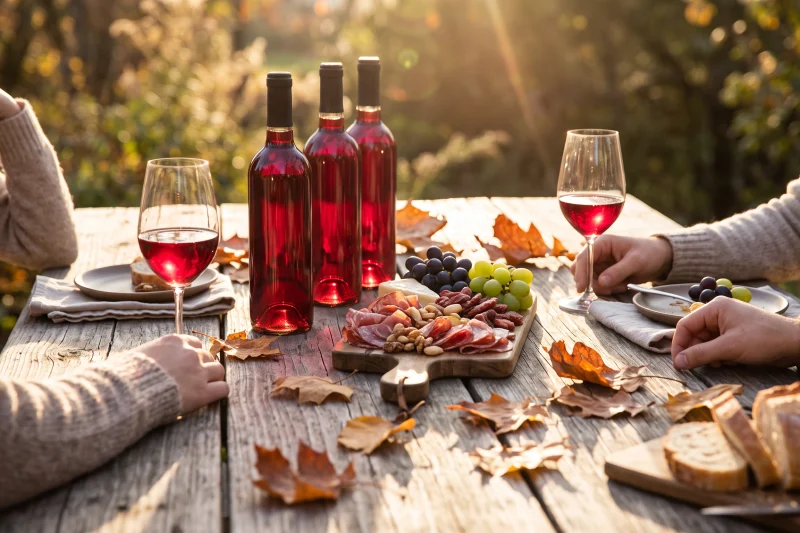
The home wine tasting works as an educational format for a specific reason: people ask questions they wouldn’t ask in public. The intimidation that keeps many wine drinkers from engaging seriously with what they’re drinking — the fear of using the wrong word, of not knowing the right answer, of looking unsophisticated — largely evaporates around a kitchen table with friends. This isn’t a small thing. It’s the environment that enables genuine learning.
The difference between an educational tasting and an enjoyable evening with wine is structure. The structure doesn’t need to be formal or complicated — it just needs a theme, a flight order, and a reason to pay attention to what’s in the glass rather than the conversation. The best home tastings have all three.
Theme: The most effective tastings compare wines that share one variable and differ on another. Same grape, different regions: three Sauvignon Blancs from New Zealand, the Loire Valley, and California. Same region, different producers: four Beaujolais crus from Marcel Lapierre, Jean Foillard, and two others. Same producer, different vintages: two bottles of the same wine five years apart. Any of these immediately reveals something that description alone cannot: the actual, perceptible difference that terroir, producer philosophy, or time creates.
Flight order: Always move from lighter to fuller, drier to sweeter, younger to older. Starting with a heavy red and moving to a delicate white destroys your palate for the lighter wine. The standard sequence — sparkling, whites light to full, rosé, reds light to full, dessert — exists for good reason.
Attention: Give each wine two minutes before the conversation overtakes it. Look at it, smell it, taste it, and say one thing out loud about what you notice — anything at all. The act of articulating forces you to find the words, and finding the words is how vocabulary develops.
Tasting Themes That Work — Eight Ideas Worth Trying
Eight Home Tasting Themes That Teach Something Real
Old World vs. New World — The same grape from a European producer and a New World counterpart: French Burgundy vs. Oregon Pinot Noir; Châteauneuf-du-Pape vs. California Grenache blend; Alsace Riesling vs. New Zealand Riesling. The comparison immediately illustrates what climate, terroir, and winemaking philosophy do to the same variety.
Blind tasting by price — Number four bottles, taste them blind, rank them by preference and by estimated price. Then reveal. The results are almost always surprising — and almost always the same lesson: price is an unreliable predictor of preference. This exercise is both educational and genuinely fun.
Single varietal across regions — Four expressions of the same grape: Pinot Noir from Burgundy, Oregon, Central Otago, and California. Or Syrah from the Northern Rhône, Australia, California, and Washington State. Isolating the grape and varying the geography reveals terroir more clearly than any other format.
Oak vs. no oak — The same producer’s oaked and unoaked versions of the same wine side by side — many Chardonnay producers make both. The direct comparison demonstrates what barrel aging actually adds to and takes away from a wine more effectively than any description.
Vertical tasting — The same wine from two or three consecutive vintages: a bottle from three years ago and one from this year. What changed? What stayed the same? The vintage variation reveals how weather shapes wine more vividly than a weather chart could.
Wine with and without food — Taste a tannic red wine neat, then with a piece of aged cheese or charcuterie. Taste a high-acid white neat, then with something slightly salty. The transformation is immediate and dramatic — and it’s the most useful practical lesson about why wine and food pairing matters.
The underrated grape tasting — Gamay, Grüner Veltliner, Albariño, Mencía, Vermentino — four wines built around varieties most guests have never tried. The discovery format works especially well with curious drinkers who are ready to move beyond the familiar varietals.
Sparkling wine comparison — Champagne, Crémant d’Alsace, Prosecco, Cava, and an English sparkling wine side by side. The differences in production method, base grape, and regional character are immediately detectable — and the exercise challenges the assumption that “sparkling wine” is a single category.
Winemaker Dinners — What to Look For and How to Find Them
A winemaker dinner is a multi-course meal at which each course is paired with a wine from a specific producer, and the winemaker (or a representative from the winery) is present to discuss each wine. They’re held at restaurants, wine bars, wine shops, and private homes — and they range from formal sit-down affairs to casual walk-around events with passed appetizers.
The educational value of a winemaker dinner comes from the conversation, not the food. A winemaker explaining why they chose to pick early that year, what the difference is between their Reserve and their Estate bottling, or why a specific vineyard block produces a different character than the one adjacent to it — that’s information you cannot get from reading a label or a tasting note. It connects the liquid in the glass to the decisions behind it, which is what transforms a wine from something you drink into something you understand.
How to find them: Wine shops with strong buying programs host winemaker dinners regularly and advertise through their mailing lists and social media — follow your local specialty wine retailer. Restaurants with serious wine programs (typically identifiable by having a dedicated sommelier) do the same. Wine regions with active producer associations — Napa, Sonoma, the Loire Valley on US tour, Beaujolais importers — organize their own dinner events, often around harvest season. The importer is often the most useful contact: distributors and importers frequently organize dinners around visiting winemakers and invite their retail and restaurant accounts. If your wine shop carries French or Italian imports, ask them who’s visiting from which domaine this season.
What to ask: The one question that opens everything else at a winemaker dinner is the simplest: “What was different about this vintage?” Every winemaker has a strong answer to this question — and the answer reveals their priorities, their philosophy, and what they think makes their wine specific to its time and place.
Regional Wine Tours — How to Choose and What to Get Out of Them
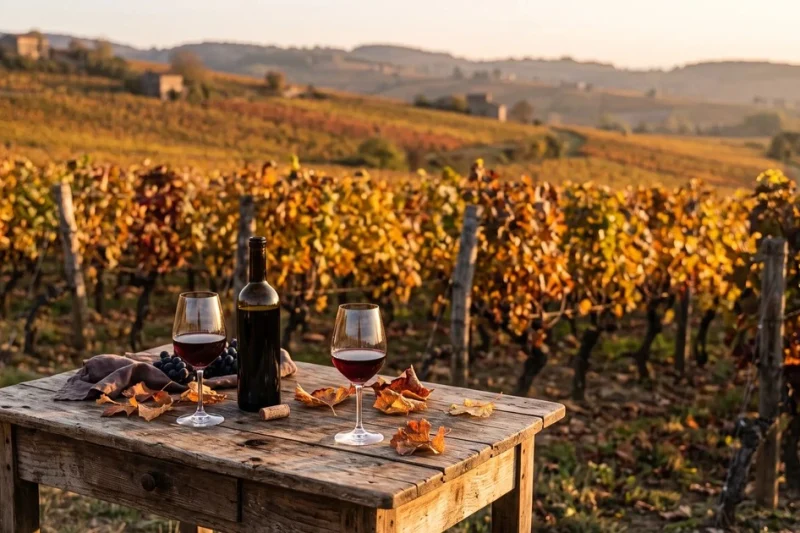
A wine tour takes you to the wine rather than bringing the wine to you — and the change of context changes what you taste. Standing in a vineyard, looking at the soil, feeling the afternoon heat or the cool canyon breeze, and then tasting the wine that came from those vines creates a connection between place and flavor that tasting the same wine at home cannot replicate. Terroir is easier to understand when you’ve stood on the terroir.
The most common mistake on wine tours is choosing the most famous destinations. The great Napa estates are genuinely impressive — but the experience is often polished to the point of removing the personal contact that makes wine tours educational rather than ceremonial. The most valuable tours tend to go slightly off the beaten path: smaller regions, family-owned operations, places where you meet the person who made the wine and can ask them why they do what they do.
How to Choose a Wine Tour — What Matters
Small group size — The smaller the group, the more you learn. A tour of four people generates real conversation with the winemaker; a tour of forty generates a presentation. Most organized wine tours offer options; choose the most intimate format available even if it costs more.
Winemaker access — The best tours include at least one stop where the winemaker or owner pours and talks. Ask the tour operator specifically: “Will we meet the people who make the wine?” The answer tells you immediately how much you’ll learn versus how much you’ll simply taste.
Thematic coherence — A tour that visits three wineries sharing a common thread — all Rhône varieties, all biodynamic, all women winemakers, all under-$30 producers — is more educational than a tour that samples the region broadly. The comparison between three producers who’ve made different choices with the same raw material is where understanding develops.
Off-the-beaten-path options — Some of the most interesting wine touring in the United States is in regions people don’t immediately think of: the Sierra Foothills east of Sacramento, the Verde Valley in Arizona, the Willamette Valley’s smaller AVAs, the Finger Lakes in New York. These regions combine genuinely compelling wine with the personal access to winemakers that famous regions can’t offer at scale.
Frequently Asked Questions
Wine Tasting Experiences: Common Questions Answered
How many wines should I serve at a home tasting?
Four is the ideal number for a structured tasting flight — enough to reveal meaningful differences between wines, not so many that palate fatigue sets in and the later wines can’t be assessed accurately. If you want to taste more than four wines, structure the evening as two separate flights of three or four wines each, with a food break in between to reset the palate.
Should a home wine tasting be blind?
For educational purposes, yes — at least initially. Knowing the label before tasting introduces bias: people’s impressions are influenced by what they expect a wine to taste like, by the price they know was paid, and by the prestige of the producer. Tasting blind and then revealing the bottles afterward is more revealing and more honest. The blind format also tends to produce more animated conversation when the results surprise people.
What’s the best way to find a winemaker dinner near me?
Follow your local specialty wine shop’s mailing list and social media — retailers with strong buying programs host winemaker dinners regularly and advertise them to their customers. Restaurants with serious wine programs (identifiable by having a dedicated sommelier) do the same. Wine importers frequently organize dinners around visiting winemakers; asking your wine shop which importers they work with and getting on those importers’ lists puts you in the path of winemakers touring the US.
How do I choose a wine tour that’s educational rather than just fun?
Ask two questions before booking: “How many people are in the group?” and “Will we meet the winemakers?” Small groups and direct winemaker access are the two variables that most reliably produce educational value alongside the enjoyment. A tour that answers both questions positively is worth paying more for than a large-group tour of famous wineries where the educational content is pre-packaged and the conversation is one-way.
Do I need to know a lot about wine to enjoy a home tasting or winemaker dinner?
No — and the home tasting format specifically works because it removes the intimidation that formal wine settings create. The most useful question at any wine event is the simplest one: “What do you taste?” or “Which one do you prefer?” Beginning from personal preference rather than correct knowledge is both more honest and more educational. What makes a wine good is a varietal that brings a smile and starts a conversation — everything else builds from there.