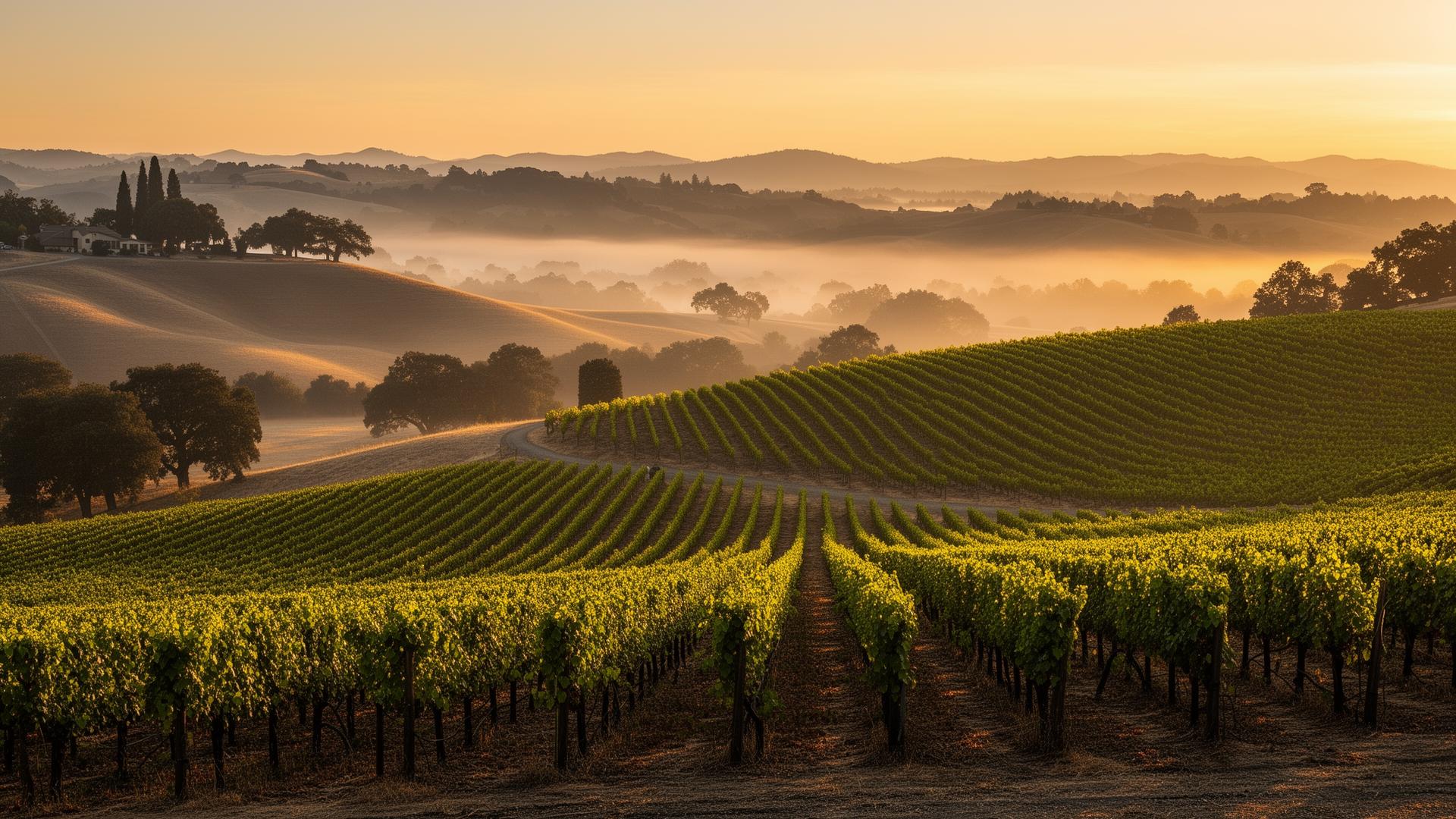
Wollersheim Winery: From Hungarian Nobleman to Third-Generation Wisconsin Winemaker
In the 1840s, a Hungarian nobleman named Agoston Haraszthy looked at the south-facing slopes above the Wisconsin River near Prairie du Sac and saw a vineyard. He planted vines, incorporated Wisconsin’s first village across the river, and then followed the Gold Rush to California in December 1849 — where he went on to help develop that state’s wine industry too. The winters defeated his Wisconsin vines. But he saw something in that hillside that proved him right: nearly 180 years later, those same slopes are still producing wine. Wollersheim Winery, Distillery and Bistro at 7876 Highway 188 is a National Historic Site, an institution of Wisconsin food and wine culture, and — with Celiine Coquard Lenerz recently named as its third-generation Head Winemaker — at the beginning of its most interesting chapter yet.
In This Profile
The History — From Haraszthy to Wollersheim to Coquard
The story of Wollersheim Winery begins with one of the most improbable characters in American wine history. Agoston Haraszthy was a Hungarian nobleman who arrived in Wisconsin in the 1840s, looked at the south-facing slopes above the Wisconsin River near what would become Prairie du Sac, and saw a wine region. He planted vines and incorporated Wisconsin’s first village — Sauk City — across the river from his winery. Wisconsin’s winters proved too harsh for the European grape varieties he brought. In December 1849 he followed the Gold Rush west to California, where he became a pioneering figure in that state’s wine industry. The man who saw wine in Wisconsin saw it in California too — and California’s climate agreed with him.
After Haraszthy, Peter Kehl — a German immigrant — took over the property, built many of the limestone structures that still stand today, and planted American grape varieties better suited to Wisconsin’s climate. The Kehl Winery operated for decades before the property passed through several hands.
In 1972, Robert and JoAnn Wollersheim established the property as Wollersheim Winery, planting French-American hybrid grape varieties on the hillside slopes and building the modern winery that became the most recognized wine destination in Wisconsin. The Wollersheims recognized something Haraszthy had seen 130 years earlier: the south-facing slopes above the Wisconsin River, with their microclimate moderated by the river below, were genuinely capable of producing serious wine. Not Napa Valley wine. Not Loire Valley wine. Something distinctly Midwestern and entirely their own.
National Historic Site — What It Means
Wollersheim is listed on the National Register of Historic Places — one of very few American wineries to hold this distinction. The original 1850s limestone buildings and wine cellars built by Peter Kehl remain intact and in use. The wine caves carved into the hillside in the mid-19th century still hold wine today. When you visit Wollersheim you are standing in a building that has been making wine, in various forms, for over 150 years.
The Family — Three Generations and a New Chapter
The Coquard family arrived at Wollersheim when Philippe Coquard — a winemaker trained in France — joined the winery and eventually became President and Head Winemaker. He married Julie Wollersheim, daughter of founders Bob and JoAnn. In 2026, Philippe celebrated his 40th harvest at Wollersheim — four decades of winemaking in Wisconsin that produced the wines, the reputation, and the family that now runs the entire operation.
The announcement that his daughter Celine Coquard Lenerz would become the next Head Winemaker marks one of the more remarkable generational transitions in American winery history. Celine is the granddaughter of Bob and JoAnn Wollersheim. She grew up at the winery, worked alongside her father, and steps into the role with both the inherited knowledge of a family that has made wine here for decades and the fresh perspective of a new generation finding its own voice.
The Wines — Prairie Fume, Ice Wine, and the Full Range
Wollersheim specializes in French-American hybrid grape varieties — varieties bred to withstand Wisconsin’s winters while producing wine of genuine character. These are not the internationally recognized varieties of Napa or Burgundy; they are the grapes that make wine in Wisconsin possible at all, and Wollersheim has spent fifty years learning exactly what each one can do.
The Distillery — Bourbon, Brandy, and Beyond
Tom Lenerz — Celine’s husband and Distiller — runs a spirits program that operates alongside the wine operation with the same commitment to local sourcing and quality production. The distillery produces bourbon (including a Family Reserve Bourbon and a 10-Year Bottled in Bond Bourbon that released December 2026), brandy, and other spirits.
The brandy program connects directly to Wisconsin’s deep brandy tradition — the state consumes more brandy per capita than any other in the US, a heritage dating back to 19th-century German and Scandinavian immigrant communities who brought their brandy-drinking culture with them. Wollersheim’s brandy is a natural expression of that regional tradition, made from estate fruit with the same ground-to-glass philosophy as the wine program. The 10-Year Bottled in Bond Bourbon is the spirits program’s most ambitious release — aged a decade, meeting the federal Bottled in Bond requirements for age, proof, and single-distillery production.
Visiting Wollersheim — What to Expect
Wollersheim is a complete destination — winery, distillery, bistro, historic site, and event venue all in one riverside property 25 miles northwest of Madison. The experience is distinctly unhurried; this is a place that rewards spending half a day rather than an hour.
Visit Wollersheim Winery, Distillery and Bistro
Address: 7876 Highway 188, Prairie du Sac, WI 53578
Phone: 1-800-VIP-WINE (847-9463)
Hours: Open daily year-round. Monday-Thursday noon-5pm; Friday 11am-6pm; Saturday 11am-5pm; Sunday noon-5pm (summer hours; verify current hours at wollersheim.com)
Location: 25 miles northwest of Madison
Web: wollersheim.com
The Ice Wine sells out quickly after each release. Get on the mailing list. The wine cave dinner is the most distinctive experience on the property — worth planning a trip around.