Introducing the World’s Most Sought-After Champagne
CrushBrew Editorial · Wine · Champagne · 7 min read
In two small walled plots in the grand cru village of Aÿ, in the heart of Champagne, the most extraordinary vineyards in France are tended entirely by hand. The vines growing there were never grafted onto American rootstock, which means they survived the phylloxera epidemic that wiped out virtually every other vineyard in Europe between 1863 and 1900. They are among the only pre-phylloxera vines on earth still producing wine commercially. Each year, they yield fewer than 3,000 bottles. The wine they produce, Bollinger Vieilles Vignes Françaises, is one of the rarest and most coveted Champagnes in the world — and one of the few bottles that genuinely tastes like something that no longer exists.
In This Article
- What was phylloxera and why does it matter to this wine?
- What makes these vineyards so unusual?
- How is Vieilles Vignes Françaises made?
- Who created Vieilles Vignes Françaises and why?
- What does it taste like and what do critics say?
- How do you acquire a bottle?
- Frequently asked questions
- Vintage reference guide
What Was Phylloxera and Why Does It Matter to This Wine?
Phylloxera vastatrix — “the devastator” — is a microscopic aphid-like insect native to North America that feeds on the roots and leaves of European grapevines. American vine species had evolved alongside phylloxera and developed natural resistance; European Vitis vinifera varieties had not. When phylloxera arrived in France in the 1860s, probably on imported American vine specimens, it spread with catastrophic speed. Within 40 years it had destroyed an estimated 6 million acres of European vineyards, collapsing wine industries across France, Germany, Italy, Spain, and Portugal.
Definition
Grafted vs. Ungrafted Vines
The solution to phylloxera, developed in the late 19th century, was grafting: taking cuttings of European Vitis vinifera vines — the species that produces all classic wine grapes — and grafting them onto root systems of phylloxera-resistant American vine species. The result is a vine with European fruiting wood on American roots — producing grapes with the varietal character of the European vine, but protected from phylloxera by its American root system. This is how virtually every wine vine in Europe, and most vines worldwide, has been grown since around 1890. An ungrafted vine — called a “francs de pied” or free-footed vine in French — is a vine growing on its own original roots, with no grafting. Ungrafted vines that predate the phylloxera era, or that somehow survived it, are extraordinarily rare. They produce wine with a character that many tasters describe as fundamentally different from grafted vines — more complex, more expressive of terroir, and with a texture that cannot be replicated through any modern technique.
The solution the industry adopted — grafting European vines onto American rootstock — saved European viticulture, but it changed it permanently. What a vine grown on its own roots tastes like is a question that can now be answered only in the very few places where pre-phylloxera ungrafted vines survived. Bollinger’s two plots in Aÿ are among the most significant of those places on earth.
What Makes These Vineyards So Unusual?
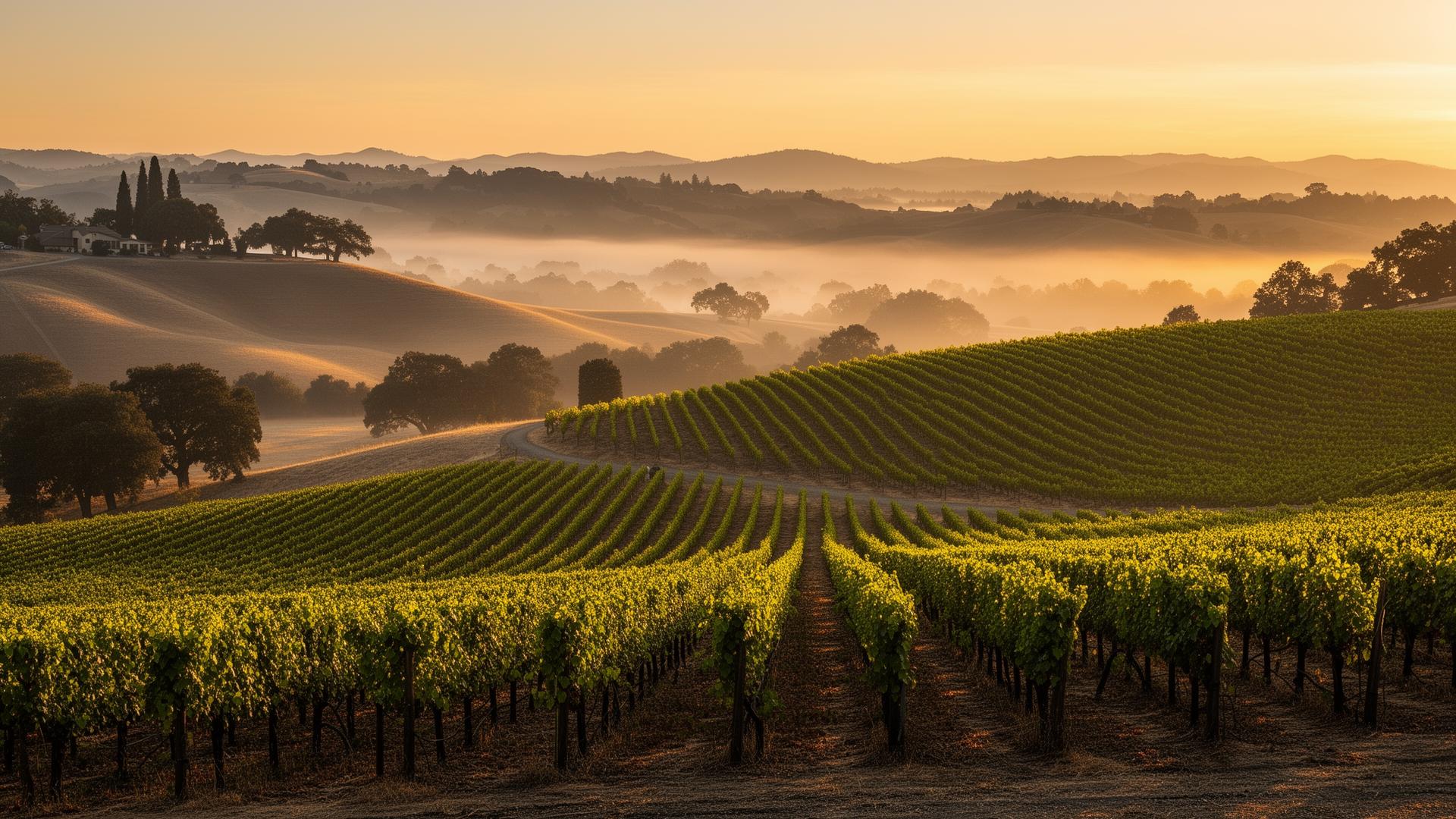
Bollinger owns two walled plots — known as clos — in the grand cru village of Aÿ in the southern Montagne de Reims: Clos Saint-Jacques (0.21 hectares) and Chaudes Terres (0.15 hectares). Together they cover less than half an acre. The vines growing there survived phylloxera for reasons that remain not entirely understood — the combination of soil composition, drainage, and the walled protection of the clos may have created conditions unfavorable to the pest’s spread. Whatever the reason, they were never grafted, and they remain ungrafted today.
The method used to tend and propagate them is equally extraordinary. Called en foule provignage — “in a crowd, by layering” — it dates to pre-industrial French viticulture and has essentially disappeared from modern winemaking. Rather than planting new vines from nursery cuttings, the provignage method guides existing vine stems back into the soil, where they take root and grow as new plants while remaining connected to the parent vine. The result is a densely planted, organically self-propagating vineyard with no clear rows or regular spacing — a messy, biologically complex tangle of vines that can be tended only by hand and that requires approximately 1,500 labor hours per acre per year, compared with around 400 hours for a conventionally planted vineyard. A horse is used to work the soil, as no machinery can navigate the planting density.
Definition
Blanc de Noirs
Champagne produced entirely from black-skinned grapes — in this case, 100% Pinot Noir — made into white wine by pressing the grapes very gently so that the juice has minimal contact with the dark skins, which contain the pigment that would otherwise color the wine. Blanc de noirs (“white wine from black grapes”) is one of the most technically demanding styles of Champagne to produce, since any prolonged skin contact can tint the wine. When done correctly, a blanc de noirs Champagne displays the structural weight, depth, and vinous character of Pinot Noir in a brilliant, golden-to-pale-amber wine. Vieilles Vignes Françaises is one of the most celebrated blanc de noirs in Champagne — some critics consider it the finest expression of the style in the world.
How Is Vieilles Vignes Françaises Made?
The harvest from the two clos typically takes about 40 workers one morning to complete, usually in late August or early September — often among the first grapes harvested at Bollinger because the ungrafted vines ripen slightly earlier than the rest of the estate. Each vine produces only two or three grape clusters, a yield that is low even by the standards of premium Champagne production. The grapes, exclusively Pinot Noir, are pressed in a small two-ton press located adjacent to the vineyards.
Only the cuvée — the first and finest portion of the press — goes into Vieilles Vignes Françaises. After resting for a day, the juice is poured into French oak barrels, some of them more than a century old. Bollinger deliberately uses old, neutralized barrels to eliminate any oak, toast, or tannin influence on the wine; the barrels provide oxygen exchange and micro-environment rather than flavor. The house maintains its own cooperage specifically to repair these barrels rather than replace them — a commitment to consistency that is essentially unmatched in Champagne.
Over six to seven months, malolactic fermentation occurs, converting harsher malic acid into softer lactic acid and contributing the creamy, rounded texture that characterizes the wine. One vintage fills six to nine barrels — sometimes fewer. The wine then spends eight to twelve years in Bollinger’s cellars, stored under natural cork rather than the metal caps used by most producers, allowing each barrel to evolve slightly differently. Disgorging — the removal of accumulated sediment — is done by hand, as it has been since the wine’s first vintage in 1969.
Who Created Vieilles Vignes Françaises and Why?
The wine exists because of one woman’s decision, at the age of 70, to make something that had never been made before.
Madame Lily Bollinger — née Elisabeth Law de Lauriston-Boubers, married into the Bollinger family in 1931 — became the sole head of the house in 1941 when her husband Jacques died, and ran it for the next three decades with a combination of commercial instinct, personal charisma, and an absolute commitment to quality. She is the woman who, when asked when she drinks Champagne, gave the most quoted answer in the wine world’s history: “I drink it when I’m happy and when I’m sad. Sometimes I drink it when I’m alone. When I have company I consider it obligatory. I trifle with it if I’m not hungry and drink it when I am. Otherwise I never touch it — unless I’m thirsty.” She died in 1977, but her mark on Bollinger — and on Champagne — is permanent.
In the 1960s, wine writer Cyril Ray suggested to Madame Bollinger that the two ungrafted clos deserved to be vinified separately. She agreed. In 1969, to coincide with her 70th birthday, the first vintage of Vieilles Vignes Françaises was produced. It was released commercially in 1974. Within a short time it had become what John Kapon, chairman of Acker auction house, has called “one of the original cult Champagnes.”
What Does It Taste Like and What Do Critics Say?
Vieilles Vignes Françaises occupies a category of its own within Champagne. It is a blanc de noirs — white Champagne made entirely from Pinot Noir — and it carries the structural weight, depth, and vinous richness that implies. But the ungrafted vine character adds a dimension that tasters consistently struggle to articulate precisely: a density, a textural completeness, a depth of flavor that seems to go beyond what the grape variety alone should produce.
What consistently marks the critical response to Vieilles Vignes Françaises across decades of vintages is the description of a wine that tastes like a bridge to another era — the Champagne Bollinger’s managing director Charles-Armand de Belenet has described as allowing those who taste it to “rediscover the flavour of the first champagnes.” Whether or not that precise claim is verifiable, what is verifiable is that this wine consistently produces reactions from experienced tasters that no other Champagne reliably produces: the sense that something categorically different is happening in the glass.
How Do You Acquire a Bottle?
Vieilles Vignes Françaises is not impossible to find, but it requires intention. It is not the kind of wine that appears on a restaurant wine list or a grocery store shelf. The channels for acquiring it are limited and specific.
Current releases (the 2014 and surrounding vintages) retail at approximately $1,800 per bottle where available. This is not a wine most people will ever buy. But understanding what it is — what its existence represents, what the ungrafted vines mean, what the en foule method costs in labor, what it means that fewer than 3,000 bottles of any given vintage exist in the world — is its own kind of education in what wine, at its most serious and most historically connected, is capable of.
Frequently Asked Questions About Bollinger Vieilles Vignes Françaises
🍾 Bollinger Vieilles Vignes Françaises — Vintage Reference
Available vintages, critical scores, and collector notes
| Vintage | Notable Score | Drinking Window | Notes |
|---|---|---|---|
| 2016 | 97 pts — Wine Spectator | 2026–2040+ | Current release; available at specialist retailers |
| 2014 | 99 pts — Suckling (2025); 96 pts — Parker (2024) | 2024–2040 | ~$1,817 avg retail; one of the most recently reviewed |
| 2013 | 97 pts — Parker (2022) | 2023–2038 | Dried fruits, Turkish delight, hazelnuts, sweet almonds |
| 2012 | 98 pts — Parker (2023) | 2023–2035 | Superb vintage; warm dry conditions with cool nights |
| 2008 | 99 pts — Suckling (2025) | Now–2038 | Price jumped 113% 2021–2022; auction market ~$3,000+ |
| 2001 | — (Not released) | N/A | Withheld — did not meet Bollinger’s standards |
| 1969 | First vintage | Collector/museum | Created for Madame Lily Bollinger’s 70th birthday; released 1974 |
Scores and drinking windows from Wine-Searcher, Decanter, and individual critic publications. Prices are approximate retail averages and fluctuate. For current availability and pricing, use Wine-Searcher.com or contact a specialist retailer.