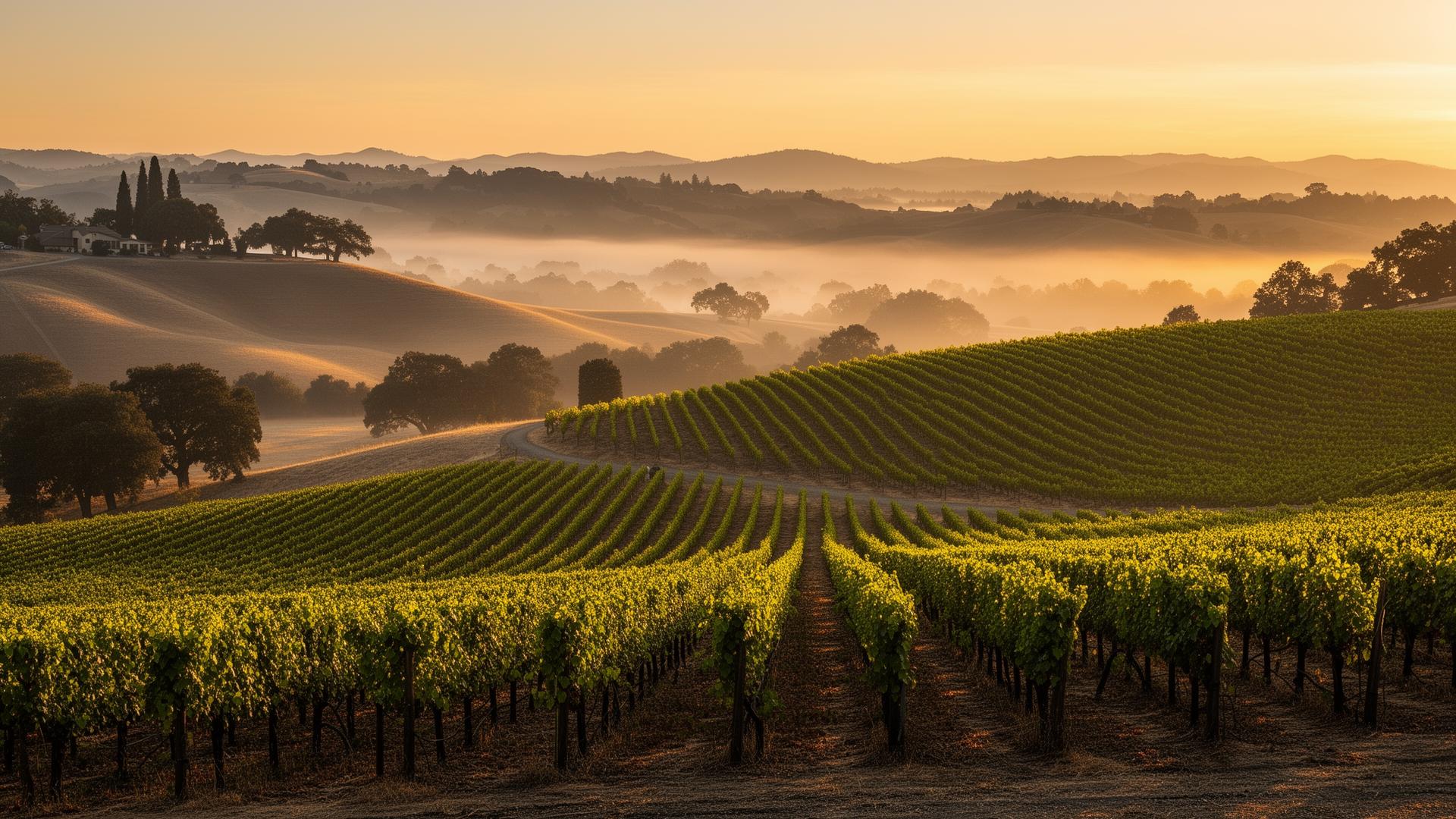
The friends who come back from South Africa’s Cape Winelands all say the same thing: they knew the wine would be good, but they did not expect the scenery. Vineyards climbing the lower slopes of the Franschhoek Mountains. Cape Dutch homesteads dating to the 1680s framed by oak trees and dramatic granite peaks. The Helderberg range turning gold in the late afternoon above a Stellenbosch tasting room where you are drinking a Cabernet Sauvignon that would cost three times as much from a comparable Napa estate. The Cape Winelands deliver on every dimension that makes wine travel worth doing — great wine, great food, great landscape, genuine history — and they do it at a value proposition that no other major wine region in the world currently matches. In 2016, the CEO of Visit Napa Valley said Stellenbosch had the potential to rival Napa. In 2026, the question is no longer potential. It is whether you have booked your flights yet.
◆The Cape Winelands offer world-class wine at a fraction of what comparable quality costs in Napa or Bordeaux — South Africa’s Rand exchange rate and the lower cost of living in the Western Cape mean that tastings, meals, and accommodation at genuinely excellent wine estates are significantly more affordable than their European or Californian equivalents. A full-day tasting experience at multiple estates with a wine-paired lunch costs less in the Cape Winelands than a single tasting flight at a comparable Napa estate.
◆The region has three distinct characters — Stellenbosch for serious wine, Franschhoek for food and intimacy, Constantia for convenience — Stellenbosch is the wine capital: 150+ estates, the oldest wine route in South Africa (established 1971), and the region’s most acclaimed Cabernet Sauvignon and Pinotage. Franschhoek is the food capital: founded by French Huguenots in 1688, with more top-rated restaurants per square kilometer than anywhere else in Africa. Constantia is a wine-producing suburb of Cape Town — 20 minutes from the city center — for visitors who want wine country without leaving the city’s orbit.
◆Chenin Blanc is South Africa’s most distinctive variety — and the one most worth seeking out — South Africa has more old-vine Chenin Blanc than anywhere else in the world, including the Loire Valley where it originated. Old-vine Chenin Blanc from the Swartland and Stellenbosch — sometimes over 50 years old, farmed without irrigation on dry-farmed bush vines — produces wines of extraordinary complexity and longevity. If you visit the Cape Winelands and drink only Cabernet Sauvignon, you have missed what makes South African wine genuinely irreplaceable.
◆The scenery rivals any wine region in the world — The Cape Winelands sit in the valleys and lower mountain slopes of the Western Cape, where the Stellenbosch, Franschhoek, and Simonsberg mountains create dramatic backdrops to every vineyard vista. Cape Dutch architecture — the distinctive whitewashed gabled homesteads built by Dutch settlers in the 17th and 18th centuries — is preserved across dozens of estates in a way that no European wine region can match because the buildings are both genuinely historic and extraordinarily photogenic.
◆The best time to visit is the Southern Hemisphere’s late summer and harvest season — February through April — The Cape Winelands harvest runs February through April, when the vineyards are at their most active and most beautiful. The weather is warm, dry, and settled. Estates open their cellar doors for harvest tastings and experiences that don’t exist at other times of year. Wine Town Stellenbosch runs annually in late July through early August — nine days of curated wine events across the region — for those visiting in the Southern Hemisphere winter.
In This Guide
Stellenbosch — The Wine Capital
Stellenbosch is the engine of South African wine. The largest wine-producing town in the Cape Winelands, it is home to over 150 wine estates, South Africa’s oldest wine route (established 1971), and the country’s most prestigious wine university — Stellenbosch University’s Department of Viticulture and Oenology, which trains most of South Africa’s serious winemakers. The town itself is a university town of oak-lined streets, Cape Dutch architecture, and a young, cosmopolitan energy that distinguishes it from the more sedate atmosphere of Franschhoek.
The Stellenbosch wine style is built around Cabernet Sauvignon — deep, structured, and capable of genuine aging in a way that reflects the valley’s combination of warm days, cool nights, and well-drained granite and sandstone soils. Pinotage — South Africa’s own grape variety, a cross between Pinot Noir and Cinsault created at Stellenbosch University in 1925 — finds some of its finest expressions here. Chenin Blanc, Syrah, and Bordeaux-style red blends complete a range that gives the region one of the widest stylistic spreads of any wine appellation in the world.
Stellenbosch — What to Know
Distance from Cape Town: 45 kilometers east — approximately 45 minutes by car.
Wine style: Full-bodied reds led by Cabernet Sauvignon and Pinotage; serious whites from Chenin Blanc and Chardonnay; Bordeaux-style blends.
Sub-regions worth knowing: Simonsberg-Stellenbosch (higher elevation, cooler, more elegant reds); Banghoek (granite soils, complex whites); Helderberg (maritime influence, structured Cabernet Sauvignon).
Must-visit estates: Waterford (the Wine & Chocolate pairing experience is legendary — ten artisan chocolates paired with ten different wines; book in advance, it sells out daily); Lanzerac (one of the most beautifully preserved Cape Dutch homesteads in the region, dating to 1692, operating as a five-star hotel with serious Pinotage); Delaire Graff (owned by jeweler Laurence Graff, with spectacular mountain views and one of the region’s finest art collections alongside the wine).
Wine Town Stellenbosch 2026: July 25 through August 2 — nine days of curated wine experiences, tastings, and events across the region. The major annual wine festival.
Franschhoek — The Food and Wine Village
Franschhoek means “French Corner” in Afrikaans — named for the French Huguenot refugees who settled the valley in 1688, bringing with them the winemaking and culinary traditions of their homeland. The valley they chose is one of the most dramatically beautiful in the Cape: a single main street surrounded on three sides by mountains, with vineyards climbing the lower slopes and Cape Dutch architecture lining the road. It is smaller, more intimate, and more consciously refined than Stellenbosch — and it has more top-rated restaurants per square kilometer than anywhere else in Africa.
The food and wine pairing at Franschhoek is the main event. Babylonstoren — the most photographed wine estate in South Africa — has a 3.5-hectare garden, a farm-to-table restaurant called Babel overlooking the farm, and a greenhouse spa that turns a winery visit into an all-day experience. Boschendal, one of the oldest and grandest estates in the Winelands (1685), offers wine, food, and farmstay accommodation in Cape Dutch buildings that are among the most photographed in the country. Haute Cabrière is famous for its cellar restaurant built inside a mountain, where the chef sabres open Champagne-method bottles at the table.
The Franschhoek Wine Tram — a hop-on, hop-off tram-and-bus combination visiting eight wine estates along scenic routes through the valley — is one of the best wine travel experiences in the Southern Hemisphere. It is legitimately fun, genuinely informative, and solves the practical problem of how to visit multiple estates without designating a driver for the day.
Constantia — Wine Country in the City
Constantia is the oldest wine-producing area in South Africa and one of the most convenient for visitors staying in Cape Town. Located in the southern suburbs of the city — 20 to 30 minutes from the V&A Waterfront — Constantia allows wine country visits without leaving the city’s orbit. The area produces distinctive Sauvignon Blanc and Semillon influenced by the cool Atlantic breezes that funnel through the Constantia Valley, with red wines that are lighter and more elegant than the fuller-bodied Stellenbosch style.
Groot Constantia — the oldest wine estate in South Africa, dating to 1685 — is a national heritage site and operating winery, producing Gouverneurs Reserve and other wines from the same slopes where South African wine began. Buitenverwachting and Klein Constantia are among the other serious producers in the valley. The famous Vin de Constance from Klein Constantia — a natural sweet wine made from Muscat de Frontignan, mentioned in Jane Austen’s Sense and Sensibility as a cure for heartbreak — is one of South Africa’s most celebrated wines and the most historically significant bottle to take home from a Constantia visit.
What to Drink — Chenin Blanc, Cab Sauv, Pinotage, and More
Cape Winelands Varieties — What to Seek Out
Chenin Blanc — The variety that makes South Africa irreplaceable. South Africa has more old-vine Chenin Blanc — some vines over 50 years old, dry-farmed on bush vines without irrigation — than anywhere else in the world, including the Loire Valley where the grape originated. Old-vine Chenin Blanc from Stellenbosch and the Swartland produces wines of extraordinary complexity: honeyed, textured, with an acidity and longevity that rivals great white Burgundy. If you try one South African white, make it old-vine Chenin Blanc. Producers to look for: Ken Forrester, Raats Family Wines, Kleine Zalze.
Cabernet Sauvignon — The variety that built Stellenbosch’s international reputation. The combination of warm days, cool nights, and well-drained granite and sandstone soils produces Cabernet of genuine depth and structure — dark fruit, cedar, and firm tannins that soften beautifully with age. At its best (Kanonkop, Meerlust, Rust en Vrede) it is among the finest Cabernet produced anywhere outside Napa and Bordeaux, at a fraction of the price.
Pinotage — South Africa’s own grape variety, created at Stellenbosch University in 1925 by crossing Pinot Noir and Cinsault. Controversial among wine purists (at its worst it can be jammy, rubbery, and harsh) and beloved by South African wine enthusiasts (at its best it is complex, earthy, and genuinely distinctive). The best Pinotage producers — Kanonkop, Beyerskloof, Simonsig — produce wines that make a compelling case for taking the variety seriously. Try it before dismissing it.
Syrah / Shiraz — The variety gaining most momentum in the Cape Winelands right now. The cooler sites in Stellenbosch and the emerging Swartland region are producing Syrah of genuine Northern Rhone elegance — peppery, mineral, and complex rather than the ripe, jammy Australian Shiraz style. La Motte in Franschhoek produces an exceptional estate Syrah; Boekenhoutskloof is the benchmark producer in the broader Western Cape Syrah conversation.
Cap Classique (MCC) — South Africa’s Champagne-method sparkling wine, produced from Chardonnay and Pinot Noir using the same traditional method as Champagne. Quality has improved dramatically in the last decade; the best Cap Classique from Graham Beck, Simonsig, and Babylonstoren rivals mid-tier Champagne at a fraction of the price. The default celebratory wine in the Cape Winelands and an excellent starting point for any tasting day.
Estates Worth Visiting
Cape Winelands Estates Worth Your Time
Babylonstoren (Franschhoek) — The most photographed wine estate in South Africa and one of the most complete experiences in the Winelands. The 3.5-hectare biodynamic farm garden, Babel restaurant serving farm-to-table cuisine overlooking the vineyards, greenhouse spa, farm cottages for overnight stays, and serious wines including the Sprankel Cap Classique. Arrive for breakfast, stay for lunch, leave at dusk. Worth planning an entire day around.
Waterford Estate (Stellenbosch) — The Wine & Chocolate pairing experience — ten artisan chocolates paired with ten different Waterford wines — is one of the most memorable wine experiences in the Cape Winelands. Book in advance; it sells out daily. The estate Cabernet Sauvignon and the Waterford Estate blend are among Stellenbosch’s finest.
Kanonkop (Stellenbosch) — The benchmark for South African Pinotage and Cabernet Sauvignon. If you want to understand what these varieties can do in the Winelands at their absolute best, Kanonkop is the reference point. The Paul Sauer — a Bordeaux-style blend — is among the most celebrated wines produced in South Africa.
Lanzerac (Stellenbosch) — One of the most beautifully preserved Cape Dutch homesteads in the region, dating to 1692 and operating as a five-star hotel. The tasting experience is unhurried and the wines — particularly the Pinotage and the red blends — have genuine sense of place. Easy to arrive for a tasting and find yourself staying for dinner.
Klein Constantia (Constantia) — Home of Vin de Constance, one of South Africa’s most historically significant wines — a natural sweet Muscat mentioned in Jane Austen’s Sense and Sensibility. The estate also produces excellent Sauvignon Blanc and Semillon from the cool Constantia Valley. Essential for visitors staying in Cape Town.
Boschendal (Franschhoek) — One of the oldest and grandest estates in the Winelands (1685), with Cape Dutch buildings that are among the most photographed in the country. The picnic experience — a hamper of local produce eaten on the lawns under oak trees — is one of the iconic Cape Winelands experiences. The wines, led by the Blanc de Noir and the estate Chardonnay, are consistently excellent.
Planning Your Visit — When to Go, How to Get Around
Practical Guide to the Cape Winelands
Best time to visit: February through April — the Southern Hemisphere’s late summer and harvest season. Warm, dry, settled weather; vineyards at peak beauty; harvest activity at estates. November through January is peak summer but can be very hot. July through August is winter — cooler and quieter, and the dates for Wine Town Stellenbosch 2026 (July 25-August 2).
Getting around: A rental car gives maximum freedom but requires a designated driver. The Franschhoek Wine Tram is the best no-driving option in that valley — hop-on, hop-off, multiple routes, genuinely enjoyable. For Stellenbosch, private wine tour operators from Cape Town offer full-day guided experiences visiting three to four estates with a wine-paired lunch; this is the most popular approach for first-time visitors and an excellent way to navigate the region’s 150+ estates with expert guidance. Many operators combine Stellenbosch and Franschhoek in a single full day — the towns are 30 minutes apart.
From Cape Town: Stellenbosch is 45 kilometers east — 45 minutes by car. Franschhoek is 75 kilometers — about an hour. Constantia is 20-30 minutes from the city center.
Where to stay: Cape Town city for a base and day trips; or stay within the Winelands at one of the estate hotels — Babylonstoren, Lanzerac, Boschendal, and several others offer overnight accommodation in genuine wine estate settings that are among the finest hotel experiences in Africa.
Budget note: The South African Rand exchange rate makes the Cape Winelands significantly more affordable for American and European visitors than comparable wine regions. A full-day wine tour with lunch, five to six estate tastings, and premium wine purchases will cost a fraction of an equivalent Napa Valley day trip. This is one of the best value-to-quality propositions in international wine travel right now.
Frequently Asked Questions About the Cape Winelands
Cape Winelands: Common Questions Answered
Is South Africa’s Cape Winelands worth visiting for a serious wine traveler?
Absolutely — and it is arguably the best value wine travel destination in the world right now. The wine quality is genuinely world-class, particularly for Chenin Blanc, Cabernet Sauvignon, Syrah, and Cap Classique sparkling wine. The scenery — Cape Dutch architecture, mountain backdrops, dramatic valley landscapes — rivals any wine region on earth. And the combination of the Rand exchange rate and the regional cost of living means that world-class wine experiences are available at prices that are difficult to match in Napa, Burgundy, or Tuscany.
What is the difference between Stellenbosch and Franschhoek?
Stellenbosch is the wine capital — larger, with 150+ estates, a university town atmosphere, and the region’s most acclaimed Cabernet Sauvignon and Pinotage. Franschhoek is the food and wine village — smaller, more intimate, with more top-rated restaurants per square kilometer than anywhere else in Africa, and a French Huguenot heritage that shows in both the cuisine and the wine style. Both are essential and they are only 30 minutes apart — most visitors see both in a single day.
What South African wine should I try first?
Old-vine Chenin Blanc — it is the variety that makes South Africa genuinely irreplaceable. South Africa has more old-vine Chenin Blanc than anywhere else in the world, producing wines of extraordinary complexity and longevity from vines over 50 years old. After Chenin Blanc, try a serious Cabernet Sauvignon from Stellenbosch (Kanonkop or Meerlust are benchmarks) and a Cap Classique sparkling wine from Graham Beck or Babylonstoren to round out the experience.
What is Pinotage?
Pinotage is South Africa’s own grape variety — a cross between Pinot Noir and Cinsault created at Stellenbosch University in 1925. It produces wines that range from earthy and complex (at its best, from producers like Kanonkop) to jammy and rustic (at its worst, from producers who don’t take it seriously). It is the one variety you can only find in South Africa in any significant quantity and the one most worth trying on a Cape Winelands visit, even if you’ve heard it’s controversial.
How do I get around the Cape Winelands without a designated driver?
Two excellent options. The Franschhoek Wine Tram is a hop-on, hop-off tram-and-bus service visiting eight estates across the Franschhoek Valley — fun, practical, and genuinely one of the best wine travel experiences in the Southern Hemisphere. For Stellenbosch and multi-region days, private guided wine tours from Cape Town operators handle all transportation, reservations, and logistics for a full day visiting three to four estates with a wine-paired lunch included.
hi, 25 August 2016