Temecula Valley Vineyards
CrushBrew Editorial · Wine Travel · 7 min read
Key Takeaways
The Region — Temecula Valley sits east of I-15 between Los Angeles and San Diego, with a warm, dry climate suited to Syrah, Sauvignon Blanc, Tempranillo, and Zinfandel.
When to Go — Weekends draw crowds from both cities; weekdays offer quieter tastings.
For Reds — Wiens Family Cellars is the family-run red specialist, best known for its Cabernet Sauvignon and Cabernet Franc.
For Sustainability — Monte De Oro is owned by 68 families and farms with careful canopy management and yield control; Vindemia pairs tastings with estate olive oil.
The Original — Callaway, founded by Ely Callaway Jr., is one of the region’s first wineries and a Temecula institution.
In This Article
Southern California Wine Country
What is the Temecula Valley wine region?
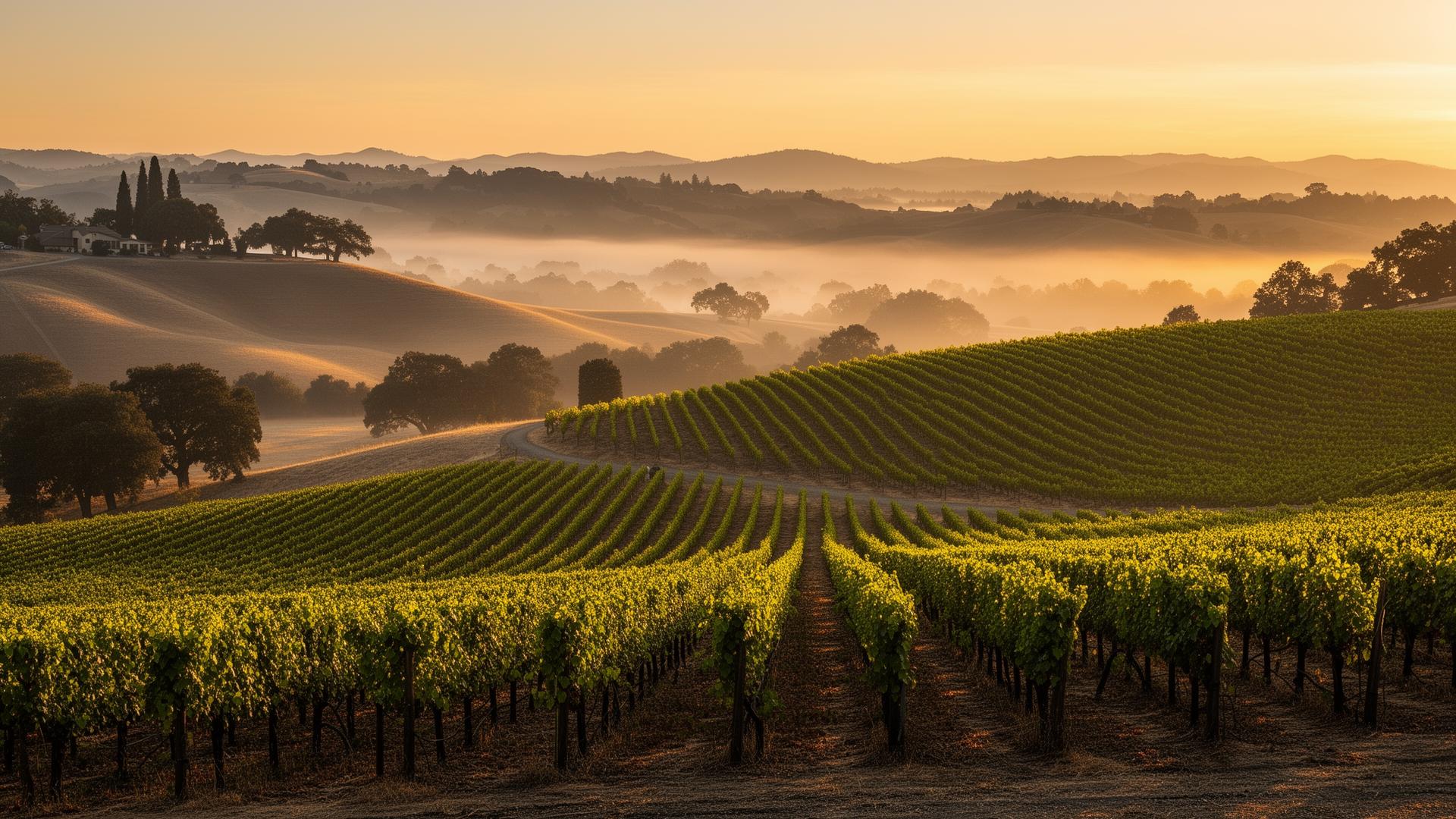
Not far from busy Interstate 15, in what was once a sleepy commuter community for San Diego, sits Temecula Valley, a wine-growing region since the late 1960s. Its warm temperatures and relatively dry geography have made it a good home for varietals such as Syrah, Sauvignon Blanc, Tempranillo, and Zinfandel, among others.
Sunny skies and the proximity of both Los Angeles and San Diego make the valley a strong weekend draw, with quieter tasting experiences offered during the week. A diverse selection of wineries keeps each visit distinct, from family-run red houses to communal estates built around sustainable farming.
“Southern California’s own Napa.”
Terroir
Terroir is the way a region’s climate and geography shape its grapes. Temecula Valley’s warm temperatures and relatively dry conditions favor varietals such as Syrah, Sauvignon Blanc, Tempranillo, and Zinfandel.
· ◆ ·
For the Reds
Why is Wiens Family Cellars known for red wine?
Wiens Family Cellars is the spot to experience reds. The winery offers an enjoyable tour and a pretty patio for picnicking, but it is the Cabernet Sauvignon and Cabernet Franc that are the main draw. A family operation, winemaker and patriarch Doug Wiens says forty-six extended family members are part of the production team.
The Cabernet wines here are intense and rich. The 2013 Dolcetto is tangy, with notes of cranberry and cinnamon, and the 2012 Refugio combines Cabernet and Merlot to stellar effect, with black plum, blackberries, nutmeg, and coffee. Tastings are poured in the ample, warm, woody main tasting room, as well as the Cellar Room, where seated tastings include a flight of limited-production red wines.
· ◆ ·
Wine and Olive Oil
What makes Vindemia Winery worth visiting?
At Vindemia, an award-winning producer of handcrafted Zinfandel, Cabernet, and Syrah pours tastes in a laid-back atmosphere. The outdoor tasting room is a fine spot to take in expansive views of the vineyards, and visitors can tour the vineyards themselves and try oak sampling. Alongside the wine, freshly harvested olive oil is available to taste and buy, and every tasting comes with complimentary bread and olive oil that adds to the convivial mood.
The Ruby Royale dessert wine, at a potent 18.8% ABV, is a vibrant vintage with floral hints. The 2010 More Cowbell Zinfandel is fresh, light, dry, and altogether unique.
Dessert Wine
A dessert wine is a sweet wine, typically higher in alcohol, served with or as dessert. Vindemia’s Ruby Royale is a floral example bottled at 18.8% ABV.
· ◆ ·
A Communal Estate
What is Monte De Oro Winery known for?
Monte De Oro is a communal affair, owned by some sixty-eight families and committed to environmentally sustainable growing methods, including careful canopy management and yield control. The large tasting room is a good place to settle in with the estate-grown 2010 Zinfandel, a blend of 75% Zinfandel, 15% Syrah, and 10% Petite Sirah. Light fruit notes of strawberry and raspberry, with dry hints of vanilla and anise, are the signature of this smooth wine.
Whites do not receive short shrift here either. The 2011 Viognier is particularly pleasurable, redolent of apricot and Meyer lemon, with both a floral and a citrus finish. Dry but with a touch of sweetness, this pretty light-gold vintage is among the winery’s must-tastes.
Canopy Management
Canopy management is the vineyard practice of managing a vine’s leaves and shoots to control sun exposure and ripening. Monte De Oro pairs careful canopy management with yield control as part of its sustainable growing.
· ◆ ·
The First Winery
What wines does Callaway Vineyard & Winery make?
One of the first wineries established in the region, Callaway was started by Ely Callaway Jr., who later founded Callaway Golf, in the late 1960s. Today the winery holds six medals from the San Francisco Chronicle Wine Competition.
From limited-edition Cabernets to Syrahs, the reds are strong and memorable. The white wines, such as Pinot Gris and Chardonnay, are light and crisp, with the 2013 WR Late Harvest Chardonnay showing sweeter citrus notes. With its range of vineyards, reliable weather, and distinctly regional tastes, the Temecula Valley has come of age for anyone who loves wine.
Frequently Asked Questions About Temecula Valley Wineries
🍷 Temecula Valley Wineries at a Glance
A quick comparison of the four wineries, what they pour, and the tasting experience.
| Winery | Known For | Standout Wines | Setting |
|---|---|---|---|
| Wiens Family Cellars | Bold, family-made reds | Cabernet Sauvignon, Cabernet Franc; 2012 Refugio; 2013 Dolcetto | Warm, woody main tasting room, seated Cellar Room, picnic patio |
| Vindemia | Handcrafted reds and estate olive oil | Ruby Royale dessert wine (18.8% ABV); 2010 More Cowbell Zinfandel | Outdoor tasting room with vineyard views; vineyard tours |
| Monte De Oro | Communal, sustainable estate (68 families) | 2010 estate Zinfandel blend; 2011 Viognier | Large tasting room; canopy-managed estate vineyards |
| Callaway | One of Temecula’s first wineries | Limited-edition Cabernets and Syrahs; 2013 WR Late Harvest Chardonnay | Established estate; reds plus light, crisp whites |