
Tag Archives: distiller

buckwheat whiskey

Is Buckwheat Whiskey Really Whiskey?

Click here to view original web page at thewhiskeywash.com

– February 12th, 2017

With the craft whiskey explosion of the last fifteen years has come a rash of distillers breaking with tradition and experimenting with new techniques and ingredients. Gone are the days when all whiskey was made with varying amounts of the same four grains; a number of modern distillers, especially well-established craft producers like Corsair and Koval, are working with unusual grains to produce whole new categories of whiskey.

One of those unusual grains (or “grains,” as we’ll see in a moment) is buckwheat. This pseudocereal, mostly known in America as a delicious pancake ingredient, is being made into whiskey by a handful of distilleries, notably Corsair. We also reviewed Catskill Distilling Company’s Otay Buckwheat Spirit, a unique leather-and-tobacco experience, a couple years back.

Pedants, however, will note that distilling buckwheat reveals an interesting question. Namely, can the resulting spirit be called whiskey?

Let’s back up. The government defines whiskey, in part, as “spirits distilled from a fermented mash of grain.” But what exactly is a grain? The dictionary gives several definitions, among them both “the seed or fruit of a cereal grass,” and “the seeds or fruits of various food plants, including the cereal grasses, and in commercial and statutory usage, other plants (as the soybean).” That first definition would exclude anything that, like buckwheat, isn’t botanically a grass. The second one, however, seems more than broad enough to encompass buckwheat and its fellow pseudocereals, which include quinoa and chia.

The problem is, the TTB, which regulates the labeling and marketing of spirits, doesn’t explicitly define what they consider a grain. Time for some inductive reasoning!

As far as I can tell, there are only a handful of buckwheat whiskeys out there. There’s Corsair’s version, which is labeled “whiskey,” and Otay, which isn’t. Pinchgut Hollow’s Copperhead seems to be in the same boat as Otay. Finally, there’s Eddu from Distillerie des Menhirs, which doesn’t teach us anything about labeling laws, because it’s made in France.

For perspective, what about some of the other unorthodox ingredients used in whiskey? Weirdly, the TTB seems to have no problem with calling spirits distilled from sorghum syrup whiskey. Sorghum, botanically, is a grass, but most sorghum whiskeys are made from the plant’s sap, not its seeds.

In short, it seems to be the case that when the TTB says “grain,” what they actually mean is “cereal,” in the botanical sense. Corsair’s products are the lone exception, and my guess is that they’ve been allowed to sell Buck Yeah and their quinoa whiskey as whiskeys because the mash bill for each is mostly barley—according to the distillery, Buck Yeah’s mash bill is 1/3 buckwheat, with two different malts making up the remaining 2/3.


How the Government Is Saving Craft Alcohol

How the Government Is Saving Craft Alcohol

Whether your drink of choice is vodka, Pinot Noir, or cider, you’ve probably noticed a change at bars and retailers lately: The selection is exploding. From craft beers to artisanal scotches and wines of every imaginable provenance, the American alcohol market is just plain booming, and it’s not slowing down.

Political divides aside, drinkers and producers of all stripes have the government to thank for this one. This year, they’ve made it easier than ever to both make and sell the libations that get us through good days and bad.

First, the Tax and Trade Bureau (TTB), the federal office that governs the alcohol industry, eliminated bond requirements for small breweries, wineries, and distilleries. In essence, a bond is a pre-paid amount of tax that the government holds as collateral to make sure booze producers pay their other taxes and generally play by the government’s rules. But applying for bonds is time consuming, technical (they require submitting elaborate architectural plans of any production space), and requires a large capital outlay up front, a serious strain for businesses that have no cash flow. By eliminating the bond requirement, this amendment removed a major hurdle for new producers, making it significantly cheaper and easier for newbies to start out as a small brand.

This modification to the Internal Revenue Code finally took effect on January 1. According to this new tax law, breweries, wineries, and distilleries that expect to pay less than $50,000 in excise taxes are exempt from the bond requirement, and can operate under simple permit instead. Taxes are calculated based on volume and alcohol content, so the cost savings for producers varies, but the impact overall is huge. According to data from 2015, nearly 90 percent of America’s breweries are small enough to avoid the bond requirement. Now, they can apply to receive a refund of their original bond payment and operate under the small-producer permit instead. And they can use their capital to make more drinks!

But there’s even better news for consumers. It’s becoming easier than ever to get those cans or bottles delivered to your door. Thank your state legislators here, because they’re continuing to relax outdated regulations on interstate alcohol shipping, making it easy for new and small brands to sell their wares across the nation. More states are making it legal to ship beer, wine, and spirits to your doorstep.

Though each state still has different taxes and tax rates for these sales, the easing of regulations means you can join wine clubs, ship alcohol from tasting rooms, or order small-batch beer and spirits online within most states.

According to Rex Stults, Government Relations Director of the Napa Valley Vintners Association (NVV), increased Direct to Consumer (DTC) sales are a win for every wine drinker. “We work actively to help make it happen,” Stults says. NVV is a co-founder, along with Wine Institute, of “Free the Grapes!” — a non-profit organization that engages consumers and media in an effort to open all states to the possibility of directly shipping wine.

Pennsylvania, Indiana, and Massachusetts are among the states to recently begin allowing direct wine shipments to consumers, and only 5 states still restrict wine shipments. Others have some form of regulation on different types of alcohol, though Free the Grapes! and other special interest groups are working to change that. As laws evolve and the DTC market becomes easier to navigate, more wineries are offering shipping for customers near and far.

As with expensive bonds, small producers often face steep challenges to selling their wares, even after jumping through the flaming hoops required in an alcohol-centric business. But selling directly via mailing lists, tasting rooms, and the internet would allow producers to bypass distributors — who were previously the only legal way to sell across state lines — and make significantly larger margins.

“For many small producers, it is either DTC sales or go belly up,” explains Stults. “Napa Valley is made up primarily of small, family-owned wineries. The challenge is that, unless you are a longstanding brand with fairly substantial production volume, it is difficult to get the attention in the wholesale distribution market.” Thanks to relaxing regulations, things are looking up. “There is more and more wine being produced in the U.S. and there are more folks drinking wine in the U.S., but the number of distributors has shrunk dramatically,” he says.

That’s because pf DTC sales. And there’s data to prove that we, as drinkers, are happy to shop online for wine, beer, and spirits. In 2016, direct wine sales alone reached $2.33 billion according to data compiled by ShipCompliant and Wines Vines Analytics, with most growth coming from small and very small wineries that aren’t available in major retailers nationally. In short, more bottles, cans, and bags-in-boxes, are hitting the market than ever before.

These legal changes may take up just a few lines within the jargon that dominates government edicts, but for the small brands that make up the majority of the new American booze scene, the impact is enormous. Supporting beverage makers means more opportunities to try the “best” new IPA, bourbon, or boutique wine, and that means 2017 is the year all drinkers win.

Cheers to that!

Click here to view original web page at vinepair.com

Craft Spirits to Dominate Global Spirit Market: Ken Research

Craft Spirits to Dominate Global Spirit Market: Ken Research

Ken Research has announced publication titled, “Opportunities in Craft Spirits” which explores the top trends and innovation themes within the craft spirits industry.

The report is a requisite guide that covers the present scenario and further provides for the growth prospects of the craft beer market in the years to come. It evaluates the current and future growth occasions across regions and countries with the motive of supporting corporate development and related initiatives.

It helps in gaining a broader appreciation of the fast-moving consumer goods industry by gaining insights from within as well as outside. It gets easier to access valuable strategic take-outs that help in directing future decision-making and informing about new products development.

The preferences of beer consumers have changed due to the introduction of craft beers, which typically contains higher alcohol content. Tracking the success of craft beers over the past few decades, the spirits industry is commencing to take hold of the craft movement.

Trustworthy experiences are in demand and more consumers are looking to experiment with innovative and strange flavored spirits. As a result, a number of distillers are expected to raise their craft offerings to gain an early foothold in the emerging market.

In 2003, there were 60 craft distillers operating in the United States. Today, that total is 760, according to the American Distilling Institute (ADI), and a further 200 are under construction. There are numerous opportunities within the craft spirits market and they are expected to bring innovation themes such as the incorporation of innovative and/or medicinal ingredients.

Some recent mergers and acquisitions are pledging to continue changing the industry. In 2015, Mahalo Spirits Group invested in Bardstown Bourbon Co. of Kentucky, financing a USD 25 million distillery and Angels Envy Bourbon sold itself to Bacardi for USD 150 million. Hood Rivers Distillers of Oregon acquired Seattle’s Big Gin last May, and Constellation Brands acquired High West Distillers of Park City, Utah in 2016.

Most recently, Davos Brands of New York acquired Aviation Gin of Portland, Ore., and Remy Cointreau of France obtained Seattle’s Westland Distillery.

Topics Covered in The Report

Global beer industry research report
Global Beer industry insights
Global Alcoholic beverages Industry
Global Alcohol Consumption by volume
North America Alcohol Industry Research Report
Europe Alcoholic Beverages Market size
Aisa Alcoholic Beverages industry research
Global spirits market research
Craft Spirits Demand worldwide
Global Craft Spirits future Outlook

The Perfect Drinks to Serve High-Maintenance Guests

The Perfect Drinks to Serve High-Maintenance Guests

These days, dinner parties are a pain in the butt to plan. Your best friend is following a gluten-free diet, your roommate is Paleo, your girlfriend’s new squeeze is vegan, and your neighbor just informed you that he’s avoiding sugar. Sounds like quite a dinner!

We can’t help you with the food, but we can help you with the booze. Whether your guests are on the latest fad diet or have (legitimate) allergies, here’s what you can safely serve them to get them drinking and to avoid the lecture about how sugar is a secret killer.

Diet: Gluten-Free

Sure, there’s gluten-free beer. But your guests and your taste buds deserve better. Although some people raise concerns about wine being aged in barrels sealed with flour paste or refined with products containing gluten, most experts agree that people with gluten sensitivities should be fine drinking wine. If you are concerned, ask the winemaker.

You can also serve rum, tequila, or potato vodka. Although the Alcohol and Tobacco Tax and Trade Bureau says that most gluten is removed from gin, whiskey, and vodka during the distillation process, some experts say to play it safe and avoid those liquors.

Diet: Paleo

Pour one out for the cavemen: Alcohol isn’t Paleo, according to Loren Cordain, Ph.D., founder of the movement. Our ancestors may have created fire, but they didn’t create distilleries or practice fermentation, according to some experts, though this, too, is debated. Cordain says moderate alcohol consumption is O.K. occasionally. He recommends wine or spirits, while Robb Wolf, author of “The Paleo Solution,” likes the NorCal Margarita: two shots of tequila, the juice of one lime, and a splash of soda.

Diet: Low-Carb

Many people don’t realize that hard liquor doesn’t have any carbs. It’s the sugary mixers you have to worry about. Whether your guests prefer gin, rum, tequila, vodka, or whiskey, each has 0 carbs per ounce. Mix with diet soda or diet tonic and fresh lemon or lime juice.

Diet: Ketogenic

Since a keto (as the cool kids call it) diet is low-carb and high-fat, neat spirits also satisfy their alcohol fix without violating any “rules.”

Diet: Bulletproof

Dave Asprey doesn’t only recommend butter in your coffee. He’s also a fan of straight vodka, particularly potato vodka. He claims that since it’s distilled and charcoal-filtered, “your body will only deal with the alcohol and no other toxins.” A dry dirty martini made with potato vodka or gin also meets his approval.

Diet: Vegan

Guinness made headlines in 2015 when the company announced it was changing the recipe so its beer would be vegan. Most Guinness fans never knew their beer wasn’t vegan. But many beers and wines are clarified with products such as casein (a milk protein), albumin (egg whites), gelatin (animal protein), and isinglass (fish bladder protein). So strict vegans won’t drink a sip of these because trace amounts of the fining agents remain in the liquid.

Luckily there are many vegan wines and beers on the market — and you won’t taste a difference. These tend to be clarified with products like carbon, bentonite clay, limestone, kaolin clay, plant casein, silica gel, and vegetable plaques. This process removes any grape skins, stem, and other sediment left over from the winemaking process. Barnivore.com maintains an extensive list of alcohol and what is and isn’t vegan, so check the site to see if your favorite brands are O.K. for your guests. Ciu Ciu is an organic, vegan Italian winery, and Domaine Bousquet is organic, vegan wine from Argentina.

Or go with hard alcohol! Distillation doesn’t need any clarification; as long as it doesn’t mention honey on the label and isn’t cream-based, that spirit is vegan.

Diet: Detox

Serve green juice spiked with vodka. Whoops, no, that’s just how we drink green juice. The truth is, anyone on a detox is following a strict diet and likely won’t accept your party invite. If they do, look up the master cleanse lemonade recipe. Or just offer them water.

Allergy: Fish, milk, and/or egg

As with your vegan guests, choose a vegan wine or beer, or stir up any cocktail, as long as it doesn’t contain egg white or any dairy-like cream. Sangria (made with vegan wine) is always easy for a party, or make a big batch of rum punch, margaritas, or sazeracs.

Click here to view original web page at vinepair.com

Bringing Back the Swinging ’60s, One Whisky at a Time

Bringing Back the Swinging ’60s, One Whisky at a Time

When a rare old whisky sells out of its limited run, it’s always tempting to think that there are still a few stray cases hanging around the distillery—which will be released at a time of optimal convenience for those of us who missed it the last time around. So it’s a little disconcerting to find out that Bowmore, the oldest whisky distillery on Islay, is releasing the last 50 bottles of its 1961 50-Year-Old single malt. Whiskyphiles have had their chances; this is the fourth year running that Bowmore has released 50 bottles of the 200 taken from the lone cask that made the half-century journey. The difference is that after this run, the 1961 is gone for good.

To commemorate the bittersweet occasion, Bowmore has created a package worthy of the whisky inside. The hand-blown bottle features a sterling-silver neck collar and cork top made by Fattorini silversmiths; it’s encased in a gorgeous handmade cabinet made from Scottish Elmwood by master carpenter Peter Toaig. The whisky itself is sublime—and surprising. The dry oakiness one would expect from a whisky of this age is almost completely absent. Instead, it’s a fruit-forward rush of pears, apples, and peaches, evolving into tropical fruits like mango and lychee on the palate, with the Bowmore’s familiar smoky notes gaining presence at the back of the throat. It’s soft and smooth enough to be an everyday dram, but with a complexity that can only come from such long aging.Bringing Back the Swinging ’60s, One Whisky at a Time

The farewell of the 1961 50-Year-Old is also an introduction to what will be a six-part series of 50-year-old Bowmores, all distilled in the 1960s. The decade was a great one for the distillery; its 1964 “Black Bowmore” bottling is one of the most legendary single malts ever released. Collectors with a mind to own a complete set should get started now. The suggested retail price of the 1961 is $23,000, a price that will likely increase as bottles make their way to the secondary market. (bowmore.com)

Click here to view original web page at robbreport.com

Budget proposal eyes liquor

Gov. recommends 50-cent hike per bottle

Oregon distillers are concerned that doubling a surcharge on their products next year will hurt an industry already generating a large portion of state revenue.

Gov. Kate Brown’s proposed state budget, yet to be hashed out in Salem, for the next biennium would increase a standing surcharge on distilled spirits from 50 cents to $1 per bottle for two years starting July 1. The Oregon Liquor Control Commission has renewed the surcharge three times since its inception in 2009.

Brown’s budget, which tries to close a $1.7 billion shortfall, recommends a number of increases on “sin taxes,” including an 85-cent hike on cigarette taxes to $2.18 per pack, along with increases on taxes on cigars and snuff. The proposed budget would increase all alcohol licensing fees, along with the liquor surcharge, except the fee for servers’ permits. The higher surcharge would raise an estimated $33.8 million for the state general fund; higher fees would raise another $5.3 million.

If the surcharge is increased, distillers said, they would likely pass the cost onto consumers. Some small distilleries may stumble should their sales decline just as those businesses are finding a foothold, they said.

“Any costs that raise the price of liquor, I don’t like because it raises my costs on the shelf,” said Nick Beasley, owner of Cascade Street Distillery, a small, 2-year-old business in Sisters.

Oregon consumers pay the second-highest taxes on liquor in the nation, an average $22.74 per bottle, according to the Tax Foundation, an independent research group.

The term “tax” when applied to distilled spirits is a misnomer in Oregon, where the state controls all sales of distilled spirits and acts as the sole distributor.

The OLCC generates revenue by marking up the price of a bottle by about 100 percent, a practice that goes back to 1991, according to the commission. In 2009, the OLCC first imposed a temporary, additional 50-cent-per-bottle surcharge, which the commission has renewed three times, the latest in August to expire in June 2019.

On the other hand, the tax on beer remains $2.60 per 31-gallon barrel, the amount set in 1977. The wine tax, also set in 1977 at 65 cents per gallon for wine under 14 percent alcohol by volume and 77 cents for wine above 14 percent, was increased in 1983 by 2 cents on lower strength wine to fund the Oregon Wine Board.

The Legislature sets the tax on beer and wine. Distilled spirits accounted for 96 percent of revenue collected by alcohol sales in the 2014-16 biennium, or $1.1 billion, according to the OLCC. The tax on beer and wine accounted for 3 percent, or $36 million.

Brown may more easily raise the liquor surcharge through the OLCC than seek a tax increase on beer and wine through the Legislature. Bryan Hockaday, a spokesman for Brown, in an email Wednesday wrote: “The governor has stated that this budget is the beginning of the conversation with the Legislature and Oregonians, and she looks forward to working on more sustainable funding solutions to meet the needs of Oregon families, support a thriving, statewide economy, and protect Oregon’s natural resources for future generations.”

Asked if higher beer and wine taxes would be part of that conversation, Hockaday replied: “Broadly speaking, all viable revenue reform proposals are likely to be part of the conversation this legislative session.”

Dan Engler, co-owner of Occidental Brewing Co., in Portland, and president of the Oregon Brewers Guild, said he anticipates a proposal during the 2017 legislative session to increase the tax on beer, which the guild would oppose. Engler said he opposes excise taxes in any form, whether directly or indirectly in the form of a surcharge.

“It’s a regressive tax regime,” he said. “We’ve shifted our revenue-generation scheme to corporate and individual income taxes rather than customs, duties and excise taxes from the old days.”

CEO Alan Dietrich of Bendistillery said he wants to hear the specifics of Brown’s proposed budget before he weighs in, but that the alcohol industry already contributes substantially to the state budget. More so than essentials like food or gas, once the cost of liquor climbs too high, consumers will cut back, which defeats the purpose of a surcharge hike, he said.

Likewise, Brad Irwin, owner and head distiller at Oregon Spirit Distillers, in Bend, said he wouldn’t suggest a tax hike on beer and wine, but distillers have thus far paid their share.

“I think it’s tough to ask us to pay more,” Irwin said, “when we’re already generating as much as we do.”

Number of New York farm distilleries doubles

Number of New York farm distilleries doubles

More than 100 farm distilleries are now operating across the state of New York, showing “significant growth” since the implementation of the Craft New York Act in 2014.

The law “cuts red tape” and “eases regulations” for craft distilleries by allowing them to conduct tastings and serve by the bottle and glass, increase their retail space, lower the food requirement during tastings, open offsite stores without the need for a separate license, and increase production by raising the annual manufacturing cap.

Since the act was implemented in December 2014, the number of farm distilleries in New York has almost doubled to 107. Overall, the number of farm-based distillery businesses in New York has increased 10-fold since 2011 – from 10 to 107.

Since 2011, the number of farm-based alcohol beverage manufacturers increased by 188%, bringing the total number of wineries, breweries, distilleries and cideries using New York-grown ingredients to 591.

“By cutting red tape and easing regulations on farm distilleries, we are supporting the growth and expansion of small businesses that create new jobs and drive economic growth across New York,” said governor Andrew Cuomo, who advocated and signed the act.

“From farm distilleries to breweries to cideries, the craft beverage industry is thriving, strengthening the agricultural and tourism industries, and providing real economic benefits to communities in every region of the state.”

According to the governor, the growth of New York’s farm distilling industry has led to increased tax revenue, job opportunities and increased demand for farm products such as corn, grains and apples, as well as boosting the state’s tourism.

“The efforts New York State has made to modernise the alcohol beverage laws and improve the business climate for our members are paying great dividends,” added Brian McKenzie, president of the New York State Distillers Guild

“Our industry is growing at a very strong rate, both with new ventures starting up in recent years and established distilleries growing their businesses beyond their local markets.

“We’re proud of the impact we are making on the NYS economy in terms of creating jobs, promoting tourism, and supporting local agriculture, and are grateful for the positive changes that have taken place.”

11 Unusual Liquors You Could Be Drinking

11 Unusual Liquors You Could Be Drinking

1. Baijiu11 Unusual Liquors You Could Be Drinking

What is it?: Baijiu is a Chinese liquor usually made of sorghum. It typically runs between 40 and 60 percent ABV and is definitely an acquired taste – people often refer to it as “The White Devil.”

Where have you heard of it? Moutai, one of the largest manufacturers of the stuff, came under fire last year for both a contamination scandal and the high price of the baijiu it sells. The latter is largely due to the drink’s popularity among government officials, which jacks up the cost.

Where can you get it? Baijiu is tricky to find in the U.S. because of import laws and the lack of an established market here, though manufacturers are trying to change that. Your best bet is heading to a Chinatown in your nearest city.

2. Malört11 Unusual Liquors You Could Be Drinking

What is it? Jeppson’s Malört is described as a Swedish-Style Brännvin, or a wormwood liqueur (what absinthe is made of). Though it’s been around for almost a century, only recently has malört gained popularity, despite its bitter taste.

Where have you heard of it? Perhaps on this very site!

Where can you get it? Though only manufactured in Chicago, out-of-towners can buy it online.

3. Fernet Branca

11 Unusual Liquors You Could Be Drinking

What is it? A bitter Italian aperitif that tastes like black liquorice, Fernet-Branca has a 40 ABV rating.

Where have you heard of it? Perhaps from one of the numerous articles touting its growing popularity among the San Francisco and Los Angeles hip. In fact, 35 percent of the consumption in the U.S. occurs in California. And some consider it a remedy for a stomach ache.

Where can you get it? You can buy other versions of fernet (which is an amaro) that are made in America, but Fernet Branca can be purchased at most specialty liquor stores.

4. Akvavit

11 Unusual Liquors You Could Be Drinking

What is it? A Scandinavian spirit, akvavit is usually flavored with caraway seeds and has about a 40 percent ABV. It’s traditionally drunk as a shot, sometimes chased with beer, but some bars will mix it into cocktails. It has a flavor not dissimilar to jäger.

Where have you heard of it? If you’ve been in Denmark and Norway around Christmas, you’ve seen akvavit used for holiday celebrations. Or at a place like New York’s Vandaag.

Where can you get it? Northshore Distillery in Illinois sells akvavit; you can purchase it through these venders online. House Spirits Distillery in Portland, Oregon also makes the beverage and you can buy it here.

5. Raki

11 Unusual Liquors You Could Be Drinking

What is it? The Turkish version of ouzo, raki is made from grapes and flavored with anise seeds. It’s often drunk mixed with water, turning it a milky color, which is why some people call it “lion’s milk.” It has a 45 percent ABV.

Where have you heard of it? Unfortunately for the Turkish economy, raki consumption in that country has fallen by 50 percent in the past several years. Economists attribute the drop to the low tax on alcohols like vodka, and the rising cost of raki.

Where can you get it? Popular brand Yeni Raki is distributed in 12 U.S. states.

6. Eiswein/Icewine

11 Unusual Liquors You Could Be Drinking

What is it? Literally what the name describes: a dessert wine made from grapes that were frozen while still on the vine. It’s typically produced in Germany or Canada, can be red or white and ranges from six to 13 percent ABV.

Where have you heard of it? It hasn’t been cold enough lately in Canada, so ice wine production is really suffering.

Where can you get it? If you’re in the United States, a large amount is produced in Michigan, but German and Canadian varieties are available online and at specialty wine shops.

7. Cachaça

11 Unusual Liquors You Could Be Drinking

What is it? Made of sugar cane juice, cachaça is often called Brazilian rum (though traditional rum is distilled from molasses). It runs between 38 and 48 percent ABV and is used in Brazil’s national drink the Caipirinha.

Where have you heard of it? Brand Leblon Cachaça started an ad campaign in 2012 called “Legalize Cachaça!” in order to increase the popularity of the drink in the United States.

Where can you get it? There are several popular brands available in liquor stores in the US, like Beleza de Minas and Pitu.

8. Pulque

11 Unusual Liquors You Could Be Drinking

What is it? Pulque is a fermented agave nector, yeasty-tasting and milky in color, made in Mexico. There, it’s served fresh at bars made for just drinking pulque, called pulqueria’s.

Where have you heard of it? If you’re an Anthony Bourdain fan, he talks about it on an episode of No Reservations.

Where can you get it? It’s not legal in every state in the U.S., but some companies do import it in cans and there is a pulqueria in New York (called Pulqueria).

9. White whiskey

11 Unusual Liquors You Could Be Drinking

What is it? Also called white dog by those in the industry, white whiskey is essentially a fancy way of saying moonshine. It’s a clear whiskey that hasn’t been aged in a barrel, usually made with a combination of rye, corn and barley, with anywhere from a 40 to 60 percent ABV.

Where have you heard of it? Well, it’s having a comeback, though some spirit sticklers take issue with that.

Where can you get it? Jack Daniels just released a white whiskey, but there are also a number of smaller American distilleries making their own as well.

10. Tej11 Unusual Liquors You Could Be Drinking

What is it? An Ethiopian mead also known as honey wine, tej can be home-brewed. Tej made in Ethiopia is usually between 6.98 and 10.9 percent ABV.

Where have you heard of it? A lot of Ethiopian restaurants brew their own, so you may have had it over dinner.

Where can you get it? Brotherhood Winery in New York makes a version of it; ENAT Winery does as well and you can order online. You can find tej at liquor stores in major metropolitan cities.

11. Soju11 Unusual Liquors You Could Be Drinking

What is it? A Korean liquor traditionally made from rice, though a lot of modern suppliers use other starches to make this alcohol, which is similar in taste to vodka. It can have an ABV of anywhere from 16 to 45 percent and is traditionally drunk straight.

Where have you heard of it? In states like New York or California, soju can be served in restaurants that would normally only be allowed to serve beer and wine because of its low ABV. Korean company Jinro’s soju has been the most popular liquor in the world for eleven years.

Where can you get it? You can find popular brands like Jinro all across the U.S.

Your ‘Craft’ Rye Whiskey Is Probably From a Factory Distillery in Indiana

Your ‘Craft’ Rye Whiskey Is Probably From a Factory Distillery in Indiana

The artisan whiskey industry has a big secret—many of the ‘small-batch’ distillers are actually buying their product from a large factory in Indiana.

Read the promotional materials for the Rancho de Los Luceros Destilaría and you form an image of a supremely artisanal effort. The distillery creates “small batch heirloom spirits handcrafted in New Mexico.” Each batch of their rye whiskies, vodka, and gin is “individual and unique,” and “each bottle is hand bottled and hand marked with batch and bottle number.”

These are the standard selling points of the craft-distilling movement, with its locavore lingo, terroir talk, and handmade hype. But, in the new crowd of micro-distillers, it is now standard for the alcohol being sold to come not from their own distinctive stills, but from a hulking factory in Indiana.

Lawrenceburg, Indiana (not to be confused with bourbon-locale Lawrenceburg, Kentucky) is home to a massive brick complex that cranks out mega-industrial quantities of beverage-grade alcohol. The factory, once a Seagram distillery, has changed hands over the decades and was most recently acquired by food-ingredient corporation MGP. It is now a one-stop shop for marketers who want to bottle their own brands of spirits without having to distill the product themselves. MGP sells them bulk vodka and gin, as well as a large selection of whiskies, including bourbons of varying recipes, wheat whiskey, corn whiskey, and rye. (They also make “food grade industrial alcohol” used in everything from solvents and antiseptics to fungicides.) Their products are well-made, but hardly what one thinks of as artisanal. And yet, much of the whiskey now being sold as the hand-crafted product of micro-distilleries actually comes from this one Indiana factory.Your ‘Craft’ Rye Whiskey Is Probably From a Factory Distillery in Indiana

Upstart spirits companies selling juice they didn’t distill rarely advertise the fact. But there are ways to tell: whiskey aged longer than a distillery has been in business is one of the telltale signs that the “distiller” is actually just bottling someone else’s product. KGB Spirits, the company behind the New Mexico “destilaría,” was founded in 2009; but its flagship Ceran St. Vrain straight rye whiskey comes with an age statement of 15 years in the barrel. Or take Breaker bourbon, the “first bourbon produced in Southern California since Prohibition.” The Buellton, California company behind the brand, Ascendant Spirits, wasn’t started until 2013. Yet, they brag their “ultra small batch bourbon” is aged 5 years. So how do you open a distillery one year and have 5- or 15-year-old whiskey to sell the next? Not by making it.

“I have purchased hundreds of barrels of rye and bourbon from them,” John Bernasconi admits when asked about the Indiana factory. A principal in the New Mexico company, Bernasconi says that purchasing whiskey from MGP and bottling it is “a means to develop a brand and help fund the next step” of actually distilling a unique product. It may be a sensible enough business strategy, but as whiskey writer Charles Cowdery points out, “There’s no reason to think anyone knows how to make whiskey or can learn how to make whiskey based on buying whiskey.” Cowdery has been railing for years against the proliferation of what he calls “Potemkin distilleries,” many of which own shiny new copper stills to wow visitors, but actually sell factory-made spirits they’ve acquired in bulk.Your ‘Craft’ Rye Whiskey Is Probably From a Factory Distillery in Indiana

High West hopes to make the transition, at least in part. The Park City, Utah distillery has been celebrated for its well-aged rye whiskies and its bourbon-and-rye blends, all of which come from the Indiana factory, as owner David Perkins readily acknowledges. High West makes some un-aged spirits and they are currently aging some whiskey of their own, but they have no plans to stop using the whiskies available from Lawrenceburg. “Since MGP whiskey is [more than] 80 percent of my revenues, it might be silly to wean myself off of that,” Perkins says. “I don’t think my employees would like the pay cut!”

Part of the problem is the competition. MGP has plenty of aged whiskey ready to go in the bottle right now. An upstart distiller has to buy a still and learn how to use it; then buy all the ingredients and actually ferment and distill them; buy barrels and build or lease warehouses in which to put them; and then sit on the investment for years. Todd Leopold, master distiller at Denver’s Leopold Bros., has managed to do it. But how much easier, he says with disdain, for those who just buy whiskey off the shelf and market it. “All that they do is hire salespeople, make up a BS story, and boom, they look like a distillery,” Leopold says.

Dozens of new brands are packaging whiskey bought in bulk from Indiana. But it isn’t the only source. Some recently launched whiskey brands, such as the much-hyped WhistlePig Rye (which touts the product as “hand-bottled” on a Vermont farm), get their product from a factory distillery in Canada. Others are picking up cast-off barrels from high-volume Kentucky “macro-distillers” who occasionally find themselves with more whiskey than they can sell under their own labels. But Cowdery warns that the newbie “distiller” shouldn’t count on finding brilliant whiskies in the barrels being shed by the big brands: “They’re not getting rid of their best stuff.”

The Indiana distillery, by contrast, does sell its best stuff, because MGP Ingredients doesn’t have any brands of its own. Originally, the rye that was made there had a particular purpose—as a component to “flavoring whiskey” in the Seagram’s Seven Crown blend. But it turns out that the rye in MGP’s warehouses, when not used for blending, is very good whiskey all on its own—one more reason why the industrial product is behind so much of the “craft” rye revolution.

The most obsessive tracker of MGP whiskies is a food blogger known as “Sku.” He is Steve Ury, and on his Recent Eats blog he has published a near-comprehensive list of more than four-dozen brands bottling Indiana whiskey. He identifies the rye or bourbon from MGP in offerings from Arizona (Copper City) to Washington, D.C. (Filibuster), from Vermont (Smugglers’ Notch) to California (Hooker’s House). There has even been a boutique Indiana brand (W.H. Harrison) bottling factory-made Indiana bourbon.

Some on the long list own up to the source of their whiskies, but many do their best to suggest they’ve made it themselves. “New companies want to sell product as local or artisanal, and so that’s what they claim,” says Ury, who has been trying to do something about the practice. By day, Ury is a lawyer, and he has been needling the federal Alcohol and Tobacco Tax and Trade Bureau to be more aggressive in enforcing regulations requiring that whiskey bottles disclose where the spirit inside was distilled.

It isn’t just small start-ups using MGP rye. Though Bulleit is owned by drinks behemoth Diageo, the highly touted brand maintains a craft whiskey vibe, especially Bulleit Rye. The brand’s website says that “High rye content has always been the signature of Tom Bulleit’s distinctive bourbon. It was only a matter of time before he created a rye whiskey.” But “creating” isn’t the same thing as “distilling,” and, as Bulleit Rye properly discloses on its back label, the whiskey in the bottle comes from Lawrenceburg, Indiana.

Some of those bottling and branding MGP whiskey make an effort to give the juice some sort of finishing touch to make their product distinctive. George Dickel Rye starts with MGP whiskey but charcoal-filters it before bottling. Angel’s Envy buys Indiana rye, puts it in old rum casks to soak up a little sweetness, and then charges a hefty markup. Others, such as Redemption Rye, present their MGP whiskey as-is.

The prize for the most upfront bottler has to go to Blaum Bros. of Galena, Illinois, which market Knotter—read “not our”—Bourbon with the transparent admission “We didn’t distill this bourbon. Nope, not a drop.”

Templeton Rye, by contrast, has built its successful brand on being a product of Templeton, Iowa. They tell an elaborate story about how their recipe was used by the owner’s family to make illicit whiskey in Iowa during Prohibition, and how that rye had become Al Capone’s favorite hooch. They publish a description of their “Production Process” so detailed it lists the temperature (124 degrees) at which the “rye grain is added to the mash tank.” They brag that they focus their “complete attention on executing each step of the distillation process.” And yet, for all this detail, the official “Production Process” somehow fails to mention that Templeton doesn’t actually do the distilling.

Dig around enough on the Templeton Rye website, and you’ll find acknowledgment that their whiskey is factory-made in Indiana. But clinging to the craft distiller fiction, Templeton does its best to maintain that, rather than taking MGP whiskey off the shelf, they are somehow instructing the manufacturer how to make the juice.

“The smoke and mirrors used in this industry make it extremely difficult,” complains one micro-distiller who actually makes his own whiskey. “When one company talks about their heritage recipe that was a favorite of a gangster, even though it is just the stock MGP recipe, we all suffer,” because customers feel burned.

Another challenge actual craft distillers face is that the armies of new rye drinkers have come to expect whiskey with a particular flavor—that is, the taste of MGP rye. “If you’ve tried Dickel rye, Redemption, and Templeton, you’d think that’s how rye whiskey should taste,” says Clay Risen, author of American Whiskey, Bourbon & Rye. MGP’s whiskies are marketed under so many different labels that they “have colored perceptions” of what rye should be.

Which isn’t to say that no one succeeds in actually making their own craft-distilled whiskey. In addition to Leopold Bros. in Colorado, there are distillers such as Few in Evanston, Illinois, Catoctin Creek in Virginia, and Hudson Whiskey in New York state making good young rye from scratch.

Some of those selling MGP-made whiskies, such as High West’s David Perkins, would like to see a new transparency in the business. John Bernasconi of New Mexico’s KGB Spirits says, “I would welcome more disclosure and honesty in the spirits industry.”

A good idea, since there’s no reason to expect the ocean of Indiana whiskey to dry up anytime soon. Finding itself at the heart of the craft whiskey craze, MGP has cranked up its production, including a growing slate of new whiskey recipes offering customers greater variety.

Potemkin distillers are going to have all the juice they need for years to come.

How Limited Edition Whiskies Are Changing The Market For Super Premium Brown Spirits

How Limited Edition Whiskies Are Changing The Market For Super Premium Brown Spirits

As sales of super premium whiskies continue to skyrocket, the demand for ever more limited edition bottlings continues to grow. This makes sense, as consumers, once convinced of the value of the highest-end examples within a particular category, tend to eventually begin seeking out more idiosyncratic expressions of it. This is just as much the case with whisky and whiskey as it is with watches, purses, and more.

According to the Distilled Spirits Council of the United States (DISCUS), revenue and volume are both up, between 2014 and 2015, for super premium bottlings of Scotch whisky, Irish whiskey, Canadian whisky, and Tennessee whisky and Bourbon. In fact, those categories have overall seen an upward trend for years now, which seems to reflect the maturing American market for high-end brown spirits.

“The growth in whiskey’s popularity in the last five years has created opportunities for niche products,” noted David M. Ozgo, Senior Vice President, Economic and Strategic Analysis for the Distilled Spirits Council. “Distillers have responded with a variety of offerings that include brands from the growing craft segment, new offerings from the world’s historic distilleries and limited edition expressions from historic brands. These new expressions allow the kinds of unique experiences that the modern consumer demands.”

Depending on the goals of the producer, limited edition whiskies can either be set apart from the core bottlings of the brand by an unusual age statement, a special mash bill, or barrel aging that is in some way different from the more classic bottlings it produces. Whatever differentiates it, the market seems to be thirsty for more and more each year.

“Premium and super premium whisky offerings continue to rise year over year, and are driving the strongest growth across spirits,” Simon Brooking, Master Ambassador at Laphroaig Single Malt Scotch Whisky, explained in an email. “More and more, we see consumers trading up, whether it’s within the portfolio of a brand they already know and love or seeking to discover something new. Super-premium whiskies that have rich heritage and authentic stories, such as Laphroaig, are particularly attractive to consumers, as are limited-time offerings that lend themselves to collecting,” including several from that totemic Islay brand.

Indeed, Laphroaig impressed me with its Cairdeas 2016 ($74.99), a limited edition whisky that was initially matured in ex-bourbon barrels prior to being transferred to ex-Madeira hogsheads. The result is a single malt of impressive character, with notes of orange pastry creme, warm honey, multigrain toast, spice, and licorice. I also haven’t been able to stop thinking about the Laphroaig 25 and 30 Year Old bottlings ($499.99 and $1,000, respectively). The 25 Year showed honeyed marcona almonds, vanilla, bonfire smoke, and nectarines; and the 30 Year was deeply complex with fresh mint, lemongrass, toasted fennel seed, caramel, hard pears, and more.

Special age-statement whiskies are perhaps the easiest for consumers to wrap their arms around. George Dickel, for example, the highly regarded Tennessee whisky producer, recently released a 17 Year Old, limited-edition bottling ($75 for a 375-ml bottle, and only available at the newly renovated distillery visitor’s center in Tullahoma, TN, and at certain retail outlets within the state). It differs from the core line of Dickel whiskies by its specific age statement; the rest of the standard bottlings from the producer don’t have age statements at all. I recently tasted it, and was impressed by its warm dulce de leche and spice aromas and powerful, spicy palate with hard pear and cedar flavors.

Ardbeg, which crafts excellent single malt Scotch whisky on Islay, released in October a highly limited edition of 100 cases of 21 Year Old whisky (approx. $390 upon release to Ardbeg Committee club members, and more elsewhere if you can find a bottle on the secondary market). It is a delicious dram bursting with notes of smoke, black pepper, and cream in the nose and orange clotted cream, cigar tobacco, and a hint of iodine on the palate. Ardbeg Global Brand Ambassador David Blackmore explained in an email that “limited edition bottlings—both with and without age statements—are increasingly in high demand as whisky aficionados look to discover new experiences and taste profiles. At Ardbeg, our Whisky Creation Team approach limited edition releases as an opportunity to push the boundaries of our craft and create something unique—whether through cask type or maturation process—all while respecting the provenance and heritage” of the brand, whose roots go back to 1815. He added, “Ardbeg enthusiasts are generally open to spending more on these limited edition expressions, as they recognize both their scarcity and what has gone into creating them.”

There are, of course, more—far too many to cover in their entirety. Glenkinchie released a 24 Year Old whisky (approx. $375). Bowmore will be releasing in December the final 50 out of a total 200 bottles of their 1961 50 Year Old whisky ($23,000, and it comes in a hand-blown bottle and arrives in a handmade Scottish elm cabinet). Speyburn, whose Arranta Casks ($40), a United States-only release that uses first-fill bourbon barrels—just 12,000 bottles were made—was named the Speyside Distillery of the Year 2016 at the New York Spirits Competition. I love its honeyed and floral nose and flavors of spice and candied lemon peel. Angels Envy’s 2016 Cask Strength bottling ($179.99) is a beautiful bourbon with generous notes of spiced toffee, cherries, and toasted coconut. On December 9th, Christie’s will be auctioning off a 34-bottle lot (including the original barrel) of Blade and Bow 24 Year Old bourbon from the legendary Stitzel-Weller Distillery in Kentucky. Proceeds from the sale of the whiskey, with a pre-auction estimate of $24,000 – $35,000, will be donated to the New York-based anti-poverty charity Robin Hood. The list of limited edition whiskies goes on.

And that’s the good news: Though many of these bottlings are extremely limited, and some are quite pricey, there is an increasing number of them, and at a range of price points, hitting the market. So if you can’t find one, chances are that another will be available. The potential for exploration is tremendous.

Click here to view original web page at www.forbes.com

Meet Aquavit, a Flavorful Spirit No Longer Bound to Europe

Walk into most bars in the United States and the number of aquavits on the shelf will likely be zero or one. Perhaps there’s a bottle of Norwegian Linie or American Krogstad, or a dusty bottle of the no longer imported Aalborg, if the establishment doesn’t pour it often. Outside of explicitly Scandinavian places, the American attitude toward aquavit seems to be that having one option is plenty sufficient. But these bars are missing out. Though aquavit remains largely an esoteric spirit, it’s also one of the most diverse, and it’s enjoying a mini-renaissance among domestic craft distillers and importers.

Much like gin, aquavit is defined in United States regulations by its primary botanical. While gin’s star is juniper, with aquavit, it’s caraway.

Aquavit, a neutral spirit usually distilled from grain and flavored with botanicals, has been produced in Scandinavia for centuries. Much like gin, aquavit is defined in United States regulations by its primary botanical. While gin’s star is juniper, with aquavit, it’s caraway. To create unique expressions of the spirit, distillers often complement caraway with a myriad of spices and botanicals such as dill, cumin, coriander, juniper, fennel, anise, and citrus. Caraway notes are predominant in some brands, such as Brennivin, while in others these various botanicals sometimes take center stage.

It’s a common misperception that aquavit is an anise-flavored spirit and one could argue that anise-forward aquavits are becoming a signature Pacific Northwest style, likely reflecting the influence of House Spirits’ popular Krogstad aquavit. Other aquavits from the region that also feature the flavor prominently include Sound Spirits’ Blekksprut, Old Ballard Liquor Company’s Nymodig, and Bull Run’s Regnig Dag. But many aquavits, in contrast, include no anise notes whatsoever.

Like many other spirits, aquavits vary in their ages. While most aquavit in the United States is sold unaged, a few brands, like Linie or Riktig, are aged on wood such as oak or alder for a few months or years, though some Nordic brands age up to 20 years. Much like aging a whiskey or brandy, this time on wood both adds flavors and smooths out the spirit’s rough edges.

Unaged aquavit is best served chilled, with the bottle pulled straight from the freezer or, for a more striking presentation, literally frozen into a block of ice. Although, some drinkers may prefer to sip aged aquavits at room temperature to capture the most nuanced flavors.

In liquor stores and on bar menus, aquavit is often haphazardly listed among the sweet liqueurs, an indication of how poorly understood aquavit is in the United States. According to Nick Duble, bartender at mrnilsson, a Scandinavian pop-up in New York, “Usually if a restaurant has aquavit at all, they don’t have more than one … it just ends up in that section of the menu because there isn’t any other category for it.” Aquavit is a dry spirit, so clumping it amongst liqueurs make no sense. It warrants its own listing, perhaps in proximity to the gin or vodka section.

In Scandinavia, the traditional way to drink aquavit is socially with food and friends, poured into small shot glasses and taken in one swig with a toast of “skoal!” But in the United States, aquavit is most often mixed into cocktails. Given its similarities to gin, bartenders sometimes substitute it into classic gin drinks like the Martini, Negroni, Collins, or French 75. Yet aquavit’s savory notes can also play well in other contexts; it’s not uncommon to see it offered in a Bloody Mary with delicious results. It also does well in spirit-forward drinks such as David Wondrich’s Old Bay Ridge cocktail, a riff on the Old Fashioned that splits the base spirit with equal parts aquavit and rye whiskey.

A few years ago, most of the aquavit available on the American market was imported from Norway, Sweden and Denmark. Imports gradually tapered off as producers focused on the European market, and what we receive here is a mere shadow of the bounty available in Scandinavia. For an idea of what American drinkers are missing, scan through the spirits menu at Øl & Brød, the ambitious Copenhangen bar and restaurant run by the famed Mikkeller beer company. Dozens of aquavits grace their list, including vintage releases dating back to 1982.

Though American imports have declined, new offerings from small domestic distillers have appeared in increasing numbers, often as a side project and sometimes as the core of their business. Like gin or vodka, aquavit offers economic advantages to producers since it can be sold unaged and can be made from a base of neutral spirits. As more Americans discover aquavit, the number of brands available will likely continue to grow.

Below, a guide to ten aquavits that showcase the diversity of the spirit, all currently on the American market. Some are widely available, while others will take some hunting to track down. Regardless, they’re all worthy of a spot on the back bar.

10 Great Aquavits to Try

Lysholm Linie ($38)
Oslo, Norway
Until recently, Linie was the last Scandinavian aquavit with broad American distribution. This mellow Norwegian distillate has a famously unique production process in which it is stored in sherry casks and aged at sea as it travels from Norway to Australia and back, crossing the equatorial line (or “Linie”) twice. Pro tip: Peek inside the bottle to the reverse side of the label to find out exactly when your batch traveled the seas.

Brennivin ($33)
Borgarnes, Iceland
The newest imported aquavit on the market has the distinction of being Foo Fighters frontman Dave Grohl’s favorite. Affectionately known as the “Black Death” due to its stark black label and its impact on those unaccustomed to taking schnapps, it’s nothing to be afraid of. In fact, it’s an aquavit with a crisp, straightforward caraway flavor. Now that it’s finally available in the United States, expect to find Brennivin at hip bars across the country. Keep an eye out as well for their extremely limited Christmas aquavit aged in sherry and bourbon casks, which will be exported to the United States for the first time in late 2015.

Gamle Ode ($30)
New Richmond, Wisconsin
Mike McCarron, the owner of Gamle Ode, fell in love with aquavit on trips to Iceland working as a skiing coach. Unable to find the aquavits he loved in the United States, he decided to make his own. The result is a line of three aquavits distilled in Wisconsin by 45th Parallel. Celebration aquavit is his take on traditional Danish snaps with caraway, dill, juniper, coriander, vanilla, star anise, and citrus peel, aged in a blend of wine and bourbon barrels. The annual Holiday release combines traditional botanicals with orange peel, mint, and allspice, and is aged in wine barrels. Both are wonderfully complex, but it’s his flagship Dill aquavit that steals the show, with a clean, unmistakable dill aroma. It’s unlike any other spirit on the market, and is one of the best aquavits available in the United States.

Gamle Ode ($30)
New Richmond, Wisconsin
Mike McCarron, the owner of Gamle Ode, fell in love with aquavit on trips to Iceland working as a skiing coach. Unable to find the aquavits he loved in the United States, he decided to make his own. The result is a line of three aquavits distilled in Wisconsin by 45th Parallel. Celebration aquavit is his take on traditional Danish snaps with caraway, dill, juniper, coriander, vanilla, star anise, and citrus peel, aged in a blend of wine and bourbon barrels. The annual Holiday release combines traditional botanicals with orange peel, mint, and allspice, and is aged in wine barrels. Both are wonderfully complex, but it’s his flagship Dill aquavit that steals the show, with a clean, unmistakable dill aroma. It’s unlike any other spirit on the market, and is one of the best aquavits available in the United States.

Old Ballard ($24)
Seattle, Washington
No domestic producer makes more aquavits than Old Ballard Liquor Company. Setting up shop in the heart of Seattle’s Scandinavian neighborhood of Ballard, this distiller offers a rotating selection of seasonal aquavits alongside other staple spirits. At the core is Riktig, a caraway-forward aquavit aged with alder wood. Midsommar dill and Alskar citrus round out the main line; the rare Ragnarok weighs in at 120 proof, and the Skogen flavored with fresh spruce tips arrives in June. Old Ballard’s aquavits are often distinguished by a two-step process in which a distilled, clear spirit flavored with caraway, known as a “taffel” aquavit, is then infused with additional botanicals.

Solståndet ($43)
Near Reykjavik, Iceland
One of the regrettable trends in liquor marketing is the tendency to blend two unrelated yet popular spirits, resulting in combinations that mix tequila or cognac with equally marketable vodka. Solståndet takes the opposite approach: it’s a mash-up of two very hard to market spirits, aquavit and genever. This “maltat akvavit” marries the malty backbone of genever with a spring-inspired aquavit carrying distinct notes of dill and lemon. Oh, and the first imports were distilled in France, not Scandinavia, though production is shifting to Iceland. A strange spirit? Yes, but also a strangely alluring one.

Krogstad ($24)
Portland, Oregon
Distilled by House Spirits and named after co-founder Christian Krogstad, this is the first aquavit that many American drinkers have tried. Now offered in two expressions, the unaged Festlig and aged Gamle, these are the most anise-forward of the aquavits sold in the US. They play very well in cocktails that benefit from using a dry anise spirit.

Ole Bjørkevoll ($35)
Portland, Oregon
One of the first products from Portland, Oregon’s new Rolling River distillery is Ole Bjørkevoll, named after a Scandinavian fisherman who emigrated to the Pacific Northwest in 1924. What it lacks in easy pronunciation it makes up for with a delicious botanical blend of dill seed, fresh dill, caraway, fennel, and juniper. It’s lighter than many American aquavits, making it very drinkable yet still complex. Rolling River has several additional aquavits planned for release in the coming year, promising to make them one of the most interesting aquavit producers in the United States.

North Shore ($28)
Chicago, Illinois
At 90 proof and packing a powerful hit of cumin, the Private Reserve aquavit from Chicago’s North Shore distillery possesses a spicy kick. This is mellowed a bit by aging in new American oak, but it’s still an assertive sipper. With its strong botanical note, it makes an excellent substitute for gin in a Negroni.

Skadi ($50)
Missoula, Montana
One of the best aquavits for sipping cold and straight comes from the Montgomery Distillery in Missoula, Montana. Distilled from wheat with caraway, bog myrtle, lemon peel, and other botanicals, it has an approachable flavor profile that wins over aquavit enthusiasts and skeptics alike.

Temperance Regnig Dag ($30)
Portland, Oregon
Translated as “rainy day,” Bull Run’s Regnig Dag aquavit is aptly named for its annual December release in Portland, Oregon. It’s flavored with caraway, coriander, and fennel, all of which are present on the palate without any one spice landing out of balance. Complex and smooth thanks to a year of aging in wine barrels, it’s of the best aquavits for sipping neat without chilling, and also works beautifully in cocktails.

Click here to view original web page at www.eater.com

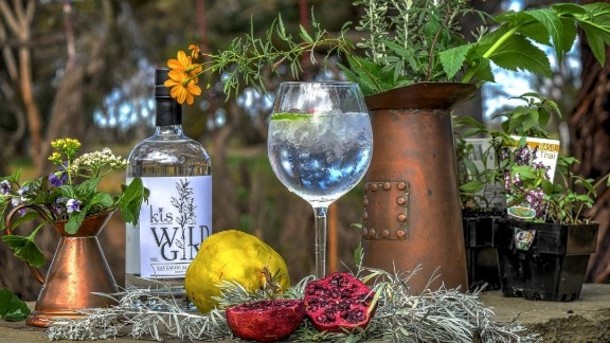
Saffron gin introduced to the UK

Saffron gin introduced to the UK

Pure Spain has expanded its Spanish Spirits range with a Saffron Gin from saffron producer Azafranes Manchegos in Spain.

Already mature market, gin sales in the UK are expected to grow significantly in 2017. Karkom Azafran’s Gin is the first gin that uses the world’s most expensive saffron from La Mancha region with its own Denomination de Origin. It has a manicured golden hue due to the infusion of saffron, which is added at the end of the distillation process to maintain its aroma and colour in the final product.

The gin is distilled three times using seven key botanical and aromatic plants, including; juniper, cardamom, nutmeg, liquorice, smoked thyme, smoked rosemary and, of course, saffron.

Mark Low, co-owner of Pure Spain comments: “Gin growth in the UK continues with 49 new distilleries opened in 2015 and nearly £1bn being spent on this popular tipple. Going forward consumers can expect to savour more interesting aromas and flavours”

“Saffron Gin, is the latest gin we have brought to the UK. It important for us to find new and interesting products that you cannot find in the supermarkets, or high street multiples.”

Pure Spain has emphasised standing out, in a competitive sector where choice is prevalent. The bottle is designed to differentiate itself from other white spirits. The sharp movement of the neck and the top of the bottle reflects the modern era of the gin revolution while the gin itself has a distinctive saffron colouring.

“It was important for the bottle to be transparent. We were bringing a new product to market that would juxtapose the traditional notion of a white spirit. This meant that simplicity of design was paramount when trying to communicate this contradictory message. The bottle design has Italian roots – the key is that it tapers into a twist at the neck. The tapering is minimalist and quite angular – this we felt lends itself to the modernity of the product and our target market.

“The label design had to include saffron imagery. We used the saffron rose to decorate the sides and accentuate the three colours found in the flower: purple petals, red pistils and yellow from the colour of the stamens.”

Karkom Gin Azafran is imported exclusively through Pure Spain.

Why Whisky-Making is a Timeless Art

Why Whisky-Making is a Timeless Art

Food scientists can create a vast array of tastes and smells by combining chemicals. Those nacho-chipotle-wasabi-ranch chips you love? They’re the result of tinkering with molecules and millennial focus groups. Nearly all of the processed foods on the market, even those containing “natural flavors,” are given their kick by science and a healthy dose of market research. In the case of complexity however, technology is still far behind nature.

Case in point: Scotch whisky, lauded for its nuance in nose and palate, much of which scientists and craftsman alike still fail to fully comprehend. The interactions between environmental variables like spring water and climate mingle with human craft in the whisky making process to create tasting experiences that surely blew the minds of the 15th century monks who first dabbled in distillation, and continue to compel enthusiasts from around the world. Simplicity and discipline are at the core of what makes this craft timeless.

History: The Monks were onto something

Not surprisingly, there’s some hazy uncertainty over exactly who presided over the first whisky stills of Scotland, but there’s no doubt it was in a monastery. According to the earliest written record in 1494, King James IV ordered over half a ton of whisky from Lindores Abbey, located due north of Edinburgh. At the time, whisky was capable of inspiring wonder on the palates of kings, but it was still a work in progress. There were bottles of golden sunshine, like those possibly found at Lindores, and there were varieties that at best didn’t cause blindness.

Whisky scholars infer that with the King placing an order with this particular monastery, it’s likely that distillation was widespread by this time among monks. Distilled spirits were used first in religious rituals, which makes sense because monks had the space and time to dedicate resources to fine-tuning the process. However, as the Reformation swept up from England, many monasteries were dissolved. Yet, rather than snuffing out the practice of distillation, it spread and flourished.

Advancements in whisky making have occurred over centuries of trial and error, with distillers passing their knowledge onto the next generation. Though industrial machinery is now used to increase the scale at which batches are made, the process remains one that relies heavily on skill and experience. From the harvesting of the barley to the aging process, there are key moments where whisky makers imbue their own personal and regional touches that result in the distinct expressions found in the bottle.

Whisky makers set themselves apart from one another in the very first stage of the production process. After the barley is steeped in water, it’s laid out on what’s called a malting floor to germinate. Traditionally, and in many contemporary whisky distilleries, the barley is turned at various intervals with shovels or by hand. This process provides an even germination amid the barley.

Once the barley has reached an optimal germination point, and the starch has turned the sugar, it must be dried. At this point, the way in which the barley is dried begins to vastly impact the character of the whisky. For instance, the use of peat smoke when drying barley will contribute to a smoky character while opting out of peat smoke altogether opens up other profiles.

The process remains one that relies heavily on skill and experience.

Next, the dried barley is ground into course flour called grist. It’s heated to extract sugar, yeast is added, and then fermentation occurs. The so-called “wash” is now ready for distillation. Over the centuries the process has been refined for repeat results, but the principles are the same: heat the wash to roughly 178-degrees Fahrenheit, where the alcohol evaporates while the water stays in the still. This is done twice, but rarely three times as the more a wash is distilled, the more it loses its original character. It’s actually the shape of the still where whisky makers leave their mark on taste. Long, narrow stills create more delicate flavors while wider-based stills create bolder profiles.

Whisky making is perhaps at its most active stage when the work is done and the waiting begins. A largely tasteless, clear alcohol going in, it’s here that whisky comes into its own. The process is one of knowledge, skill, and discipline. From the source of the oak wood to the size of the barrel down to the temperature and humidity of the warehouse, every element of the process is integral to the finished product.

It’s the aging process where Scotch whisky gets its distinction. In order to earn the classification, the spirit must age for at least three years and one day. There are a host of other restrictions-including that it must be produced in Scotland-but this is the most essential. Master whisky makers through the ages have understood that time is their most powerful tool in crafting the best product.

If aging is the key component of a whisky’s flavor, then the ingredients are a close second. By law, the only legal additive to whisky is water and plain caramel coloring. In terms of taste, a whisky maker from 1776 and present day are working with the same set of ingredients: the difference is how they prepare and interpret them. Water plays a particularly interesting role.

In Scotland, many of the rainfall basins are composed of impervious rock which results in soft water meaning it’s largely low in minerals. As the water passes through the meadows around the distilleries, it takes on a character unique to the area. Contrary to popular belief, water that flows through peat bogs doesn’t result in a smoky whisky, that’s thanks to the barley drying process mentioned above.

In many areas of the food industry, chemistry is the key indicator of when a product is perfected. Whisky however, is decidedly more esoteric in its pursuit of quality. The determination of a whisky’s flavor is largely up to one person: the blender. This chef de barley of sorts culls from various barrels at different times to determine an expression or-as is often the case in blended whiskies-replicate a flavor profile from year to year. Balancing the age and volume of current whisky stocks with market forces, the position is a blend of the qualitative and quantitative, with the nose and palate serving as the chief guide.

Whisky making has evolved over the last 500 years. Thankfully, makers can meet most demands and the consistency for expressions means an old favorite is always available. Despite these improvements, the field remains a subjective pursuit of passion. In working with natural elements, variables continue to present opportunity and challenges for whisky makers. And in keeping the human touch the final decider of taste, the craft of whisky making retains its timeless character.

MGP acquires George Remus whiskey brand

MGP acquires George Remus whiskey brand

Leading third party spirits producer MGP Ingredients has further extended its line of wholly-owned brands with the acquisition of George Remus whiskey.

MGP, one of the largest third party distillers in the US, purchased the brand from Cincinnati-based Queen City Whiskey for an undisclosed sum.

“While our core business will continue to be supplying other brand owners with premium distilled spirits, development of our own portfolio of brands is an important part of our long-term strategy,” said MGP president and CEO Gus Griffin.

“The George Remus brand is very appealing due to the strength of the brand concept and the outstanding early stage development and marketing work done by the founders. We believe the brand is now at a state of evolution where we can add valuable resources to help it reach its full potential.”

Indiana-based MGP released Indiana straight Bourbon Metze’s Select in July 2015 – marking the company’s first in-house spirit launch in 23 years.

In April this year, the firm launched Till American Wheat Vodka, distilled using Kansas wheat.

The George Remus brand portfolio currently consists of three expressions: George Remus Bourbon Whiskey, George Remus Rye Whiskey and George Remus Limited Edition Rye Whiskey. Each currently is available for retail in the states of Ohio, Kentucky and Indiana.

The brand’s namesake, George Remus, was a bootlegger who owned whiskey distilleries and warehouses in the greater Cincinnati area during Prohibition, including Lawrenceburg, Indiana, where MGP’s premium distillery is based.

“We are very pleased to have a company with the legacy and reputation of MGP assume ownership of the George Remus brand,” said J.B. Kropp, co-founder of Queen City Whiskey.

“Based on the strong consumer interest in both the George Remus story and the whiskey, we believe the brand has tremendous potential. We are very proud of the work my partners and I have done developing and growing the brand to this point, and are excited to partner with MGP to drive its next stage of growth.”

Season for spirits: Made-by-ghosts white whiskey, Tanner’s Curse, from Boone County Distilling Co.

Made-by-ghosts white whiskey, Tanner’s Curse, from Boone County Distilling Co.

Their new white whiskey distilled from bourbon mash, marked Tanner’s Curse, is crafted in “The Bear,” a 500 gallon Vendome copper pot still named after legendary Petersburg distiller William Snyder’s pet bear. (Yes, he had a pet bear.)

Tanner’s Curse celebrates the tragic legend of the Baptist Minister John Tanner and his family.

Tanner settled Tanner’s Station, which later became Petersburg, Kentucky, the home of the original Petersburg Distillery. His story illustrates the everyday dangers of life in this region in the late 1700s.

Unfortunately, this tragedy begins with a simple error in judgment.

Unknowingly, Tanner founded Petersburg smack atop a prehistoric Native American graveyard of the Fort Ancient people. He made a major mistake. A mistake he paid for with lives.

On a chilly October dawn, the white moon hanging in the sky like coyote eyes,legend goes,Tanner’s two eldest sons embarked in canoes on a hunting trip down the Ohio River. They were ambushed by natives at a point in the river called Split Rock and held captive. Knowing his disadvantage, Ezra Tanner made a deal with the Chief to meet him in a tomahawk fight to the death, with the winner to be spared. After an hour, the young Tanner split the Indian’s skull wide open. Contest over. But the Indians reneged on the deal, and immediately attacked Tanner and his companions, killing the boys deader than stones.

These early Americans fought for their place in history, and their influence runs as clear as the whiskey in this newest vessel, Tanner’s Curse. Like the alabaster moon, the embers of their souls live on, well beyond the battle.

In 1785, the Bluegrass could be a wild and bloody place, says the folks at Boone County Distilling Company. The landscape was raw, the living thin, and conflict was inevitable.

These early Americans fought for their place in history, and their influence runs as clear as the whiskey in this vessel. Like the alabaster moon the embers of their souls live on, well beyond the battle.

Back in the late 1800s, when Boone County was booming with distillers, blacksmiths, lumbermen and farmers, it took teamwork to meet the needs of the growing community.

Men, women and children worked together to accomplish a long day’s work, with immense satisfaction found in the accomplishments. That’s how communities are built.

Lewis Loder’s tavern was such a place. Loder, a bookkeeper, ran the White Hall Tavern at Tanner and Front Streets in Petersburg. He proudly built his community one glass at a time. One of his favorite treats was serving shots of bourbon over rich ice cream, and as the sun set on the Ohio River his hard-working patrons enjoyed a sweet reward for their honest day’s work.

The Distillery recaptures that history with its Bourbon Cream blended with signature Boone County’s Eighteen 33 and rich, alabaster cream. Pour it over ice, ice cream, or in your coffee. Pour it and remember.

Reminiscent of the days when bourbon was celebrated as the life-blood of the region, the Boone County Distillery is 5,000 square feet set on 2.5 acres. It includes a 500-gallon pot still, four fermenters and a small bottling line with a capacity of hundreds of barrels of small batch bourbon a year

Co-owner Jack Wells began developing the distillery four years ago and production started in October 2015, marking the first legal distillation in Boone County in more than a century.

The distillery joined the Kentucky Distillers’ Assocation in December 2015.

Barrels are stored on site, in a 3,000-square-foot warehouse behind the distillery.

In every detail of the operation, the distillery “respects our history while investing in our future. Our tag line, “Made by Ghosts,” harkens to the early pioneers who crafted spirits in Boone County more than 100 years ago.”

The facility is open to the public Wednesday to Sunday with tours offered daily.

Purchase these historically-relevant “Made by Ghosts” spirits at the distillery and tasting room/gift shop at 10601 Toebben Drive in Boone County, about a mile off I-75.

Visit website for hours of operation and tour times.

The ghosts await.

Staff report