What Is a Farmhouse Ale? Saison, Bière de Garde & Beyond
CrushBrew Editorial · Beer Styles · 7 min read
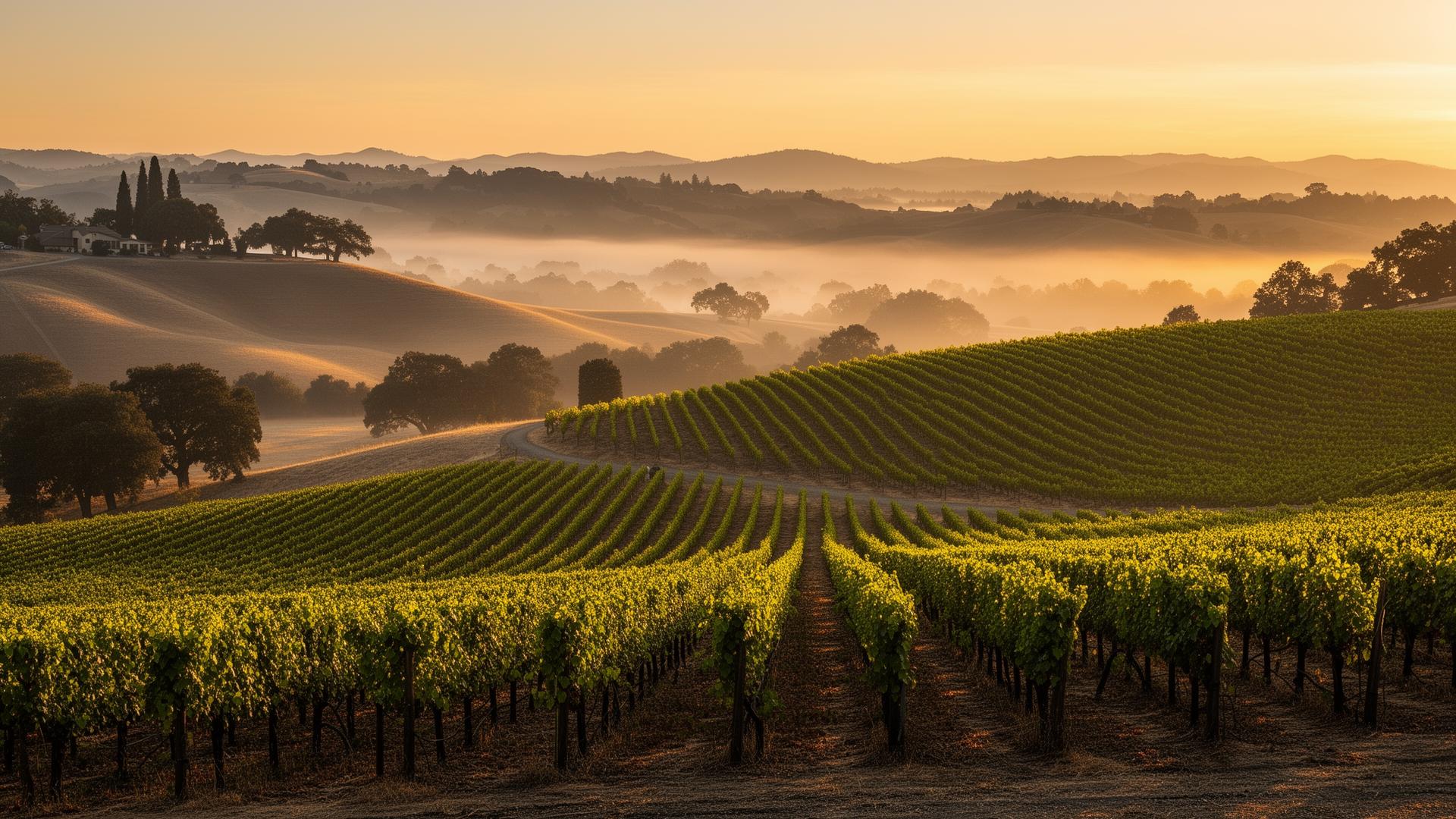
Most beer styles are defined by ingredients or process. Farmhouse ale is defined by a mood — and a place. It’s the closest thing in the beer world to terroir, the idea borrowed from wine that a beverage can carry the unmistakable fingerprint of the land, climate, and tradition it came from. Saison, bière de garde, sahti, gueuze: different names, different countries, the same underlying instinct to make something tart, dry, and a little wild, using whatever the farm had on hand.
In This Article
- What is a farmhouse ale?
- Where did farmhouse ales come from?
- What is the difference between saison and bière de garde?
- How did farmhouse ale almost disappear?
- How did American craft brewers reinvent the style?
- Which farmhouse ales should you try?
- Frequently asked questions
- Farmhouse ale family — quick reference
What Is a Farmhouse Ale?
Farmhouse ale isn’t a precise recipe — it’s a category that groups together a family of rustic, agricultural beer styles unified more by shared history and character than by strict technical rules. Saison, bière de garde, sahti, gueuze, and grisette all fall under the farmhouse ale umbrella, and brewers and beer writers don’t fully agree on exactly where the boundaries lie. The Beer Judge Certification Program (BJCP) even notes that “farmhouse ale” is largely an American term — in Europe, these beers are typically just considered part of a broader category of artisanal regional ales, without the unifying “farmhouse” label Americans have applied to them.
Definition
Farmhouse Ale
An umbrella term for a family of rustic beer styles originating on rural farmsteads in Belgium, northern France, and parts of Scandinavia, traditionally brewed using local, on-hand grains for farm household consumption and seasonal agricultural workers. Member styles include saison (Belgium), bière de garde (France), sahti (Finland), grisette, and gueuze. Despite considerable variation, the family shares common stylistic threads: a pale to amber color, high carbonation, pronounced dryness, and complex character driven heavily by fermentation — fruity esters, spicy phenols, and earthy or “funky” notes, frequently with some degree of tartness. Alcohol content typically ranges from 4.5% to 8.5% ABV in modern commercial versions, though historical examples were often considerably lower, in the 2–4% range, to keep field laborers refreshed without impairing their work.
Ask a Belgian brewer to define the style precisely and you’ll likely get a description closer to a philosophy than a spec sheet. When Phil Markowski, brewmaster at Southampton Publick House and author of the foundational book Farmhouse Ales, pressed Belgian brewers for a definition, the consensus he found was something dry, but not too dry, brewed for the season, and meant to feel special. That open-endedness isn’t a failure of definition — it’s the actual point of the category. Farmhouse ale was never standardized because it was never meant to be: every farm brewed with whatever grain hadn’t made it to market, whatever wild yeast happened to be in the air, and whatever local herbs or fruit were on hand.
Where Did Farmhouse Ales Come From?
The practical logic behind farmhouse ale is rooted entirely in pre-refrigeration agriculture. Before mechanical cooling existed, brewing in warm weather was a genuine gamble — heat invited spoilage and unpredictable, often unpleasant fermentation. Farms across Belgium’s Wallonia region and northern France’s Nord-Pas-de-Calais and Hainaut areas solved this by brewing during the cold months, when temperatures naturally kept fermentation under control, then storing the finished beer through spring and into the demanding labor of summer harvest.
The beer wasn’t made from premium ingredients sought out for the purpose — it was made from whatever the farm already had: leftover barley malted on-site, wheat, oats, spelt, or buckwheat that hadn’t sold the previous year, plus whatever herbs, spices, or foraged botanicals were locally available before hops became the dominant bittering and preservative agent. The beer was given to seasonal agricultural workers — “saisonniers” in French — to keep them refreshed and hydrated through punishing summer field work, in an era when water was frequently unsafe to drink and beer, lower in alcohol and boiled during production, was genuinely safer.
Historical Note
The History Is More Contested Than the Marketing Suggests
It’s worth knowing that the tidy “farmers brewing their own beer for their own workers” origin story, while broadly true of the regional tradition, is more specifically tied to Brasserie Dupont’s own history than to documented evidence of widespread on-farm home brewing across Belgium. Beer historians researching the topic have found that the modern “saison is farmhouse beer” narrative really crystallized in the 1980s around Dupont specifically — among the last breweries still producing the style commercially at the time — and was then generalized to represent the whole category’s history, even though solid documentation of farmers brewing their own beer from their own grain is genuinely scarce. The broader pattern of brewing strong beer in cooler months to store through the agricultural season, however, is extremely well documented across farmhouse brewing regions generally, including Denmark, where a similar practice of brewing in February through April for summer storage was common. The exact details are debated among beer historians; the agricultural logic behind the practice is not.
What Is the Difference Between Saison and Bière de Garde?
Saison and bière de garde share the same agricultural DNA — both trace back to farmhouse brewing in the border region spanning Belgium and northern France, and both were historically brewed strong enough, or hopped enough, to survive months of storage. But war, shifting borders, and divergent regional traditions split the territory and pulled the two styles in different directions over time.
Saison — French for “season” — became the Belgian standard-bearer: hoppy, crisp, notably tart, and built to be sessionable rather than sipped slowly. Bière de garde — “beer for keeping” — developed as the French interpretation, generally less aggressively hopped, maltier, earthier, and carrying a subtle sweetness that saison typically lacks. The name itself describes the original practical purpose: a beer brewed strong enough in cooler months to be kept and consumed through the warmer ones, before refrigeration made that unnecessary.
Bière de garde owes much of its modern identity to a single brewery’s reinvention. Historical versions were typically served as low-alcohol draught beer, around 3–4% ABV — strong enough to keep, but modest enough not to incapacitate field workers. Brasserie Duyck transformed the category in the mid-20th century by roughly doubling the alcohol content into the 6–8% range familiar today and packaging the beer in cork-finished, Champagne-style bottles — a presentation choice that allowed year-round consumption and consumer appeal well beyond farm country. Duyck’s Jenlain remains the style’s most widely acknowledged archetypal example.
How Did Farmhouse Ale Almost Disappear?
As farming life modernized and industrialized, the cultural and economic conditions that produced farmhouse ale faded with it. The rise of macro-brewed pale lager, combined with the disruption of two World Wars across the exact region where farmhouse brewing was concentrated, devastated the small country breweries that had kept the tradition alive. By the mid-20th century, the style had nearly vanished, surviving in only a small handful of breweries still willing to produce it commercially.
Brasserie Dupont — founded as a farm in 1759 and converted into a brewery in 1844 — was one of the very few holdouts. Saison Dupont represented only a tiny fraction of the brewery’s overall production at the time; the company reportedly even considered discontinuing it altogether in favor of its more commercially successful Moinette Blond. The beer survived largely because of outside intervention: American importer Don Feinberg, urged by influential beer writer Michael Jackson, visited Brasserie Dupont in the 1980s and brought the beer to the United States. Saison Dupont is widely considered the first commercial example of saison many American drinkers ever tasted — and it became, almost by accident of timing and advocacy, the reference standard the entire modern style is measured against.
How Did American Craft Brewers Reinvent the Style?
Once Saison Dupont established a beachhead in the American market, craft brewers didn’t just imitate the style — they extended it. Jolly Pumpkin Artisan Ales, founded in 2004 by Ron Jeffries in Dexter, Michigan, became one of the earliest and most influential American interpreters, emphasizing wood-aged farmhouse beers fermented with wild yeast and Brettanomyces strains, pushing the style toward funkier, more unpredictable territory than its Belgian inspiration typically explored. Funkwerks, founded in Fort Collins, Colorado in 2010, built an entire brewery identity around saisons and farmhouse ales using proprietary house yeast blends.
American brewers have generally embraced the farmhouse philosophy rather than treating it as a fixed recipe to copy — leaning into wild fermentation, mixed yeast and bacteria cultures, barrel aging, and hyper-local, sometimes literally on-site, ingredient sourcing. Oxbow Brewing Company in Maine, working from what its head brewer describes as an old barn at the end of a dirt road with well water and no municipal sewer system, has built its identity directly around that rural constraint — treating limitation as inspiration rather than obstacle, much the way the original farmhouse brewers did out of necessity rather than choice. The trend has continued into recent years, with American producers increasingly partnering directly with local organic farms for grain sourcing, an explicit modern echo of the style’s original on-farm logic.
Which Farmhouse Ales Should You Try?
Frequently Asked Questions About Farmhouse Ales
🌾 The Farmhouse Ale Family — Quick Reference
Key styles within the farmhouse ale umbrella
| Style | Origin | Character | Reference Example |
|---|---|---|---|
| Saison | Wallonia, Belgium | Crisp, dry, tart, hop-forward, sessionable | Saison Dupont |
| Bière de Garde | Nord-Pas-de-Calais, France | Malty, earthy, subtly sweet, gently bitter | Jenlain (Brasserie Duyck) |
| Grisette | Wallonia, Belgium | Lighter, lower-ABV cousin of saison; historically for miners | Varies by producer |
| Gueuze | Pajottenland, Belgium | Sour, blended lambic; spontaneous wild fermentation | Cantillon, 3 Fonteinen |
| Sahti | Finland | Juniper-infused, unfiltered, banana/clove notes | Traditional Finnish farmhouse producers |