Page Springs Cellars: The Arizona Winery Built by an Ecologist Who Found His Medium
Eric Glomski did not set out to become a winemaker. He set out to become an ecologist. He graduated from Prescott College with a degree in riparian ecology and spent years inventorying perennial streams in the Prescott National Forest, studying the relationship between plants, soil, and geology in the high desert of northern Arizona. One day, in the middle of that work, he found some wild apples and made wine from them. “It reminded me of that place,” he has said, “and I said, ‘Whoa — wine is sort of an artistic expression of landscape where I’ve been looking at this all scientifically my whole life.'” He planted his first vines along Oak Creek in Cornville in 2004, twenty minutes south of Sedona in the Verde Valley. Page Springs Cellars now produces 65 different wine labels annually from four estate vineyards, ages its reds on Arizona White Oak staves, runs a tasting room and bistro open 365 days a year, and is one of the most significant reasons that Arizona wine is no longer a punchline.
In This Profile
Eric Glomski — The Ecologist Who Found His Medium
Eric Glomski’s path to winemaking ran through the streams and soils of the Prescott National Forest. His degree from Prescott College was in riparian ecology — the study of the relationship between waterways and their surrounding landscapes. He spent years in the field, inventorying perennial streams, understanding how volcanic geology, elevation, water flow, and plant communities interact to create specific ecosystems. When he stumbled on wild apples in the forest and made wine from them, the connection was immediate. “Wine is sort of an artistic expression of landscape,” he has said, “where I’ve been looking at this all scientifically my whole life.”
He is not only the founder and director of winegrowing at Page Springs Cellars but a significant figure in the broader Arizona wine industry. He is a partner in Arizona Stronghold Vineyards alongside Maynard James Keenan — lead singer of the alternative rock band Tool and a serious Arizona wine advocate — and the winemaker for Keenan’s Caduceus label. He has made wine for the Pillsbury Wine Company, headed by filmmaker Sam Pillsbury. His is one of the most connected and influential careers in the Arizona wine scene, all rooted in a scientific curiosity about what this specific landscape can produce.
Blood Into Wine — The Arizona Wine Documentary
In 2010, directors Ryan Page and Christopher Pomerenke released Blood Into Wine, a documentary about the Arizona wine scene centered on Eric Glomski and Maynard James Keenan and their work at Arizona Stronghold Vineyards. The film brought national attention to the Verde Valley wine region and to the serious ambitions of the Arizona wine community at a moment when most American wine drinkers had never considered that the state made wine worth drinking. It remains the best introduction to Arizona wine for anyone who wants to understand both the people and the landscape behind the bottles.
The Verde Valley — Arizona’s Most Compelling Wine Terroir
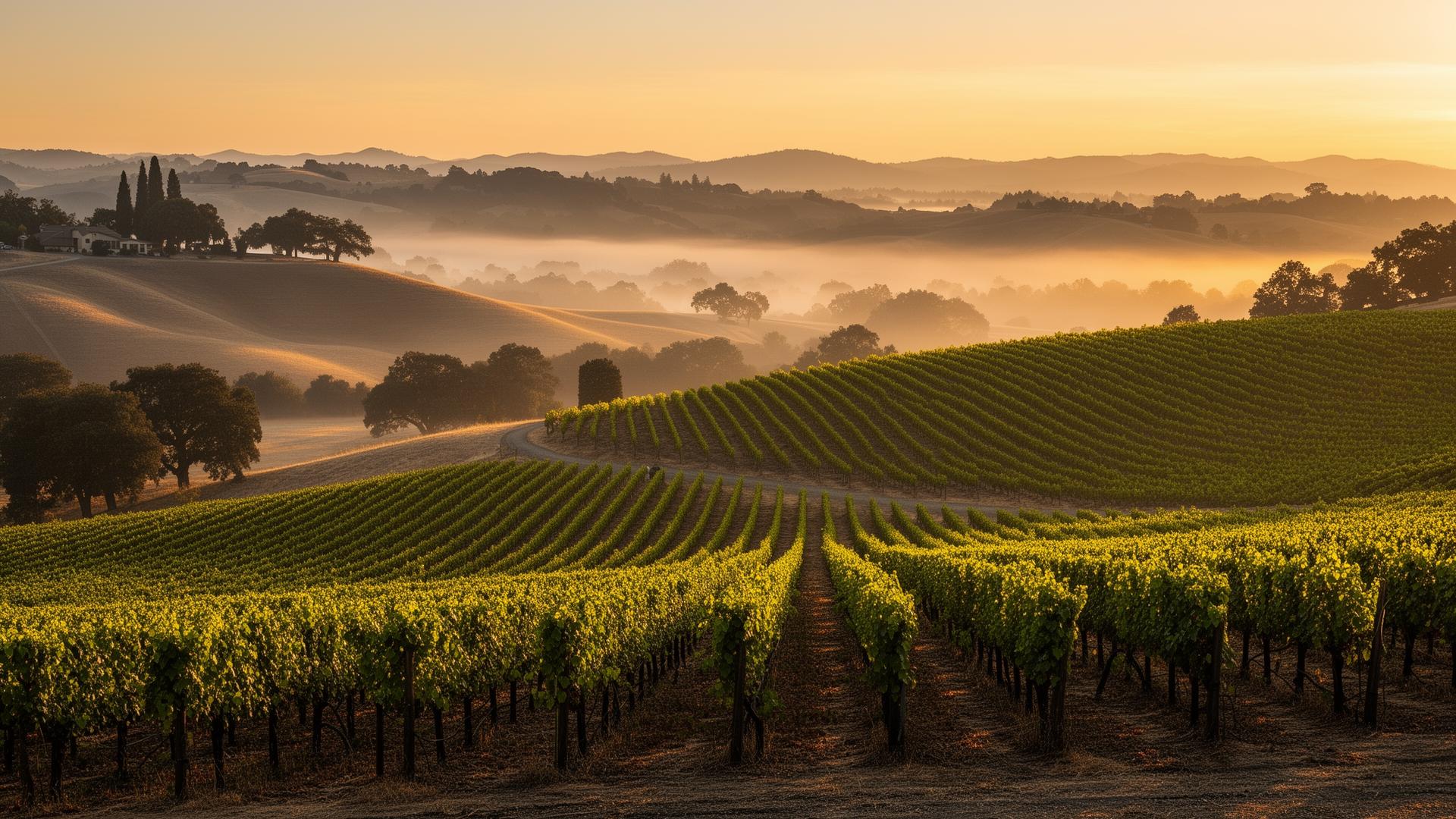
The Verde Valley AVA sits at elevations between 3,000 and 5,000 feet in northern Arizona, where the high desert’s temperature extremes — warm days and dramatically cool nights — create the diurnal variation that preserves acidity in grapes and allows slow, even ripening of the same Rhone varieties that thrive in Chateauneuf-du-Pape. The volcanic basalt and limestone soils that underlie the valley are mineral-rich and well-draining, producing grapes of concentrated flavor. Oak Creek, which runs through the valley and alongside the Page Springs estate, provides the riparian corridor and the wildlife habitat that Glomski’s ecological background makes him determined to protect.
Page Springs Home vineyard was the first estate planting, established in 2004 on the volcanic soils overlooking Oak Creek Canyon at approximately 3,400 to 3,650 feet elevation. The view from the winery — red rock formations to the north, the creek below, the vines on the slope — is one of the more dramatic vineyard settings in the American Southwest. It is not Napa. It is not the Loire. It is specifically, irreducibly Arizona, which is exactly the point.
The Four Estate Vineyards
The Wines — Rhone Style, Arizona Character
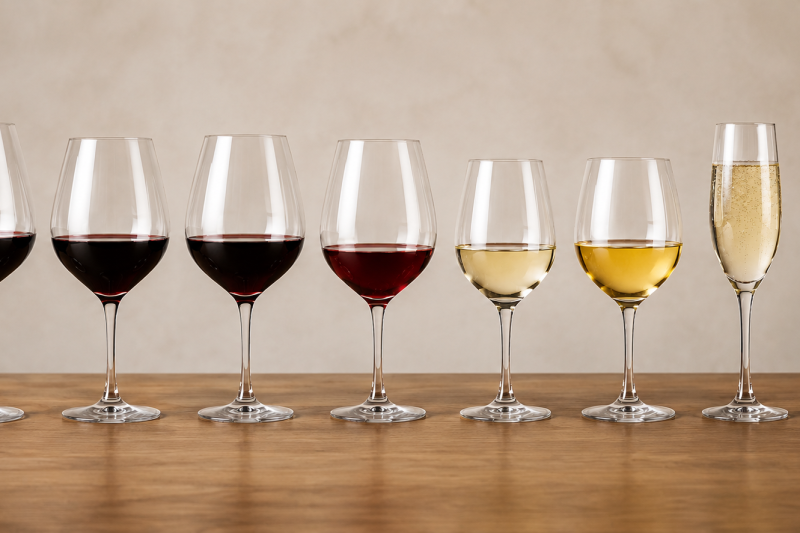
Page Springs produces primarily Rhone-style wines — Syrah, Petite Sirah, Grenache, and Mourvedre among the reds; Viognier, Roussanne, and Grenache Blanc among the whites — with the volcanic soils and high-desert elevation adding a mineral precision and aromatic intensity that distinguishes them from California or Washington expressions of the same varieties. The bistro menu features locally sourced ingredients, and the gourmet tasting experience pairs the wines with food in the way that the Arizona landscape and cuisine naturally suggest.
The range has expanded significantly since the winery’s early years. Beyond the 65 still wine labels, Page Springs now produces brandy and piquette — the light, low-alcohol wine made from grape pomace that has become a natural wine movement favorite and a showcase for the winery’s willingness to make something from every part of the harvest. Small-lot, vineyard-designate releases give serious wine drinkers the chance to taste individual site expression across the four estate vineyards side by side.
The Vino de la Familia red and Vino de la Familia Blanca remain among the most popular introductory wines for new visitors — approachable, food-friendly, and representative of the winery’s house style. But it is the vineyard-designate Syrahs and the House Mountain Petite Sirah that show what Page Springs is genuinely capable of when the estate fruit is given full expression.
Solar, Arizona White Oak Staves, and Sustainable Farming
Page Springs was the first winery in Arizona to use solar power in the winemaking process — an obvious choice given the 300+ days of sunshine the Verde Valley receives annually, and a philosophical one given Glomski’s ecological background. The solar installation now supplies up to 86% of the winery’s power. Wastewater is recycled for irrigation; organic waste is composted. The sustainably certified winery treats the Oak Creek corridor as a resource to protect rather than a backdrop to exploit.
The Arizona White Oak stave program is the most distinctive production detail in the range. Rather than aging all wines in French or American oak — cooperages that import their character from other places — Glomski incorporates staves from Arizona White Oak, a native species with its own flavor contribution that adds something specific to this landscape. It is the winemaking equivalent of the wild apple wine that started his career: using what the place actually provides rather than what convention recommends.
Visiting Page Springs Cellars
Page Springs Cellars is open 365 days a year — a genuine rarity among estate wineries — making it a reliable destination regardless of when a Sedona visit falls. The tasting room and bistro are on the estate overlooking Oak Creek, with the trellised path through the vines and the picnic deck providing the kind of setting that makes a half-day visit feel earned. Weekend musicians and artists add to the atmosphere; yoga and massage are available for visitors who want the full Sedona-adjacent experience alongside their Syrah.
Visit Page Springs Cellars
Address: 1500 N. Page Springs Road, Cornville, AZ 86325
Phone: (928) 639-3004
Hours: Open 365 days a year; check pagespringscellars.com for current tasting room and bistro hours
Web: pagespringscellars.com
Location: 20 minutes south of Sedona in the Verde Valley AVA; approximately 90 minutes north of Phoenix
Start with the vineyard-designate Syrah flight to understand what the four estate sites taste like side by side. Ask about the Dos Padres vines across the creek — you can see them from the tasting room. Take the Arizona White Oak-aged wines home. And if the documentary Blood Into Wine is new to you, watch it before or after the visit — it will change how you understand what Eric Glomski is doing here.